Hey, just so you know, some of the links on this site are affiliate links. That means I may earn a small commission if you buy something through them. It doesn’t cost you anything extra, and it helps me keep this site running. Thanks for your support!
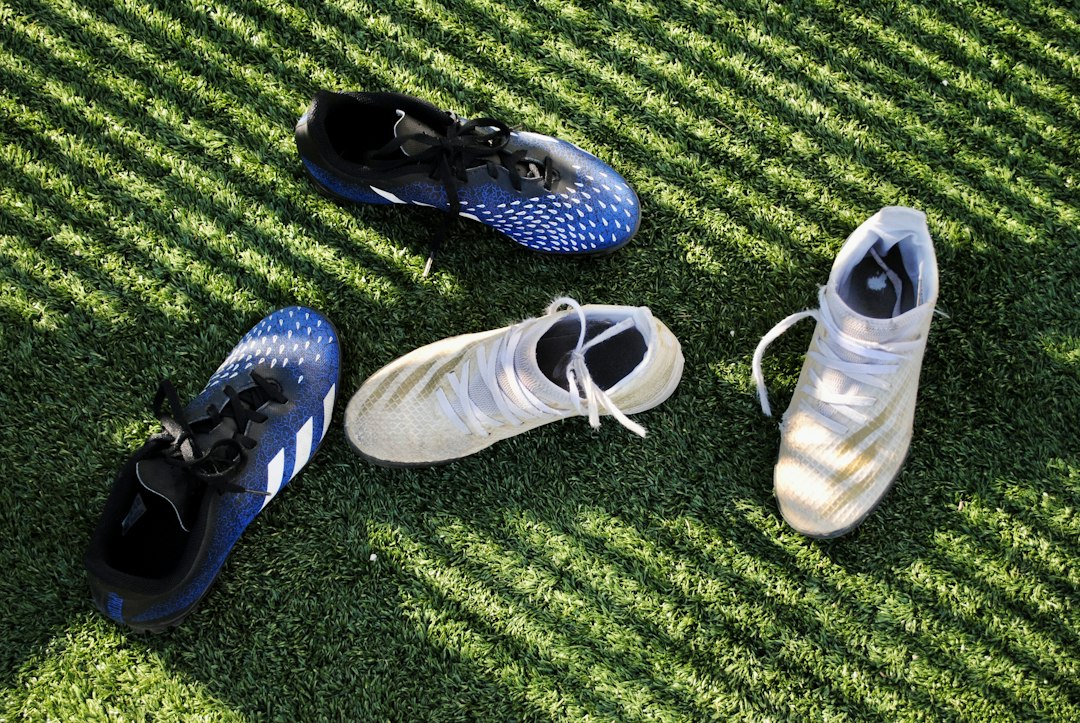
The first question when choosing sports footwear is not “Which shoe is fastest?” It is “What surface am I playing on?” A sole designed to bite natural grass behaves differently on modern artificial grass, short turf, hardwood or concrete.
This guide uses soccer and football cleats as clear examples, but the decision framework applies across field and court sports: surface → traction → fit → movement pattern → rules → comfort.
Surface determines the outsole
adidas currently separates soccer footwear into Firm Ground (FG), Artificial Grass (AG), Multi Ground (MG), Turf and Indoor categories. Nike likewise tells players to choose the sole plate around the field or court.
| Surface | Typical footwear direction | Main goal |
|---|---|---|
| Natural grass | Firm-ground cleats; soft-ground when conditions and rules allow | Stud penetration and stability |
| Modern artificial grass | AG or manufacturer-approved multi-ground | Traction with cleaner release on firmer synthetic surface |
| Short artificial turf | Turf shoes with many small rubber nubs | Grip without long studs digging too deeply |
| Indoor court | Flat non-marking rubber outsole | Surface grip and multidirectional movement |
| Concrete/street | Durable flat/rubber outsole built for hard surface | Abrasion resistance and controlled grip |
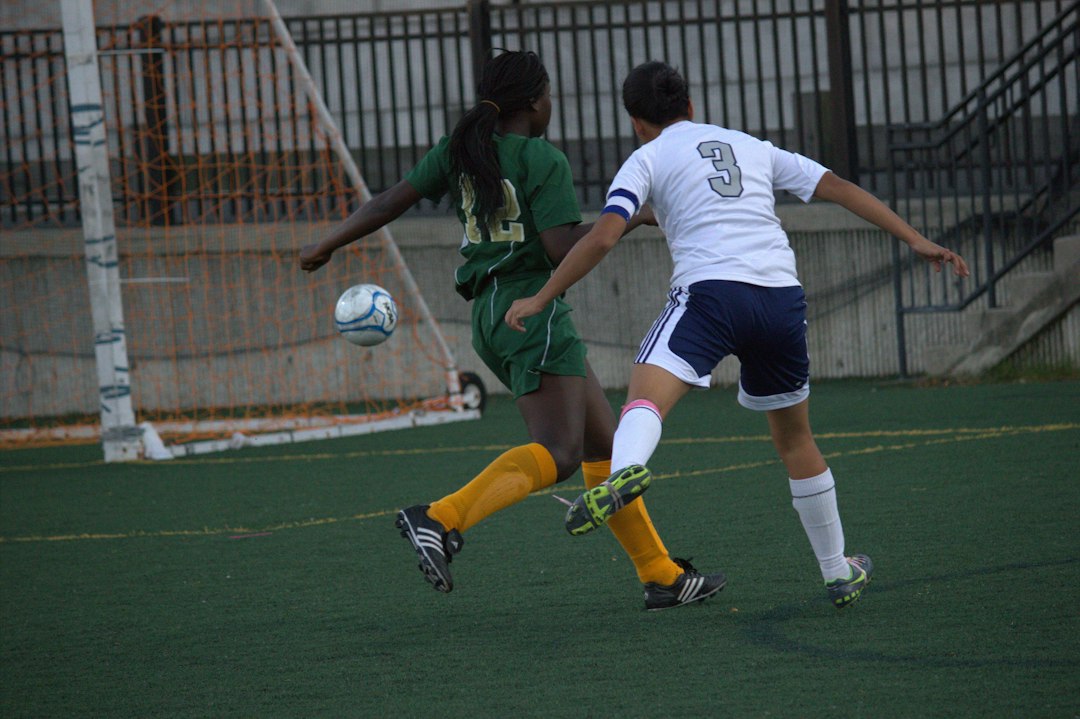
Why the wrong studs can create problems
Long studs need a surface they can penetrate and release from. adidas warns that firm-ground studs can bite too deeply into shallower artificial surfaces, while turf shoes use smaller rubber nubs designed to grip rather than penetrate.
That does not mean one label is universally right for every artificial field. Synthetic systems vary. Follow the shoe maker’s surface designation and the facility or league rules.
Fit should be secure, not painful
A performance shoe should keep the foot from sliding excessively inside the upper while still allowing natural toe position. Heel movement, pressure points and toes jammed into the front are signals to revisit size or model.
Brand lasts differ. A size that works in one model may not feel identical in another, especially across wide and narrow feet.
Position matters—but after surface and fit
Marketing often organizes cleats around speed, control, power or specific positions. Those differences can matter, especially in football where linemen, skill players and hybrid defenders create different support and mobility demands.
adidas’ current football-cleat guide tells players to consider position, playing surface, collar height and overall fit. That is a better order of operations than choosing a shoe because a star athlete wears it.
Traction is not the same thing as “maximum grip”
Good traction also needs release. A shoe that locks into the surface more aggressively is not automatically safer or faster. Athletes cut, rotate and decelerate, so the outsole must work with the surface rather than simply bite as hard as possible.
Do you need different shoes for practice and games?
If the playing surfaces differ, maybe. A player who practices on short turf and competes on natural grass may benefit from separate outsole types. If the surfaces are the same, one well-fitting pair may be enough until wear reduces traction or support.
Check sport and league restrictions
Metal studs, detachable cleats, colors or other footwear features can be restricted by age group, venue or competition. Manufacturer guidance tells you what a shoe was designed for; your league tells you what is legal.
Replace footwear when function changes
Do not use appearance alone. Look for worn or missing studs, compressed cushioning, damaged upper material, sole separation and a fit that no longer holds the foot securely.
A five-minute footwear checklist
- Identify the exact surface you use most.
- Choose an outsole explicitly designed or approved for it.
- Try the shoe with the socks/orthotics you actually wear.
- Test stop-start movement and direction changes without pressure points.
- Confirm league and facility rules before competition.
Bottom line
Sports footwear starts at the ground. Match the outsole to the surface, then solve fit and movement needs. Position-specific features are useful only after those fundamentals are correct.
See more equipment guides in Gear & Collectibles.
Sources
Footwear guidance verified September 29, 2026. This is equipment guidance, not medical advice.