
Hey, just so you know, some of the links on this site are affiliate links. That means I may earn a small commission if you buy something through them. It doesn’t cost you anything extra, and it helps me keep this site running. Thanks for your support!
IndyCar and Formula 1 look similar at first glance because both use single-seat, open-wheel race cars. But the championships are built around different technical philosophies, race venues and competition structures.
The biggest difference: common chassis versus constructor development
Current IndyCar competition is built around a common Dallara-based chassis platform, with Chevrolet and Honda supplying engines. That shared base helps keep the field comparatively close and puts a heavy premium on setup, engineering execution, strategy and driver performance.
Formula 1 teams operate as constructors. Each team designs and develops its own car within FIA technical regulations, creating much larger differences in aerodynamic philosophy and development direction across the grid.
What engine does IndyCar use in 2026?
INDYCAR’s current technical guide lists a 2.2-liter twin-turbocharged V6 with hybrid technology. Estimated combustion-engine output is roughly 650 to 700 horsepower depending on boost pressure, with up to 150 additional horsepower available from the hybrid unit. Chevrolet and Honda are the current manufacturers.
What changed in Formula 1 for 2026?
Formula 1 entered a new technical era in 2026. The regulations introduced smaller and lighter cars, active aerodynamics and a major increase in the electrical contribution of the hybrid power unit. Formula 1’s official technical summary says the battery element rose from 120 kW to 350 kW, while the internal-combustion portion was reduced from the prior generation.
IndyCar races on more types of circuits
One of IndyCar’s defining traits is circuit variety. The series competes on permanent road courses, temporary street circuits, short ovals and superspeedways. That means teams and drivers must adapt the same basic car platform to radically different forms of racing.
Formula 1 races on permanent road circuits and temporary street circuits but does not currently race on oval tracks. Its cars are optimized around the braking, cornering, aerodynamic and energy-management demands of Grand Prix racing.
Why the Indianapolis 500 makes IndyCar different
The Indianapolis 500 is a 500-mile oval race and one of the defining events in world motorsport. Its high-speed drafting, qualifying format, traffic management and pit strategy create a challenge that has no direct equivalent on the modern Formula 1 calendar.
Are IndyCars slower than F1 cars?
There is no single meaningful answer because performance depends on the circuit. Formula 1 cars generally generate more sophisticated aerodynamic performance and are designed for exceptional cornering speed. IndyCars can reach extremely high speeds on superspeedways, where low-drag setups and sustained full-throttle running create a very different performance envelope. Comparing one headline top-speed number does not tell the full story.
How racing style differs
Because IndyCar uses a more standardized equipment base, fields can be tightly compressed and strategic variation can play a large role. Formula 1’s constructor model creates a bigger engineering-development contest across a season, where car upgrades can significantly change competitive order.
What about the announced 2028 IndyCar?
INDYCAR has already introduced plans for its next-generation IR-28 platform for 2028, including a 2.4-liter twin-turbo V6 and a new battery-based hybrid system. Those are future specifications, not the 2026 rules. This comparison therefore uses the current 2026 IndyCar package and keeps the IR-28 separate to avoid mixing generations.
Which series is better?
That depends on what a fan values. Formula 1 emphasizes constructor innovation, global Grand Prix venues and continuous technical development. IndyCar emphasizes close competition across an unusually broad mix of circuit types, including the Indianapolis 500 and other oval races. Both reward elite driving, but they test drivers and teams in different ways.
SportsyVibe takeaway
Think of Formula 1 as a constructor championship as much as a driver championship, with teams designing distinct cars under one ruleset. Think of IndyCar as a more standardized technical platform used across road courses, streets and ovals. The cars may share the open-wheel silhouette, but the competitive ecosystems are fundamentally different.
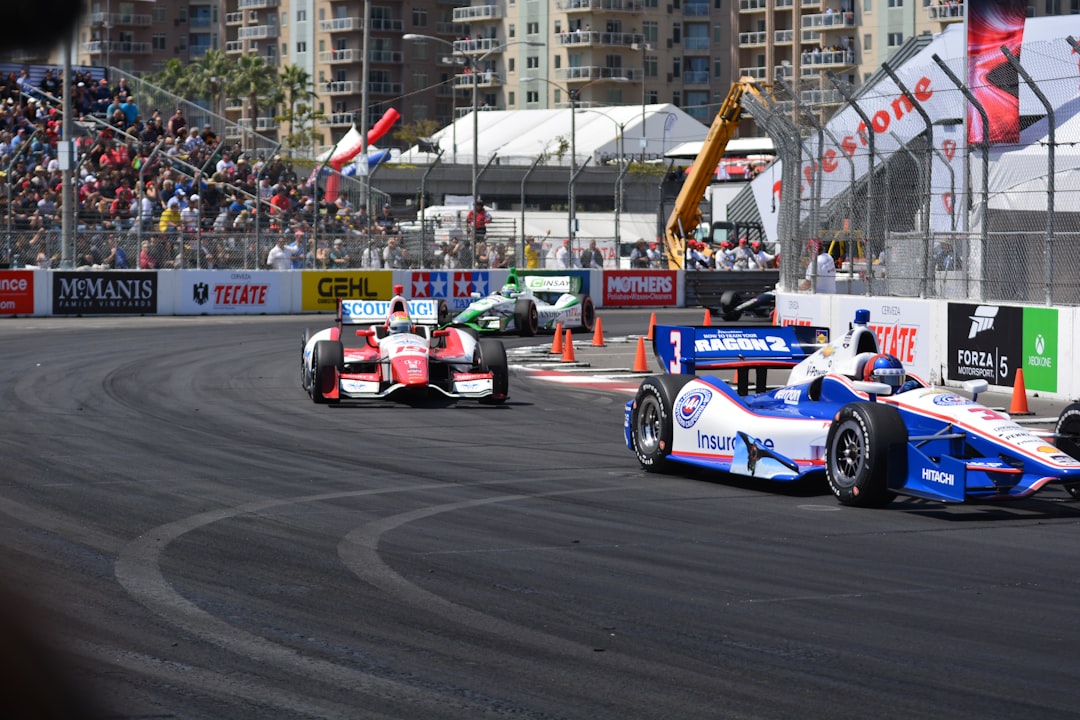
Featured image: generic open-wheel street-racing imagery via Unsplash; it is not presented as a specific IndyCar or Formula 1 race.