
Hey, just so you know, some of the links on this site are affiliate links. That means I may earn a small commission if you buy something through them. It doesn’t cost you anything extra, and it helps me keep this site running. Thanks for your support!
The best NBA arena is not automatically the newest building or the one with the largest scoreboard. Basketball is unusually sensitive to intimacy: the relationship between the court, lower bowl, upper deck and crowd can make a 48-minute game feel either electric or strangely distant.
SportsyVibe ranked these arenas using five factors: basketball history and identity, crowd atmosphere, sightlines and intimacy, amenities and technology, and the overall game-day experience around the building. This is a fan-experience ranking, not a simple capacity list.
| Rank | Arena | Team | Why it stands out |
|---|---|---|---|
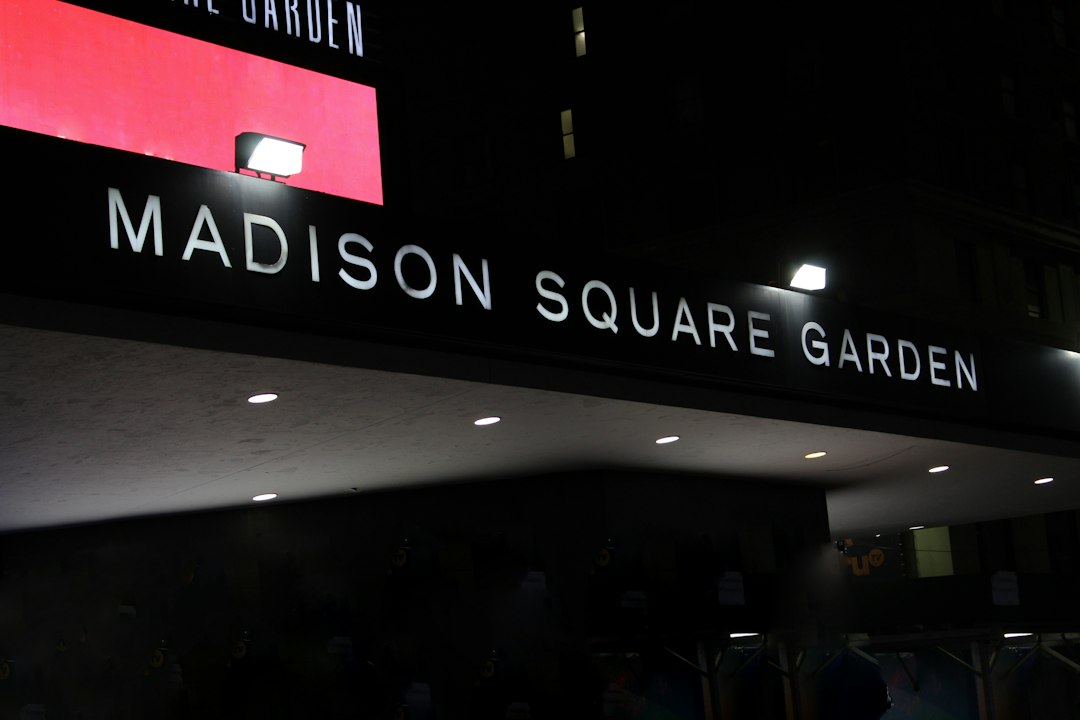
| 1 | Madison Square Garden | New York Knicks | History, Midtown location and big-game theater |
| 2 | TD Garden | Boston Celtics | Championship identity and intense playoff crowd |
| 3 | Crypto.com Arena | Los Angeles Lakers | Star power, banners and decades of Lakers history |
| 4 | Intuit Dome | LA Clippers | Basketball-first technology, The Wall and Halo Board |
| 5 | Chase Center | Golden State Warriors | Modern premium arena in San Francisco’s Mission Bay |
| 6 | Gainbridge Fieldhouse | Indiana Pacers | Indiana basketball character and renovated fan spaces |
| 7 | Fiserv Forum | Milwaukee Bucks | Strong acoustics, Deer District and modern lower bowl |
| 8 | Golden 1 Center | Sacramento Kings | Downtown setting, strong technology and loyal crowd |
| 9 | Paycom Center | Oklahoma City Thunder | “Loud City” energy and compact NBA atmosphere |
| 10 | Delta Center | Utah Jazz | Long-running Jazz home now undergoing major transformation |
1. Madison Square Garden — New York Knicks
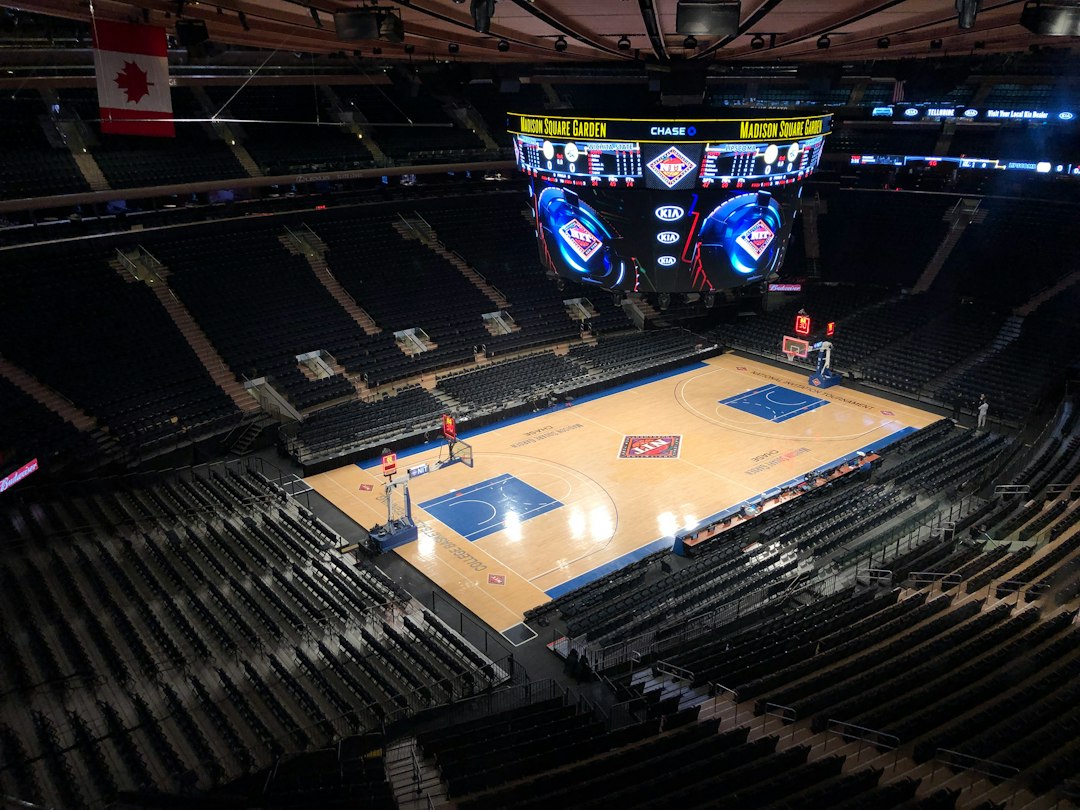
Madison Square Garden earns the top spot because an NBA game there carries a sense of occasion that is difficult to manufacture. The building sits directly above Penn Station in Midtown Manhattan, and the Knicks have played in the current Garden since 1968. That continuity gives the arena layers of basketball memory: championship teams, playoff rivalries, famous individual performances and decades of visiting stars treating New York as a measuring-stick stage.
The arena has been extensively renovated without losing its identity. The Chase Bridges added an unusual viewing angle high above the floor, premium spaces were modernized and concourses were rebuilt, but the ceiling, seating bowl and central location still feel unmistakably like the Garden. The Knicks do not need the newest arena to create a premium event. When the team is competitive and the building is loud, MSG still feels like basketball theater in the middle of the city.
2. TD Garden — Boston Celtics
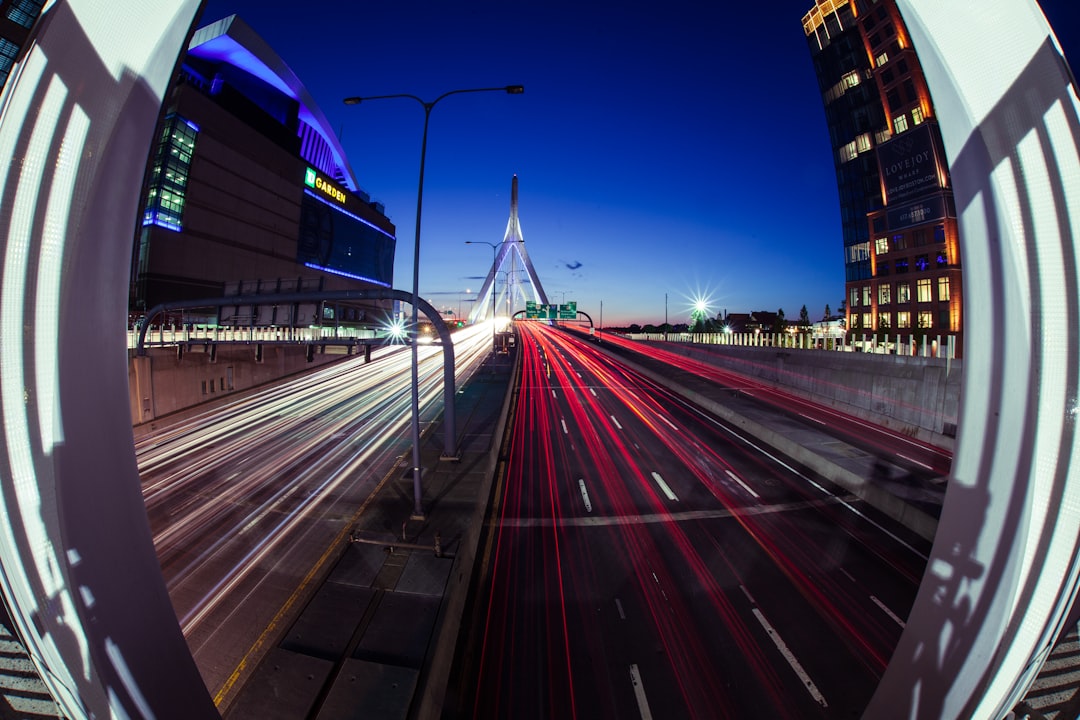
TD Garden does not have the visual glamour of a brand-new arena, but it has something more valuable to basketball fans: an unmistakable competitive identity. The Celtics’ banners, parquet imagery and championship history turn a normal regular-season game into a reminder that the franchise measures itself against one of the highest standards in the sport.
Recent renovations expanded concourses, clubs, food options and technology while preserving the arena’s compact feel. When Boston enters a playoff series, the Garden’s acoustics and crowd proximity become part of the home-court advantage. The building also shares duties with the NHL’s Bruins, which adds another layer of big-event experience. For a fan who values basketball history and crowd intensity more than luxury-showroom aesthetics, TD Garden is one of the most rewarding stops in the league.
3. Crypto.com Arena — Los Angeles Lakers
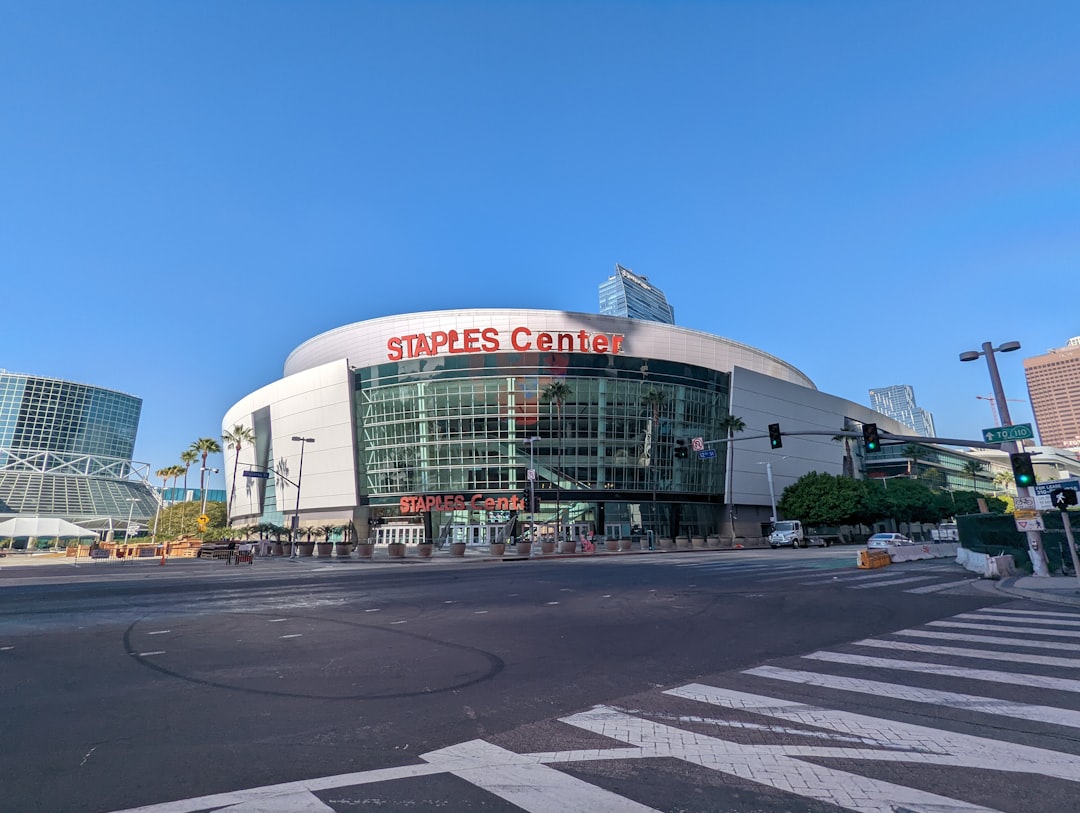
The Lakers transformed this downtown arena into one of the most recognizable basketball stages in the world. Opened in 1999 and long known as Staples Center before the naming change to Crypto.com Arena, the building hosted the Kobe Bryant–Shaquille O’Neal championship era, later Lakers title teams, WNBA championships and countless major entertainment events.
Its game-night identity is inseparable from Los Angeles celebrity culture, but the basketball credibility is real: banners, retired numbers, statues outside and a long list of postseason moments make the arena far more than a place to spot famous people courtside. The surrounding L.A. Live district gives fans restaurants and entertainment before and after games. Newer arenas may win on technology, but few NBA buildings can match the combination of championship history, star power and cultural recognition.
4. Intuit Dome — LA Clippers
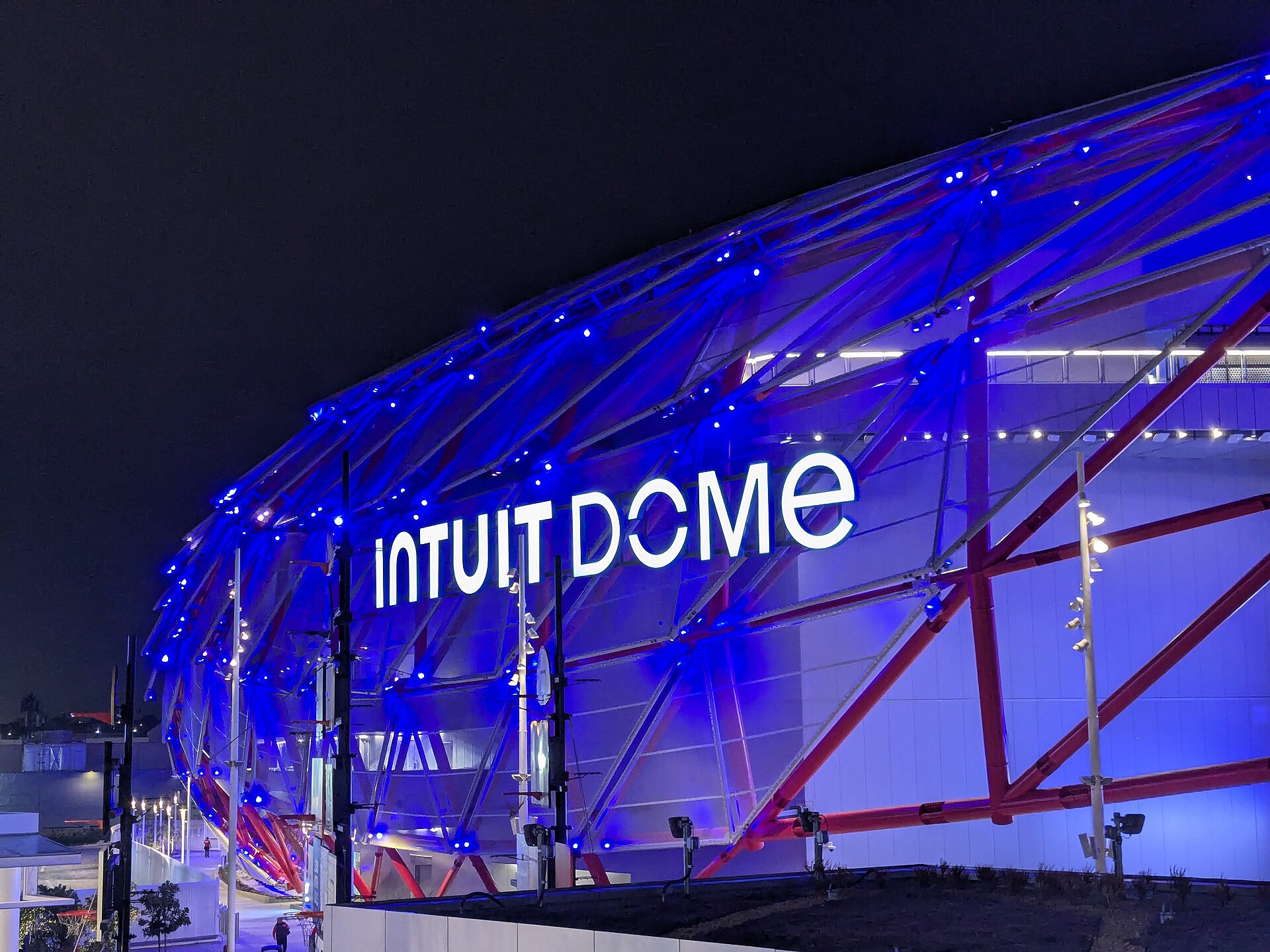
Intuit Dome is the league’s clearest experiment in rebuilding the arena experience around what basketball fans actually complain about. The Clippers opened the 18,000-seat building in 2024 with wider seats, generous row depth, extensive restrooms, five full-sized courts and technology intended to keep fans moving quickly through the building rather than waiting in lines.
The visual centerpiece is the double-sided Halo Board, while the cultural centerpiece is The Wall: 51 steep rows and roughly 4,500 seats behind one basket designed to concentrate Clippers supporters. The arena is too young to rank above MSG, Boston or the Lakers’ home on history, but on pure basketball-focused design it may be the most ambitious building in the NBA. If The Wall develops decades of tradition, Intuit Dome has a realistic path toward the very top of future rankings.
5. Chase Center — Golden State Warriors
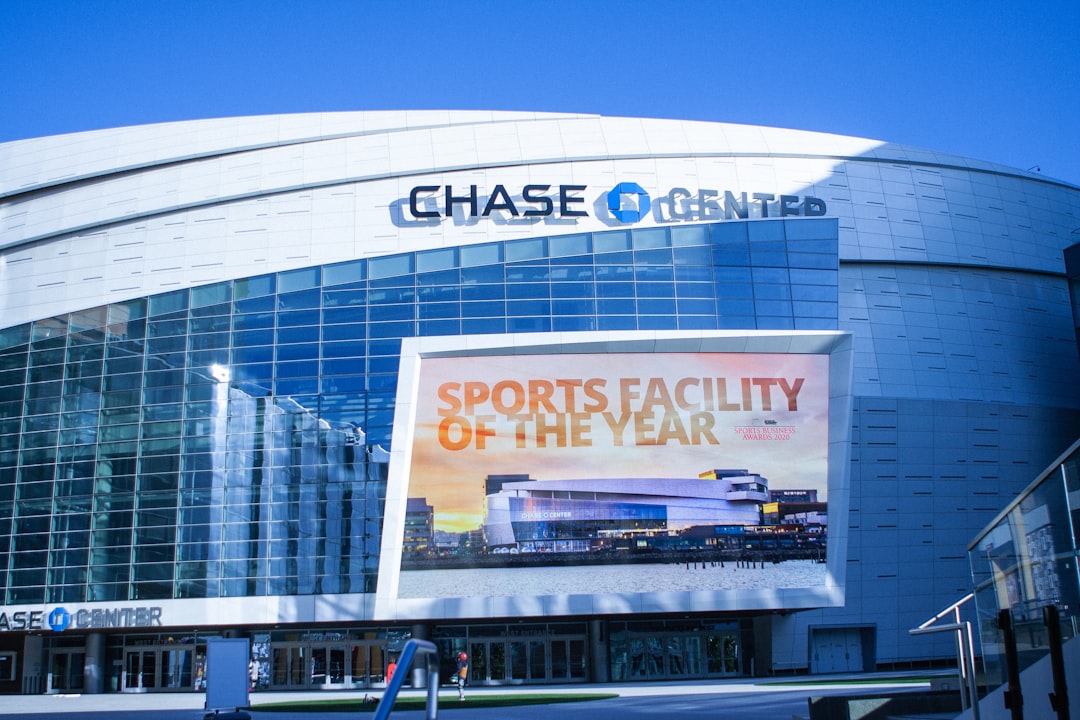
The Warriors left one of the NBA’s loudest old buildings in Oakland and moved into Chase Center in San Francisco in 2019. That created a difficult standard: the new arena had to deliver premium revenue and a major-city location without erasing the intensity that defined the Oracle Arena years.
Chase Center’s roughly 18,000-seat basketball configuration is wrapped into the larger Thrive City district, with restaurants, public space and event programming that makes the trip feel like more than a single game. The arena’s sightlines, scoreboards, clubs and concourses reflect a modern championship franchise, while the Warriors’ recent history gives the building instant relevance. It is more polished than old Oracle and sometimes less chaotic, but it is one of the NBA’s strongest combinations of modern venue quality and big-market event energy.
6. Gainbridge Fieldhouse — Indiana Pacers
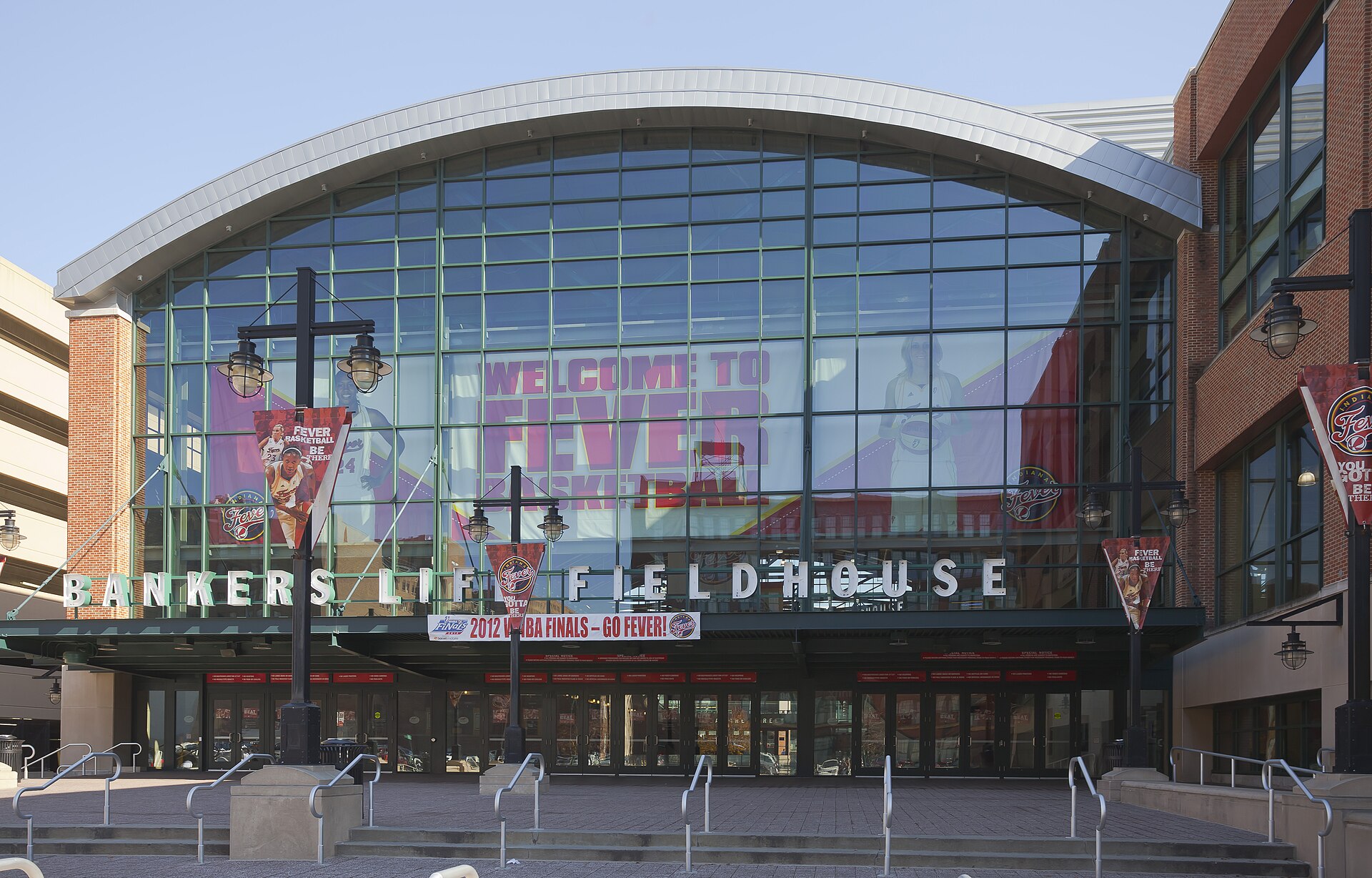
Gainbridge Fieldhouse works because it understands where it is. Indiana’s basketball identity shaped the building from the beginning, with brick, exposed structure and visual references that feel closer to a grand fieldhouse than a generic downtown arena. That makes a Pacers game feel connected to the state’s broader high-school and college basketball culture.
The multi-phase Fieldhouse of the Future renovation modernized clubs, suites, public spaces, technology and the surrounding plaza without discarding the original character. That balance is important. Many renovated venues either feel old because they refuse to change or lose their identity because every surface becomes corporate. Gainbridge remains recognizably Indiana basketball while providing a contemporary NBA experience, which is why it consistently deserves more attention than its market size suggests.
7. Fiserv Forum — Milwaukee Bucks
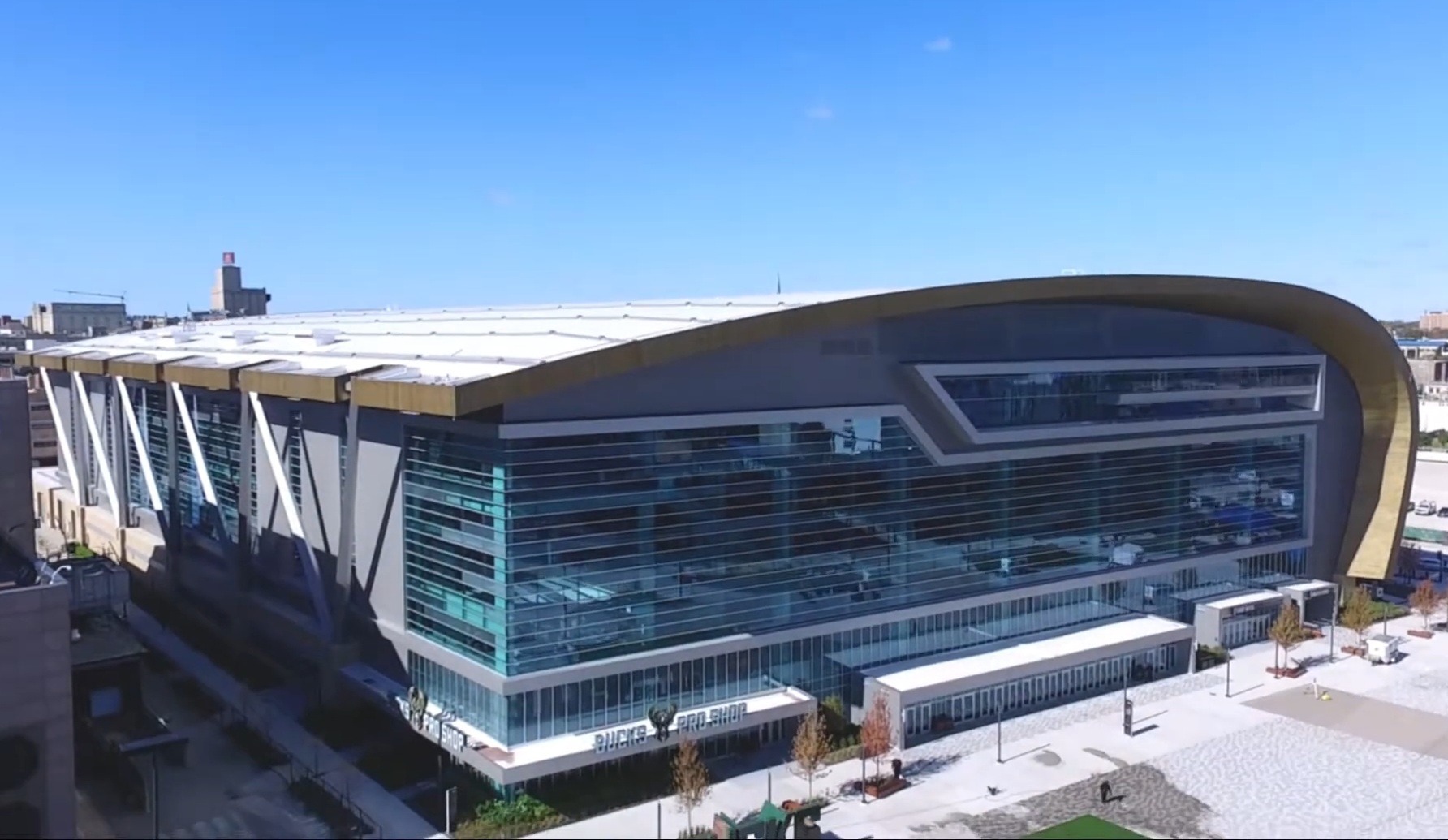
Fiserv Forum opened in 2018 and quickly became part of a championship-era revival in Milwaukee. The arena was designed with an intimate lower bowl, enhanced acoustics and extensive premium areas while keeping the basketball capacity a manageable 17,000-plus rather than chasing raw size.
The larger game-day advantage is the Deer District outside. The plaza became nationally recognizable during the Bucks’ 2021 championship run, when huge crowds gathered outside even when they did not have tickets. That gives Fiserv a second layer of atmosphere: the event can spill beyond the arena doors. Inside, modern sightlines and a strong sound environment make Bucks games feel concentrated. For a newer building, Fiserv has already developed a genuine basketball identity.
8. Golden 1 Center — Sacramento Kings
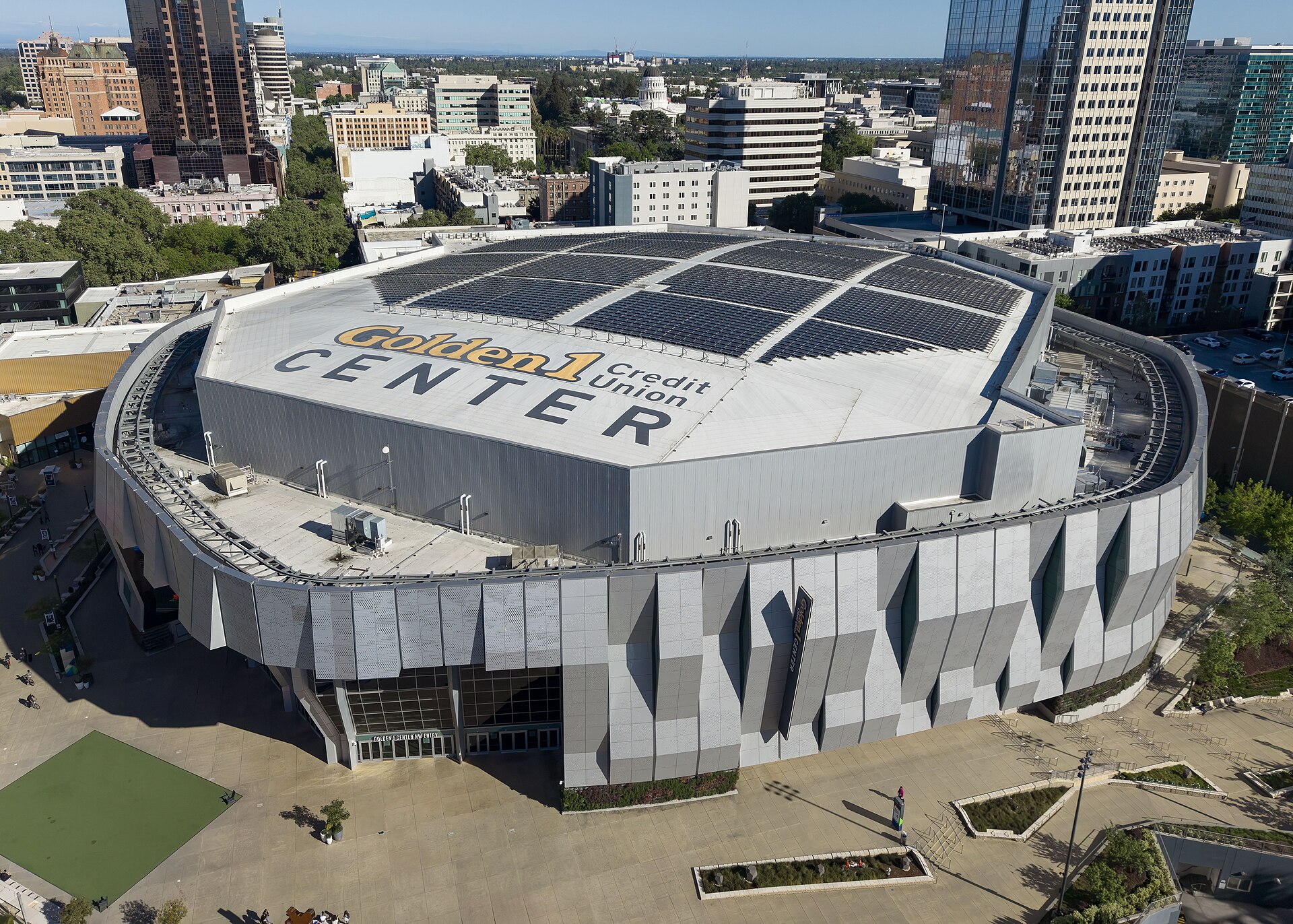
Golden 1 Center helped keep the Kings in Sacramento and placed the franchise directly into a revitalized downtown district when it opened in 2016. That civic importance still colors the fan experience: for a market that fought to retain its NBA team, the arena represents more than a replacement building.
The Kings leaned heavily into technology, including an early NBA-scale 4K center-hung video board, a high-capacity connectivity network and extensive digital displays. Large operable doors can connect the interior to the plaza, which fits Sacramento’s climate and gives the building a more open feel than many enclosed arenas. The fan base’s reputation for noise survived the move from the old Arco/Arena era, especially when the team returned to the playoffs. Golden 1 is a strong example of technology supporting, rather than replacing, crowd energy.
9. Paycom Center — Oklahoma City Thunder
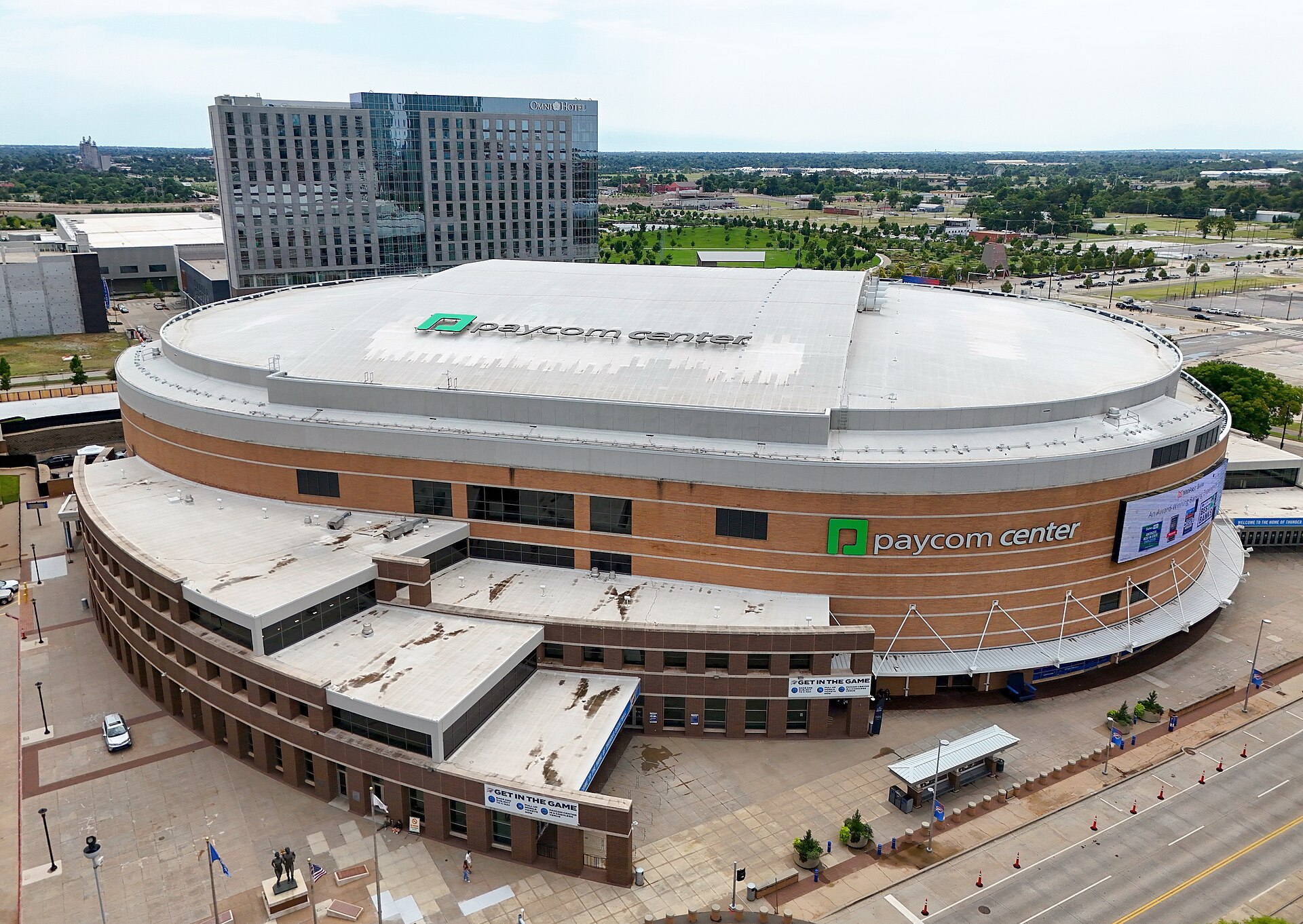
Paycom Center is not the league’s fanciest building, and that is part of why its atmosphere stands out. The relatively compact downtown arena has been the Thunder’s home since the franchise arrived in Oklahoma City in 2008, and “Loud City” became a defining part of the team’s early playoff identity.
The building seats roughly 18,000 for basketball and has undergone upgrades over the years, though Oklahoma City is already planning a much larger next-generation arena for the Thunder. That future makes the current Paycom Center a venue to appreciate while it still hosts meaningful NBA games. Its ranking is powered less by architecture than by crowd behavior: when the Thunder are contending, the room can feel much larger than its physical dimensions. Sometimes intimacy is the feature.
10. Delta Center — Utah Jazz
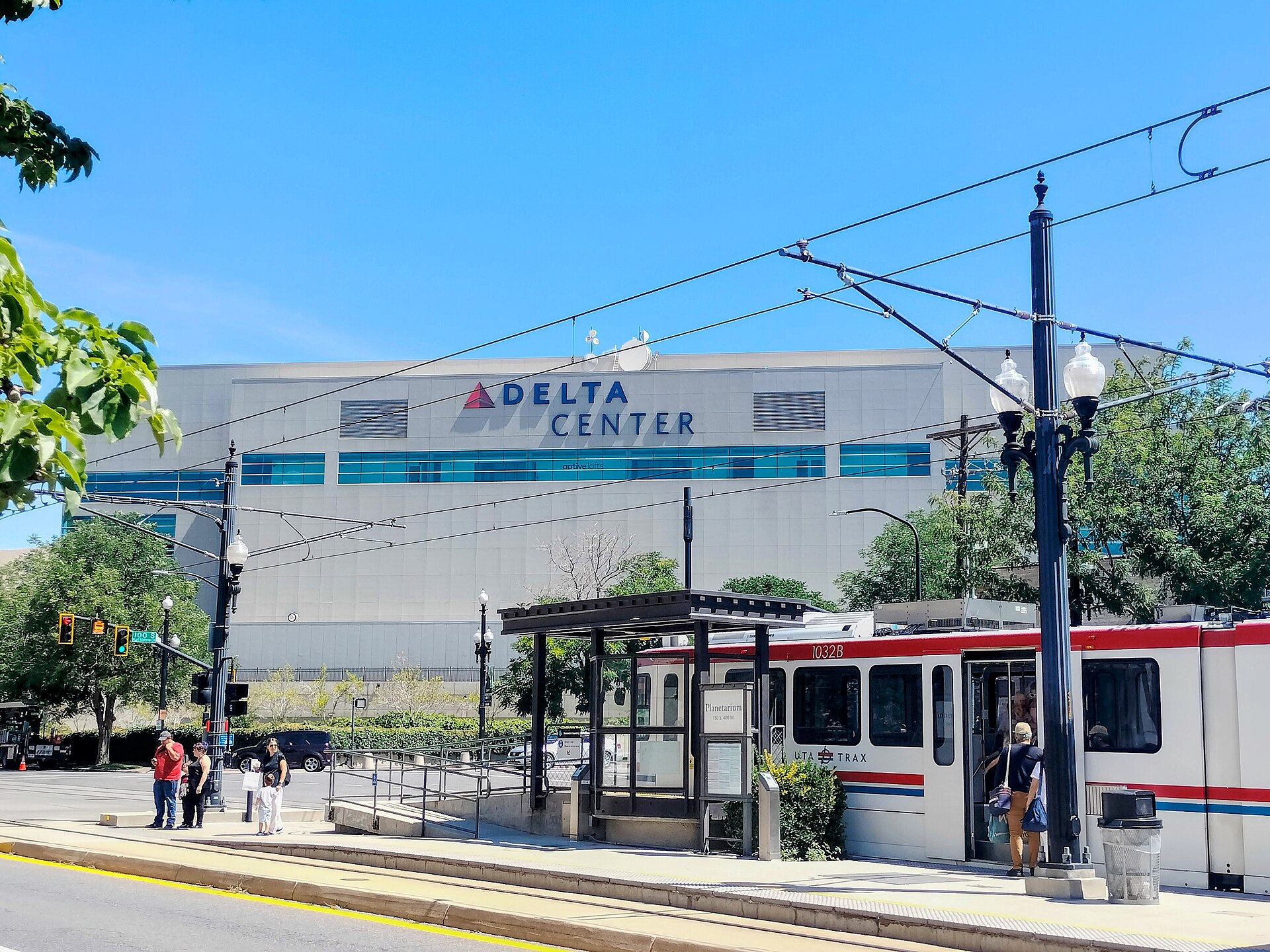
Delta Center has been the Jazz’s home since the early 1990s, which means its basketball identity stretches through the Stockton-and-Malone era, the 1997 and 1998 Finals, later playoff teams and a fan base that has long treated the arena as one of the league’s tougher road environments.
The building is now in the middle of a major transformation tied to its dual role as home of the Jazz and the NHL’s Utah Mammoth. Renovations announced for the 2025–26 period and beyond are changing seating, premium spaces and sightlines while preserving the downtown location. That makes Delta Center an unusual entry: it is both an old-school NBA building with decades of atmosphere and an active redevelopment project. The final product may move higher as the transformation matures.
What makes an NBA arena great for fans?
Basketball rewards buildings that put people close to the floor. A great arena makes the upper deck feel connected, keeps the lower bowl full, gets fans through concessions and restrooms quickly, and gives the home crowd architectural help instead of dispersing sound into a giant multipurpose shell.
History also matters. Intuit Dome may be more technically advanced than MSG, but New York has decades of moments that cannot be installed with LED panels. The strongest arenas eventually combine both: modern comfort and technology layered on top of rituals, rivalries and memories that make the building mean something.
FAQ
What is the best NBA arena for a first-time basketball trip?
Madison Square Garden is the strongest all-around first trip because the arena, Manhattan location and Knicks history combine into a uniquely recognizable experience. TD Garden and Crypto.com Arena are similarly strong choices for fans who value franchise history.
What is the newest arena on this list?
Intuit Dome opened in 2024 as the new home of the LA Clippers, making it the newest venue in this top ten.
Which NBA arena has the best technology?
Intuit Dome has the strongest claim because of its Halo Board, extensive connectivity, fan-facing technology and basketball-specific design. Golden 1 Center and Chase Center are also technology-forward venues.
Why is Paycom Center ranked if a replacement is planned?
Because this list ranks the current fan experience, not just long-term facility plans. Paycom Center’s intimate “Loud City” atmosphere remains distinctive while the Thunder’s next arena develops.
Sources
- Madison Square Garden — Official Venue
- TD Garden — Official Site
- Crypto.com Arena — About the Arena
- LA Clippers — Intuit Dome Press Resources
- Chase Center — Official Site
- Gainbridge Fieldhouse — Fieldhouse of the Future
- Fiserv Forum — Arena Information
- Golden 1 Center — Official Site
- Paycom Center — Facts
- Delta Center — Official Site
Image credits & licensing
Images are locally hosted reusable venue photographs. Madison Square Garden featured and inline photographs are licensed Unsplash images by Chris Appano and Shaun. TD Garden is an Unsplash photograph by Ethan Hansen. Crypto.com Arena is an Unsplash photograph by Martin Caniga and predates the current arena naming. Chase Center is an Unsplash photograph by Luke Zhang. Intuit Dome, Gainbridge Fieldhouse, Fiserv Forum, Golden 1 Center, Paycom Center and Delta Center images are reusable Wikimedia Commons files; where an image predates a venue naming change, the caption says so.