Hey, just so you know, some of the links on this site are affiliate links. That means I may earn a small commission if you buy something through them. It doesn’t cost you anything extra, and it helps me keep this site running. Thanks for your support!
Kawhi Leonard’s first Raptors appearance in seven years delivered exactly the kind of image Toronto wanted: the familiar uniform, the calm jumper and 21 points in only 17 minutes. The harder editorial question is what any of it means once the preseason glow fades.
Toronto beat New York 148-98 on Tuesday night. Leonard scored all 21 of his points in the first half, made four three-pointers, grabbed five rebounds and recorded two steals. The production was real. So were the standing ovation and the memory of the 2019 championship run. But a 50-point exhibition win is a data point, not a forecast.
| Final | Raptors 148, Knicks 98 |
|---|---|
| Leonard | 21 points, 5 rebounds, 2 steals in 17 minutes |
| Shooting note | 4-for-8 from three; all 21 points before halftime |
| Scottie Barnes | 19 points, 6 rebounds, 2 steals, 1 block |
| Context | Preseason; regular season begins October 20 |
What Leonard actually showed
The most encouraging part of Leonard’s line was not the total. It was how little time and volume he needed to create it. He knocked down four of eight attempts from deep, scored from familiar areas and generated offense without monopolizing the possession. For a player rejoining an ecosystem that already belongs to Scottie Barnes, that matters.
Leonard’s first basket came from three, immediately after Toronto’s crowd welcomed him back. Later, one corner jumper caught the rim and dropped—a visual callback to the famous 2019 playoff bounce against Philadelphia. The symmetry was irresistible, but the basketball signal was simpler: his balance, release and willingness to take the open shot looked comfortable.
Two steals also hinted at his timing on the other end, although 17 preseason minutes cannot answer the larger defensive questions. Toronto does not need every-possession peak Kawhi in October. It needs a version whose positioning, strength and decision-making raise the team’s floor without requiring an unsustainable workload.
Why the 17-minute limit is part of the story
Leonard sat Toronto’s first two preseason games while reconditioning, according to Sportsnet. That makes the short stint a feature, not a caveat to be waved away. The Raptors needed to see him move, absorb contact and recover from live action. They did not need to chase a fourth-quarter benchmark in a blowout.
The responsible reading is that Leonard cleared one small step convincingly. He looked prepared for the minutes he was assigned. Nothing about Tuesday established how many nights he will play, how he will respond to back-to-backs or what his closing workload should be. Those answers require consecutive games and honest reporting from the team, not projection from one hot half.
The Barnes-Leonard fit is Toronto’s real upside
Barnes’ 19 points, six rebounds, two steals and one block are more useful than a footnote. Toronto’s ceiling does not depend on recreating 2019 around Leonard. It depends on Leonard amplifying the roster that developed while he was elsewhere.
Barnes can initiate, pressure the rim and defend across positions. Leonard can punish smaller defenders, stabilize half-court possessions and space away from Barnes’ drives. When both are active, Toronto can move the defensive matchup rather than asking one player to solve every possession. The preseason sample offered a clean version of that division of labor: Leonard scored rapidly, Barnes filled multiple columns, and neither had to erase the other.
The lineup questions will become harder against a defense that stays connected. Toronto must determine which guards supply enough shooting, who organizes the second unit and how often Leonard should be the primary creator. A 50-point margin concealed those pressure points rather than solving them.
What the Knicks result does not prove
Preseason scoreboards can exaggerate readiness. Rotations are experimental, starters play uneven minutes and coaching priorities often differ across the same game. New York’s 98 points and Toronto’s 148 are official results, but they are not a dependable model for the regular-season gap between the teams.
Leonard’s shooting can cool. Opponents will test his lateral movement and force him through screening actions. The Raptors will also face the cumulative question that one isolated game cannot reproduce: how does his body respond after travel, contact and repeated recovery days?
None of that drains the moment of value. It simply keeps the conclusion proportional to the evidence. Toronto saw enough to be encouraged and not enough to be certain.
What to watch next
The regular season opens October 20, six days after the NBA published its Toronto recap. Before then, watch the minutes plan more closely than the scoring total. Does Leonard appear in another exhibition? Does his stint extend? Do the Raptors pair him with Barnes against an opponent’s best group?
The best sign would be boring continuity: another controlled appearance, the same comfortable movement and no postgame setback. Toronto already received the emotional payoff. The next job is turning a nostalgic night into a sustainable rotation.
For another current NBA return story, read our Thunder–Pacers overtime analysis, or browse the NBA Buzz archive.
Sources and image credit
- NBA.com Starting 5, October 14, 2026.
- Sportsnet game report, October 14, 2026.
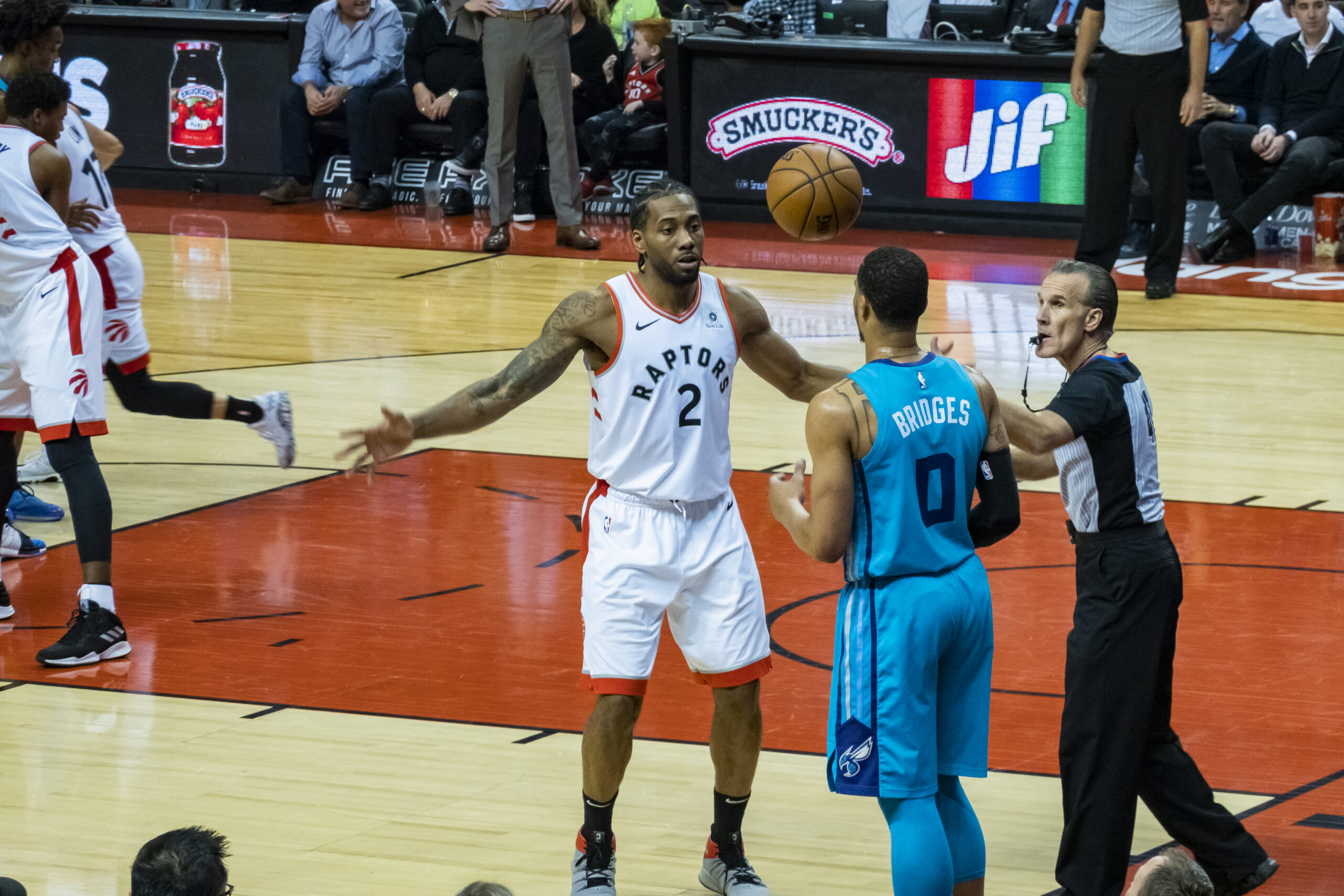
- Featured archive photo: Kawhi Leonard playing for Toronto in 2019, Chensiyuan/Wikimedia Commons, CC BY-SA 4.0. It does not depict the 2026 preseason game.
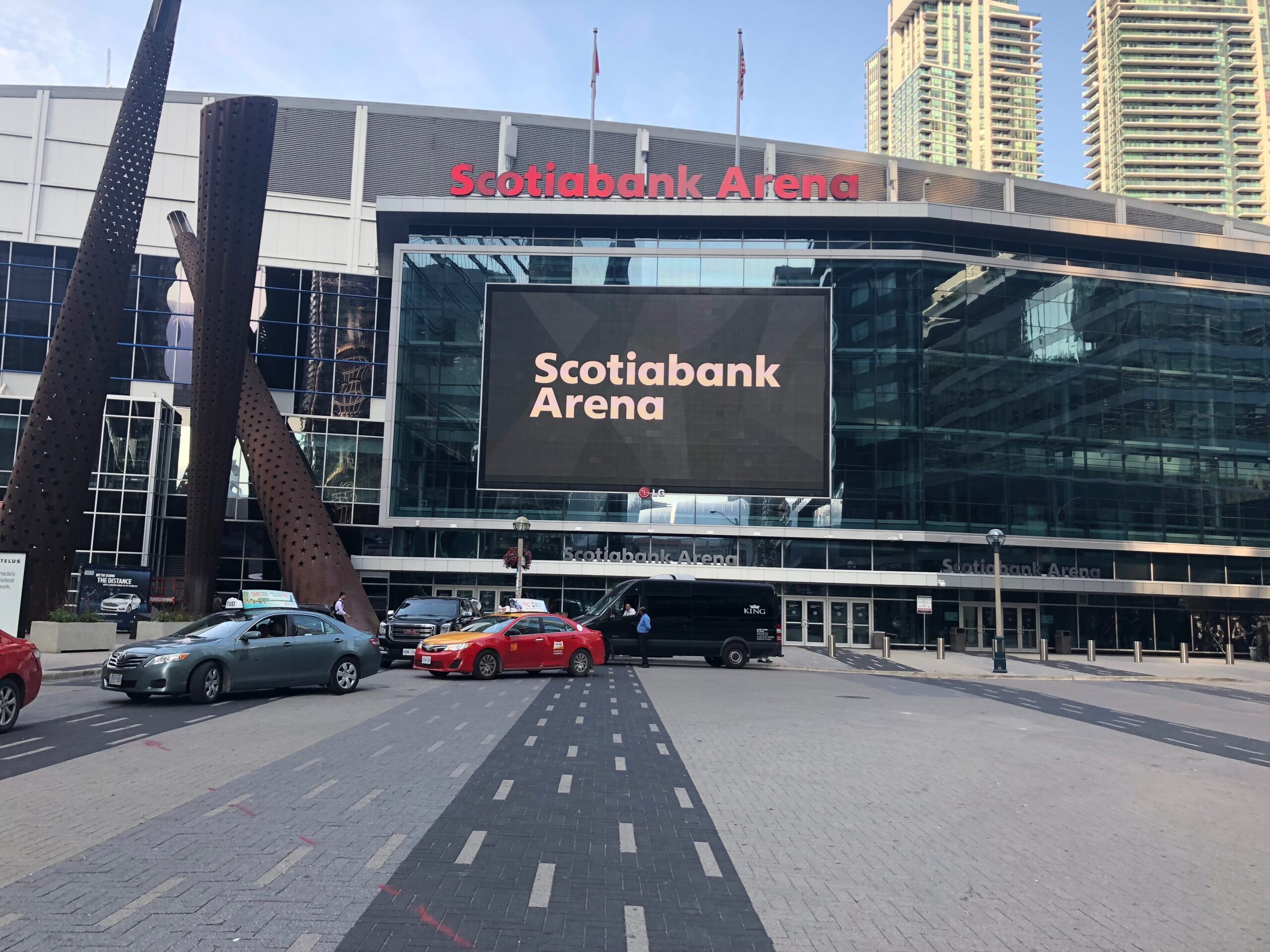
- In-body archive photo: Paperfire/Wikimedia Commons, CC BY-SA 4.0.