Hey, just so you know, some of the links on this site are affiliate links. That means I may earn a small commission if you buy something through them. It doesn’t cost you anything extra, and it helps me keep this site running. Thanks for your support!
NBA preseason • Final/OT • October 13, 2026
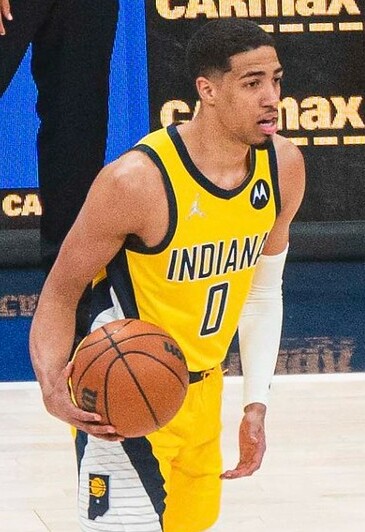
Oklahoma City won the game, 114–112 in overtime. Indiana may have taken the more important preseason answer home. Tyrese Haliburton scored 24 points in 18 first-half minutes—shooting 9-for-14 and 4-for-6 from three—in his first game back in Oklahoma City since the Achilles injury that erased his 2025–26 season.
The Thunder’s first preseason win came after Indiana led 61–59 at halftime but trailed 85–84 entering the fourth. The teams combined for only 31 points in the fourth quarter before Oklahoma City edged the extra period 14–12. That uneven shape is exactly why the scoreboard and the evaluation should be separated: the result belonged to the Thunder, while the cleanest rotation-level evidence belonged to Haliburton.
Haliburton’s first half answered the hardest question first
Haliburton did not need a full regular-season workload to show that his decision-making speed had returned. He reached 24 points on efficient volume, including four made threes, while adding three assists in 18 minutes. The striking part was not a single highlight; it was how quickly he moved from reading the floor to creating the shot. Oklahoma City changed defenders and coverages, yet Haliburton still found pull-ups, drives and early-clock chances.
Indiana appropriately ended his night at halftime. Preseason minutes are not proof of long-term durability, and one explosive half cannot answer how his body will respond to repeated games. But it can answer whether he looks tentative in the actions that define his value. On Tuesday, he did not. Pacers coach Rick Carlisle described him as playing his own game, and the numbers support that assessment without requiring a broader medical conclusion.
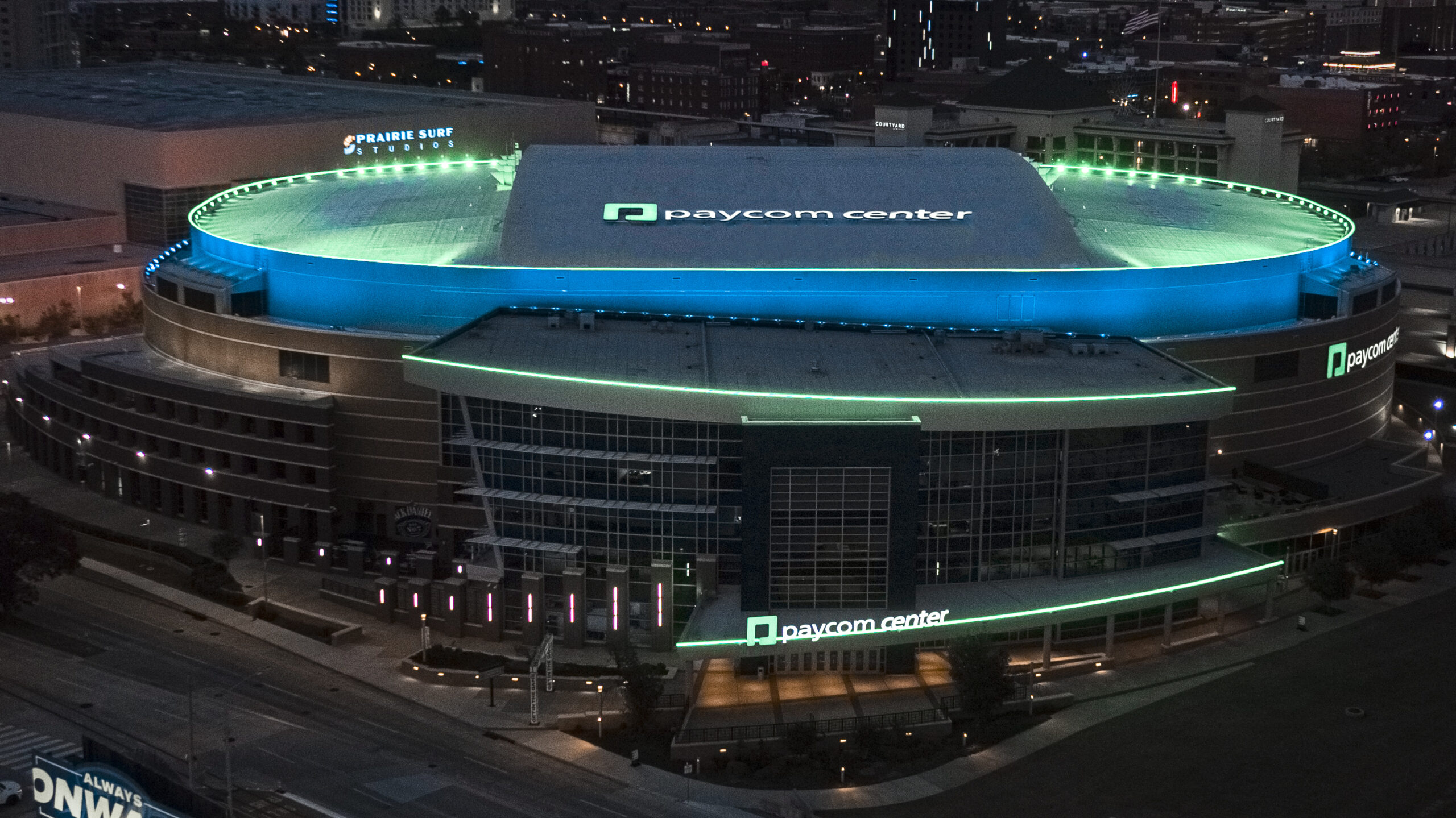
Oklahoma City’s defense created the extra possessions it needed
The box score offers a useful warning against reading only the rebound column. Indiana collected 69 rebounds to Oklahoma City’s 48 and generated 100 field-goal attempts. Ordinarily, that volume should produce control. Instead, the Pacers committed 28 turnovers, 12 more than the Thunder. Oklahoma City also recorded 14 steals, repeatedly shortening the floor and getting attempts before Indiana could set its defense.
That possession tradeoff kept the Thunder alive even though Indiana had more assists and far more rebounds. Oklahoma City shot 47.8 percent from the field and 35.9 percent from three, both better than Indiana’s 43.0 and 29.8 percent. The Thunder did not dominate one traditional category; they survived the glass by taking care of the ball better and converting a higher share of the opportunities they had.
The overtime result belonged to depth, not the first-half headline
Because Haliburton and other primary players were done, the closing minutes became a test of secondary creation and lineup organization. The teams entered overtime tied at 100 and Oklahoma City won the period 14–12. Jared McCain supplied 20 points off the bench, including six three-pointers, while Ivica Zubac posted 13 points, 13 rebounds and five assists in under 18 minutes. Those contributions gave the Thunder multiple ways to finish possessions after Indiana’s first unit had established the early standard.
Preseason overtime is messy by design: coaches are balancing evaluation, health and situational reps rather than squeezing every possession through their best player. Still, late-game execution has diagnostic value. Oklahoma City found enough structure to score 14 in five extra minutes after managing only 15 in the fourth. Indiana, meanwhile, saw how quickly a turnover-heavy night can neutralize a large advantage on the glass.
| Game signal | What it showed |
|---|---|
| Final | Thunder 114, Pacers 112 (OT) |
| Haliburton | 24 points, 9-for-14 FG, 4-for-6 3PT in 18 first-half minutes |
| Turnovers | Indiana 28, Oklahoma City 16 |
| Rebounds | Indiana 69, Oklahoma City 48 |
| Overtime | Thunder won the period 14–12 |
What to carry forward—and what not to
Indiana can carry forward Haliburton’s pace, confidence and shot-making. It should not treat 18 excellent minutes as a medical endpoint. His availability and workload remain decisions for the team’s performance staff over the regular-season calendar. Oklahoma City can value the win and the live-ball pressure, while recognizing that allowing 69 rebounds is not a sustainable trade merely because Indiana gave the ball away 28 times.
The most honest preseason takeaway is therefore split: Oklahoma City handled the final possession battle well enough to win; Indiana’s franchise guard looked like himself in the portion designed to test him. Both can be true, and neither requires pretending an exhibition result predicts April.
See more current basketball coverage in the NBA Buzz hub, and explore the venue in our NBA arena guide.
Sources
- NBA official box score — final, period scoring and player statistics.
- Indiana Pacers game rewind — team recap and context.
- ESPN game summary — independent score corroboration.