
Hey, just so you know, some of the links on this site are affiliate links. That means I may earn a small commission if you buy something through them. It doesn’t cost you anything extra, and it helps me keep this site running. Thanks for your support!
The Concacaf Champions Cup is the top men’s club competition for teams from North America, Central America and the Caribbean. It brings together qualified clubs from domestic leagues, domestic cups and regional competitions, then uses a knockout format to determine Concacaf’s club champion.
The 2026 tournament featured 27 clubs and five rounds. Twenty-two teams entered in Round One, while five received byes directly to the Round of 16.
What is the Concacaf Champions Cup?
Concacaf is the regional governing body for soccer across North America, Central America and the Caribbean. Its Champions Cup is the region’s premier club championship.
For fans who primarily follow MLS, Liga MX or domestic leagues elsewhere in the region, the Champions Cup is where leading clubs from different national and regional competitions meet in one continental tournament.
How clubs qualify
Qualification comes through multiple approved pathways rather than one single league table. For the 2026 edition, clubs qualified through competitions including domestic leagues and cups in the United States, Mexico and Canada, plus Leagues Cup, the Concacaf Central American Cup and the Concacaf Caribbean Cup.
The exact qualifying clubs and slot distribution can change by edition, so qualification should always be checked against the current tournament rules rather than assumed from a previous year.
The 2026 tournament had 27 clubs
Concacaf’s official 2026 format placed 27 clubs in the competition. Twenty-two began in Round One and five received byes into the Round of 16.
That bye structure rewards clubs that qualify through designated pathways while keeping the wider field open to teams from across the region.
Five knockout rounds decide the champion
The 2026 Champions Cup consisted of five stages:
- Round One
- Round of 16
- Quarterfinals
- Semifinals
- Final
The first four rounds were played over two legs, with each club hosting once. The Final was a single match.
How two-legged ties work
In a two-legged knockout tie, the teams play once at each club’s home venue. The results across both matches are combined into an aggregate score to determine who advances, subject to the competition’s current tiebreak procedures.
This creates a different tactical challenge from a one-match knockout. A poor first leg can sometimes be recovered in the second, while home-field order can influence how teams approach each match.
Listen beyond the match: Fans interested in long-form soccer stories, athlete biographies and sports history can explore Audible Standard Monthly.
The Final is different
The Champions Cup Final is played as a single match rather than a two-leg series. For 2026, the higher-ranked finalist in the tournament’s cumulative standings earned hosting rights.
Deportivo Toluca FC hosted Tigres UANL at Estadio Nemesio Díez on May 30, 2026. The match finished 1-1, and Toluca won the penalty shootout 6-5 to claim its third Concacaf club title.
What does the champion earn?
The Champions Cup winner earns more than a regional trophy. The 2026 champion also qualified for the 2026 FIFA Intercontinental Cup and secured a place in the 2029 FIFA Club World Cup.
Those global qualification rewards make the tournament strategically important for clubs that want to move from domestic success onto the world stage.
Where MLS fits
MLS clubs can reach the Champions Cup through approved qualification routes, but MLS itself is only one part of the Concacaf region. Liga MX clubs, Canadian clubs and qualifiers from Central America and the Caribbean also compete.
That broader regional field is why the tournament should not be thought of as an MLS playoff. It is a separate continental competition with its own entry paths, schedule and knockout rules.
If you are learning how MLS itself is structured, see our guide to MLS versus major European league structures. For a European comparison, our UEFA Champions League format explainer breaks down UEFA’s 36-club league phase and knockout path.
Why the Champions Cup matters
The competition answers a regional question that domestic leagues cannot: which qualified club can survive a cross-border knockout tournament against leading opposition from across Concacaf?
For supporters, it also creates matchups that ordinary domestic schedules do not. MLS and Liga MX clubs can meet teams from other parts of the confederation, while Central American and Caribbean qualifiers have a direct path into high-profile continental matches.
Bottom line
The Concacaf Champions Cup is a regional knockout championship for qualified clubs from North America, Central America and the Caribbean. In 2026, 27 clubs competed: 22 began in Round One, five received Round-of-16 byes, the first four rounds were two-legged, and the Final was a single match. Toluca won the 2026 title on penalties and earned qualification for FIFA global club competitions.
Keep a soccer reading library handy: Kindle Unlimited is another governed route for readers exploring soccer, coaching and sports nonfiction.
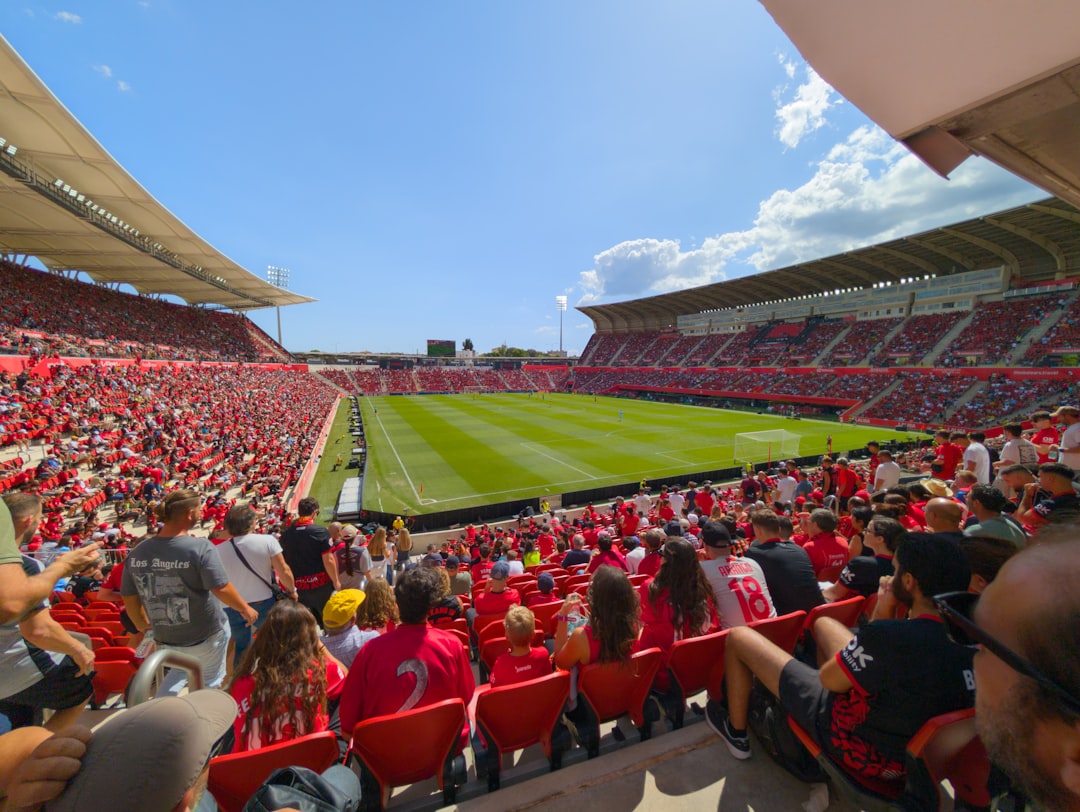
Fact-check basis: official Concacaf competition materials reviewed September 7, 2026. Generic soccer imagery is used and does not depict the 2026 Final or any specific Champions Cup match.