
Hey, just so you know, some of the links on this site are affiliate links. That means I may earn a small commission if you buy something through them. It doesn’t cost you anything extra, and it helps me keep this site running. Thanks for your support!
Some soccer stadiums are impressive because they are large. The truly great ones become part of the sport’s mythology. They host defining finals, shape club identity, amplify supporter culture and become places fans recognize before they even see the name.
SportsyVibe ranked these venues using five factors: historic importance, atmosphere and supporter culture, global recognition, architectural identity, and continued relevance. This is not a pure capacity list. It is a ranking of stadiums whose meaning reaches far beyond their seats.
| Rank | Stadium | Location | Why it matters |
|---|---|---|---|
| 1 | Wembley Stadium | London, England | The symbolic home of English football and one of the game’s most recognizable stages |
| 2 | Maracanã | Rio de Janeiro, Brazil | World Cup history, Brazilian football culture and one of the sport’s most famous names |
| 3 | Spotify Camp Nou | Barcelona, Spain | FC Barcelona’s cathedral and one of club football’s defining venues |
| 4 | Mexico City Stadium / Estadio Azteca | Mexico City, Mexico | Pelé, Maradona and a record three World Cup editions |
| 5 | Santiago Bernabéu | Madrid, Spain | Real Madrid’s stage for generations of European nights and modern stadium innovation |
| 6 | La Bombonera | Buenos Aires, Argentina | Steep stands, close quarters and one of world football’s most intense atmospheres |
| 7 | San Siro | Milan, Italy | A century of Milanese football, European finals and unmistakable architecture |
| 8 | Signal Iduna Park | Dortmund, Germany | The Yellow Wall and one of Europe’s strongest supporter atmospheres |
| 9 | Anfield | Liverpool, England | The Kop, European nights and a match-day identity recognized around the world |
| 10 | FNB Stadium / Soccer City | Johannesburg, South Africa | The 2010 World Cup final, African football history and landmark architecture |
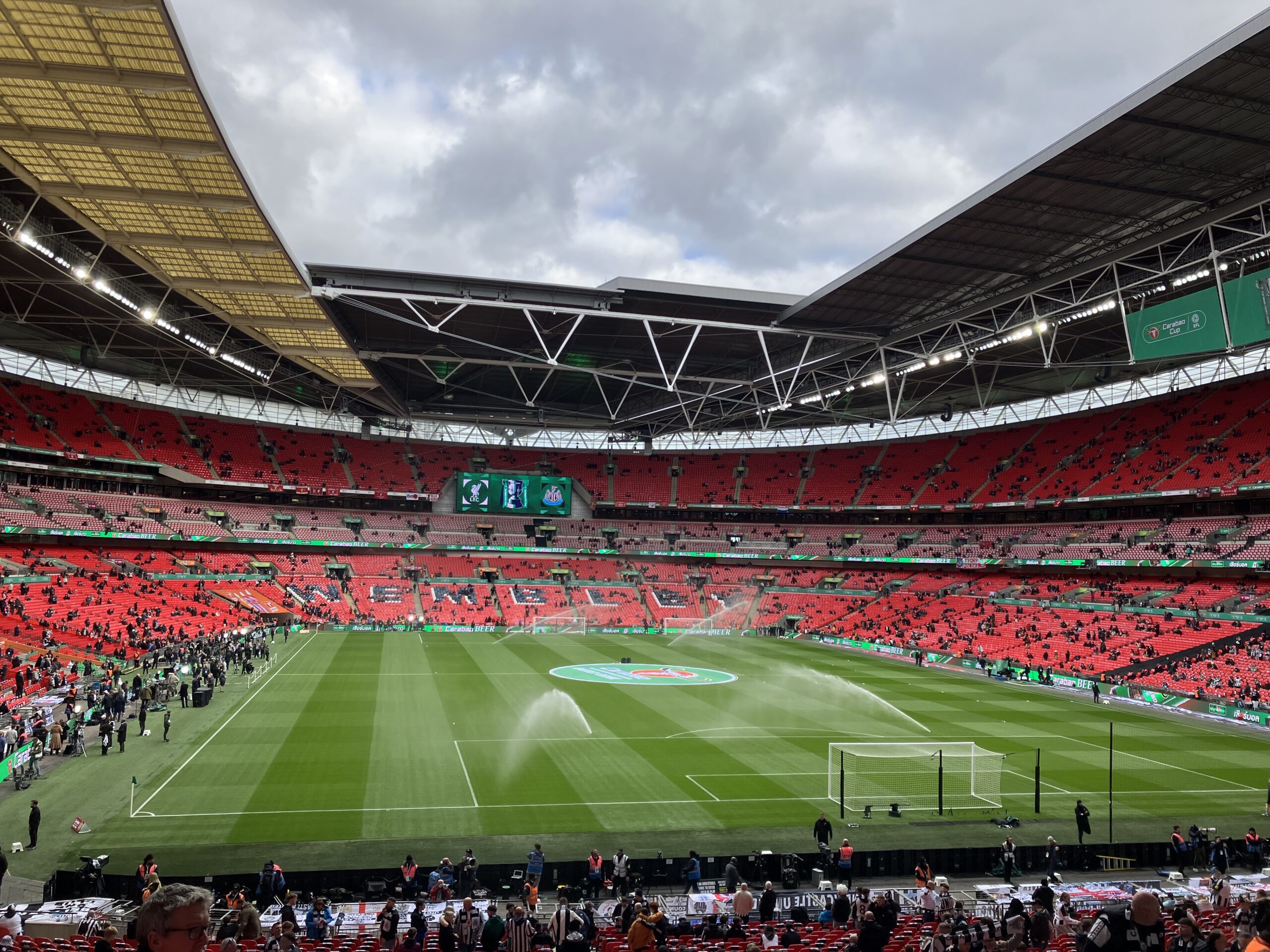
1. Wembley Stadium — London, England
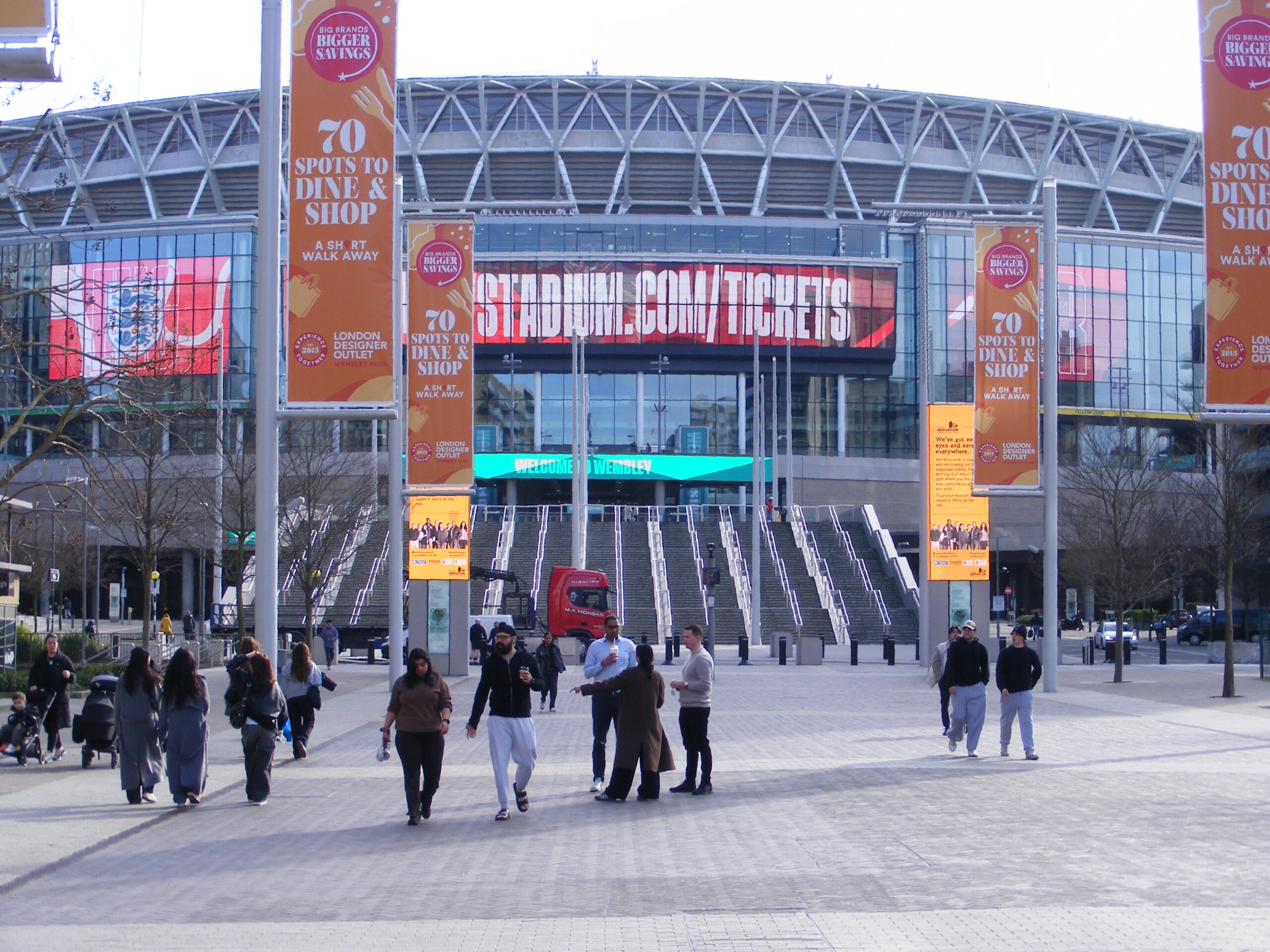
Wembley’s greatest strength is that it represents more than one club or one era. The original stadium opened in 1923, and the site became synonymous with the FA Cup Final, England internationals and the 1966 World Cup triumph. The current stadium reopened in 2007 with 90,000 seats and an arch that turned the venue into a new London landmark.
That continuity is what gives Wembley unusual weight. A player can arrive there for a domestic cup final, a national-team match or a major international final and immediately understand that the occasion is different. The venue has also hosted UEFA finals, women’s internationals, NFL games and major concerts, but football remains at the center of its identity.
For global recognition, historic moments and the idea of a national football stage, Wembley still sets the benchmark.
2. Maracanã — Rio de Janeiro, Brazil
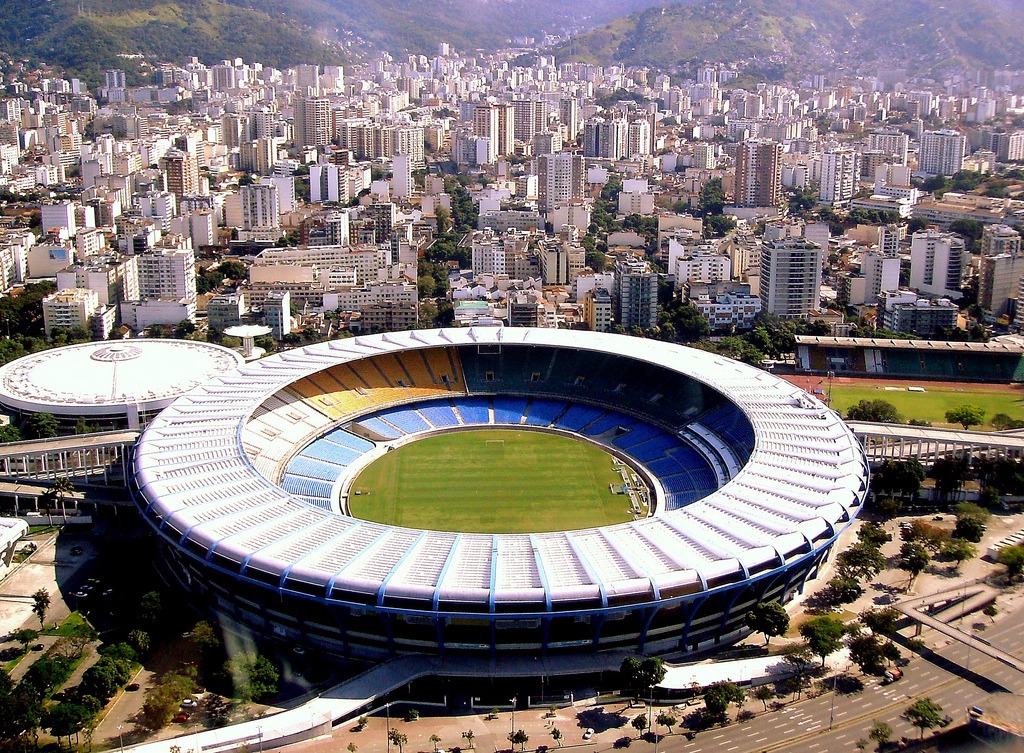
Few stadium names carry as much emotional history as the Maracanã. Built for the 1950 World Cup, it became the setting for the Maracanazo, Uruguay’s 2-1 victory over Brazil that remains one of the most famous shocks in football history. More than six decades later, the stadium returned to the center of the sport by hosting the 2014 World Cup final.
The venue is also deeply tied to Rio’s club culture. Flamengo and Fluminense have made it a recurring stage for major domestic matches, while generations of Brazilian stars have played beneath its sweeping roof. The current stadium is very different from the giant bowl that once held extraordinary crowds, but its symbolic power survived modernization.
If Wembley represents national football ceremony, the Maracanã represents football as mass culture.
3. Spotify Camp Nou — Barcelona, Spain
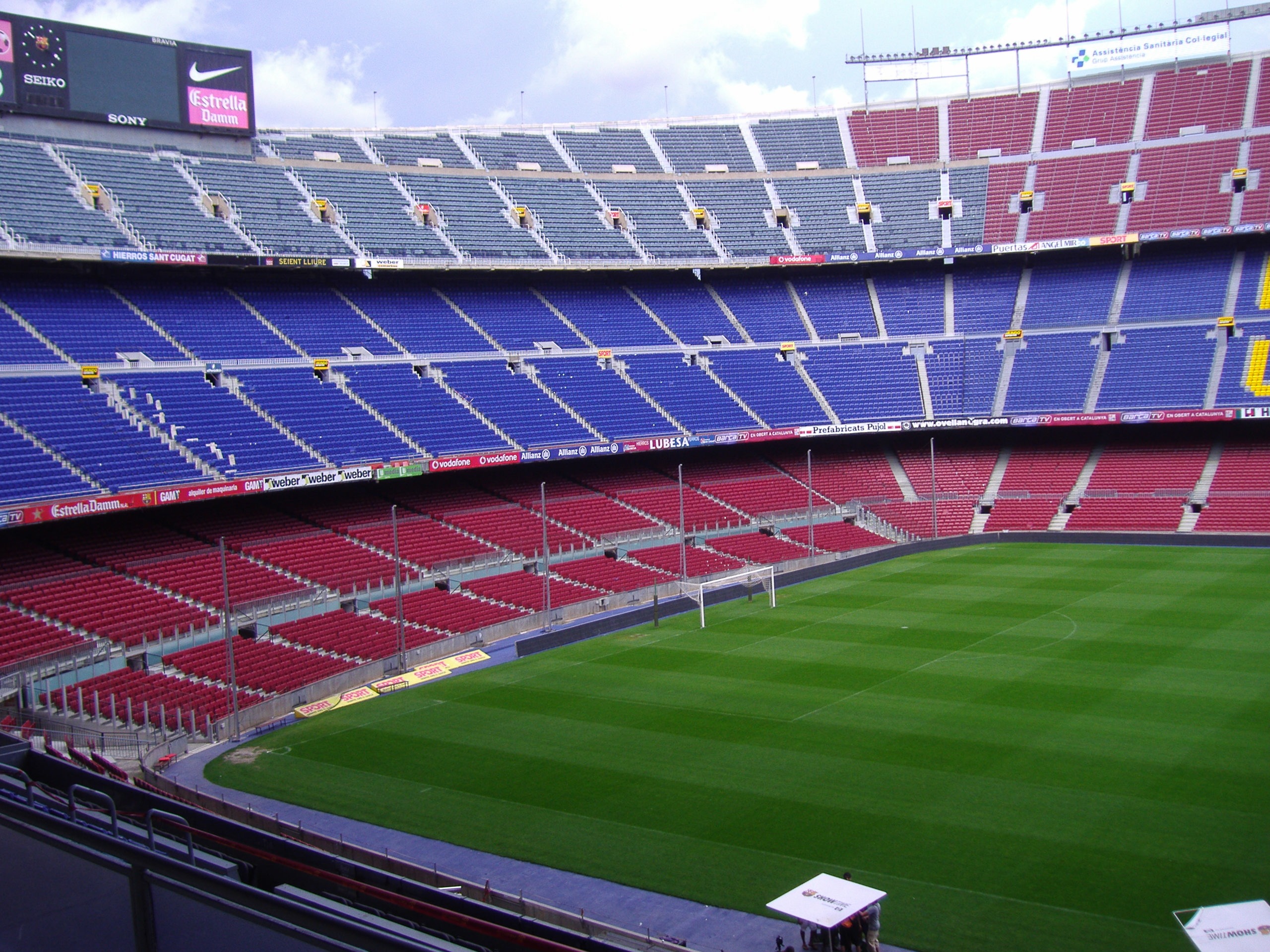
Camp Nou has been tied to FC Barcelona since 1957 and for decades was Europe’s largest club stadium. It became a stage for Johan Cruyff, Diego Maradona, Ronaldinho, Xavi, Andrés Iniesta and Lionel Messi, while the phrase Més que un club helped turn the stadium into a symbol of Catalan identity as well as football excellence.
The venue is currently being transformed through the Espai Barça project. In 2026, FC Barcelona received the Phase 1C occupancy license, lifting the available match capacity to 62,652 while construction continues toward the larger completed stadium. That means Camp Nou is simultaneously historic and unfinished — a rare moment when one of football’s most famous grounds is being reinvented without leaving its original home.
Its ranking here reflects both the memories already created and the fact that it remains central to the future of elite club football.
4. Mexico City Stadium / Estadio Azteca — Mexico City, Mexico
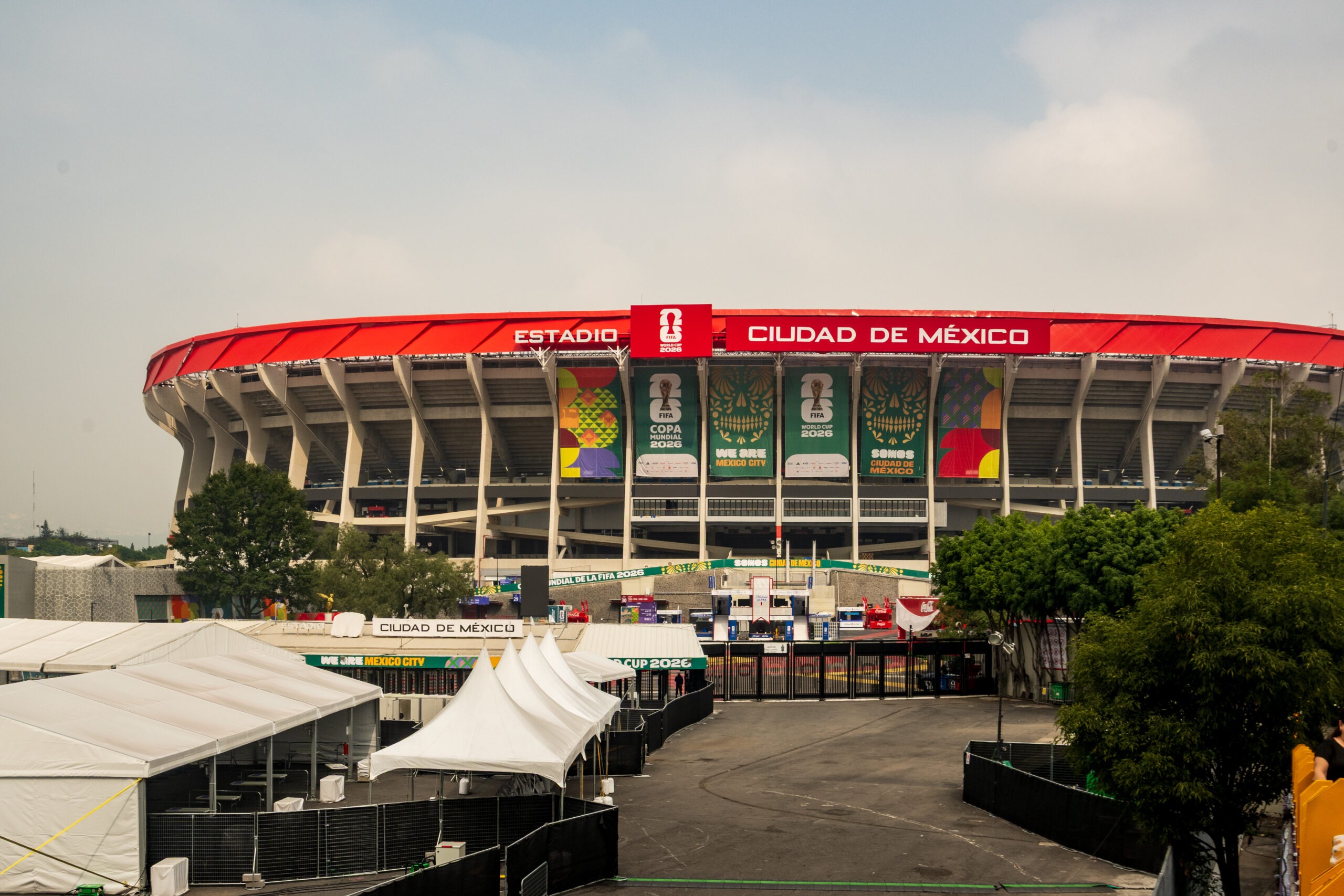
Estadio Azteca already had an unmatched World Cup résumé before 2026. It hosted the 1970 final won by Pelé’s Brazil and the 1986 final won by Diego Maradona’s Argentina. In 2026, the venue — used by FIFA under the name Mexico City Stadium — became the first stadium to host matches across three men’s World Cups.
FIFA listed its final tournament capacity at 80,824, and the stadium delivered the five largest crowds of the 2026 World Cup. Its importance is not just statistical. It is one of the few football venues strongly associated with multiple generations of the sport’s most famous players and most watched tournament.
For World Cup history alone, it belongs in any serious global top ten.
5. Santiago Bernabéu — Madrid, Spain
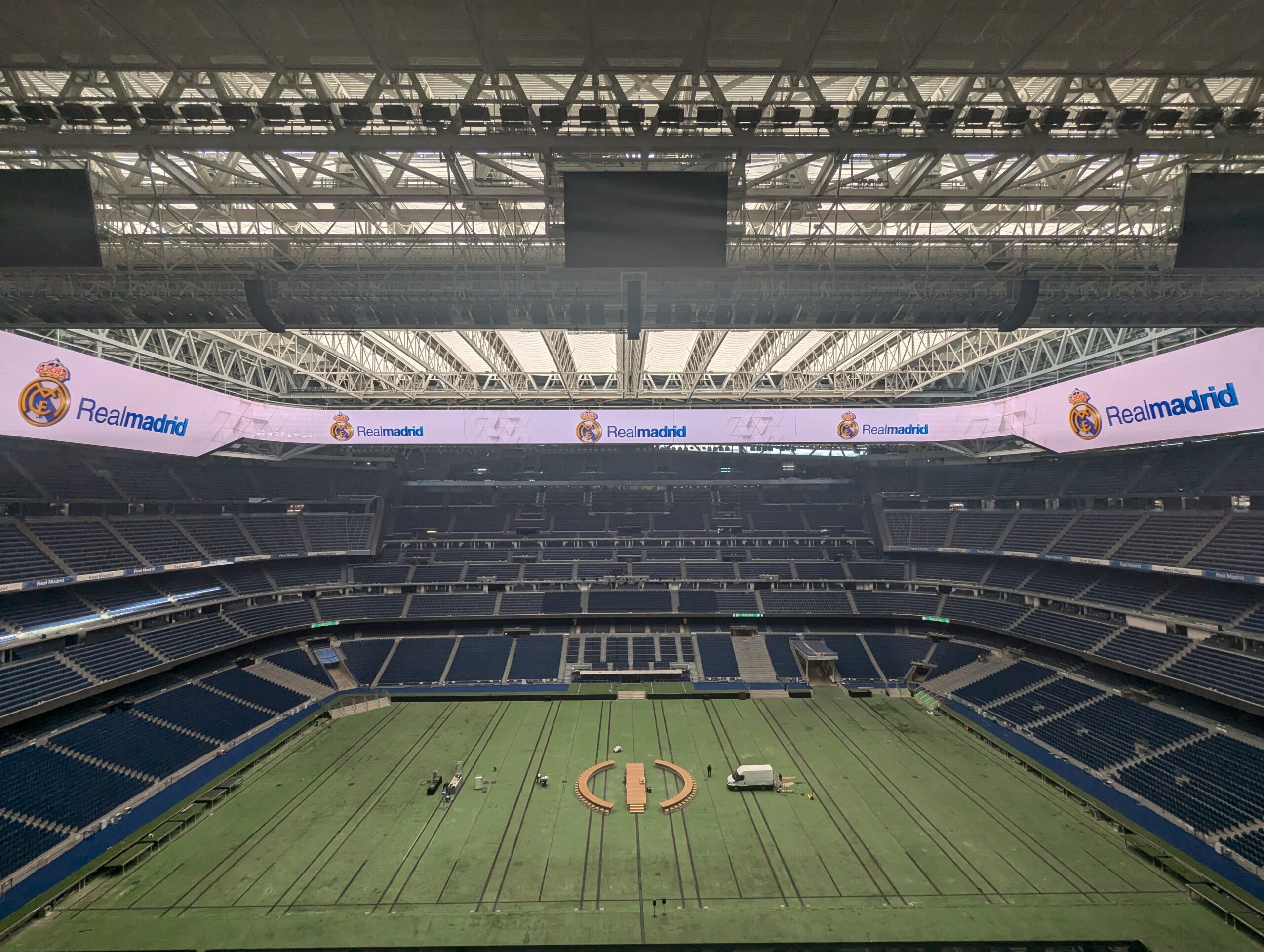
The Santiago Bernabéu is inseparable from Real Madrid’s European identity. Opened in 1947 and renamed for club president Santiago Bernabéu in 1955, it has been the setting for decades of league titles, European Cup and Champions League nights, El Clásico matches and some of the most famous comebacks in club football.
Its latest transformation added a retractable roof, wraparound exterior skin, major hospitality upgrades and a retractable pitch system designed to support events beyond football. Real Madrid lists the stadium at roughly 81,000 spectators, keeping it among Europe’s largest elite club venues while significantly expanding what the building can do year-round.
The Bernabéu ranks this high because it combines historic pressure with modern reinvention better than almost any other stadium.
6. La Bombonera — Buenos Aires, Argentina
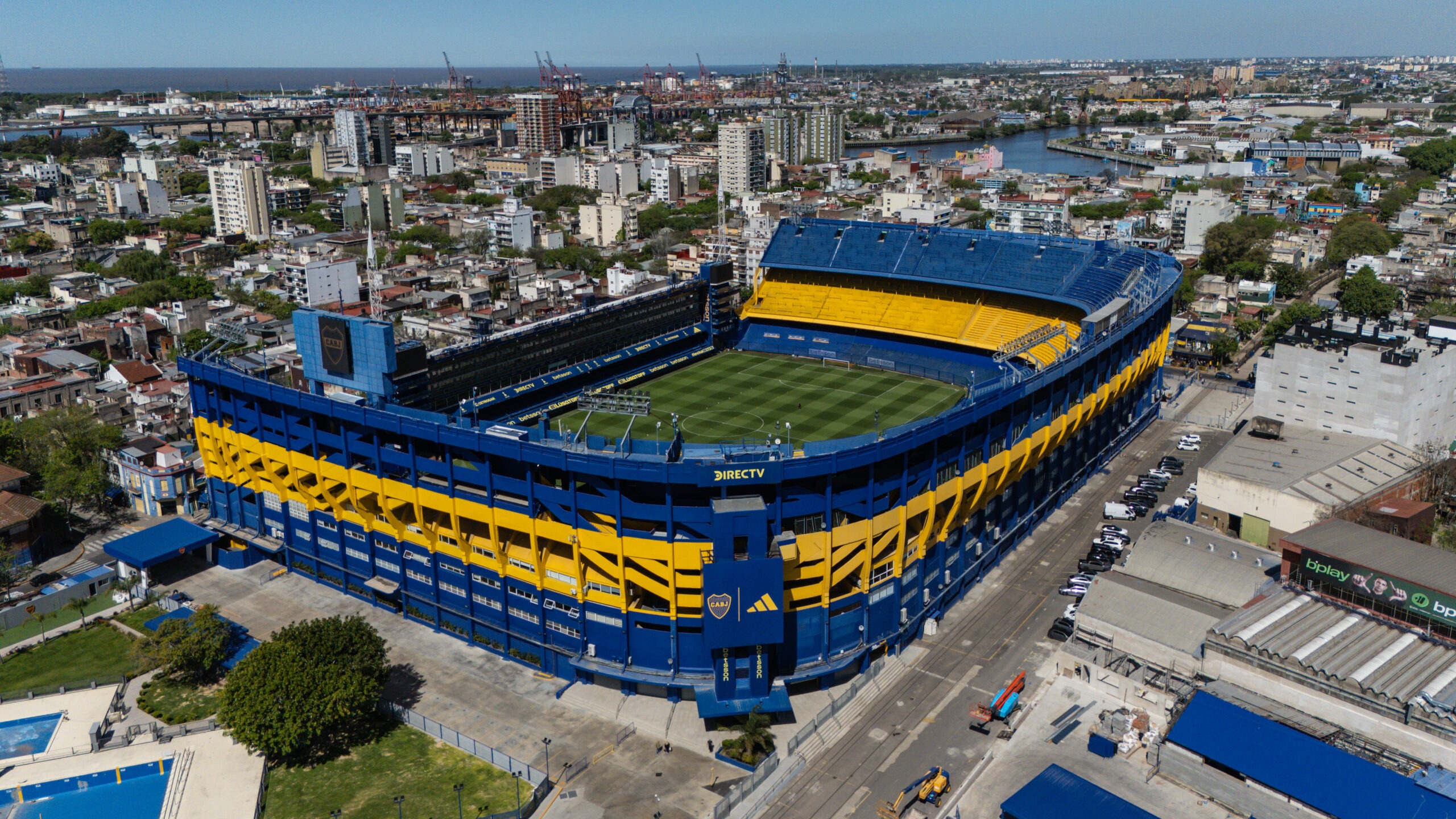
La Bombonera proves that greatness is not only about size. Boca Juniors’ stadium opened in 1940 with an unusually vertical, horseshoe-like design created to fit a tight urban site. The result places supporters extremely close to the field and compresses noise into one of the most intimidating match-day environments in world football.
The stadium’s location in La Boca matters as much as its shape. Match day spills into the surrounding neighborhood hours before kickoff, making the venue part of a broader street-level football culture. Boca’s own history treats the stadium as a world monument, and the City of Buenos Aires describes the experience there as difficult to compare with anywhere else.
For atmosphere, architecture and identity, La Bombonera has very few peers.
7. San Siro — Milan, Italy
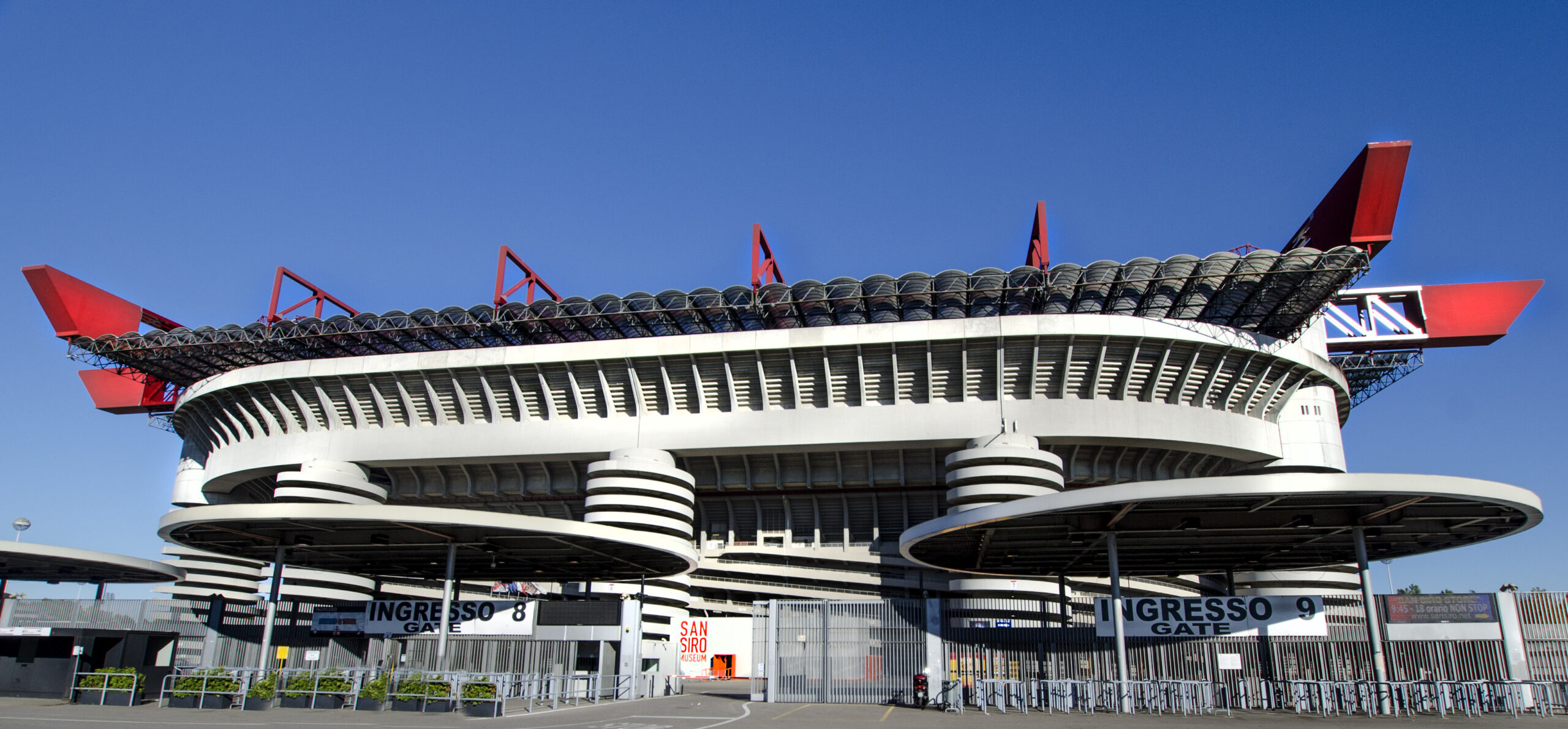
San Siro has served as the shared home of AC Milan and Inter for generations, making it one of the rare venues where two globally important clubs built separate histories under the same roof. The stadium opened in 1926, expanded repeatedly and gained its third tier and roof ahead of the 1990 World Cup.
Its spiral access towers, red roof trusses and steep bowls create one of football’s most identifiable silhouettes. The Derby della Madonnina gives the building an added layer of meaning because the same stadium can feel like two different homes depending on which half of Milan is hosting.
Whatever eventually happens to the site as Milan’s stadium future evolves, San Siro’s place in football architecture and culture is already secure.
8. Signal Iduna Park — Dortmund, Germany
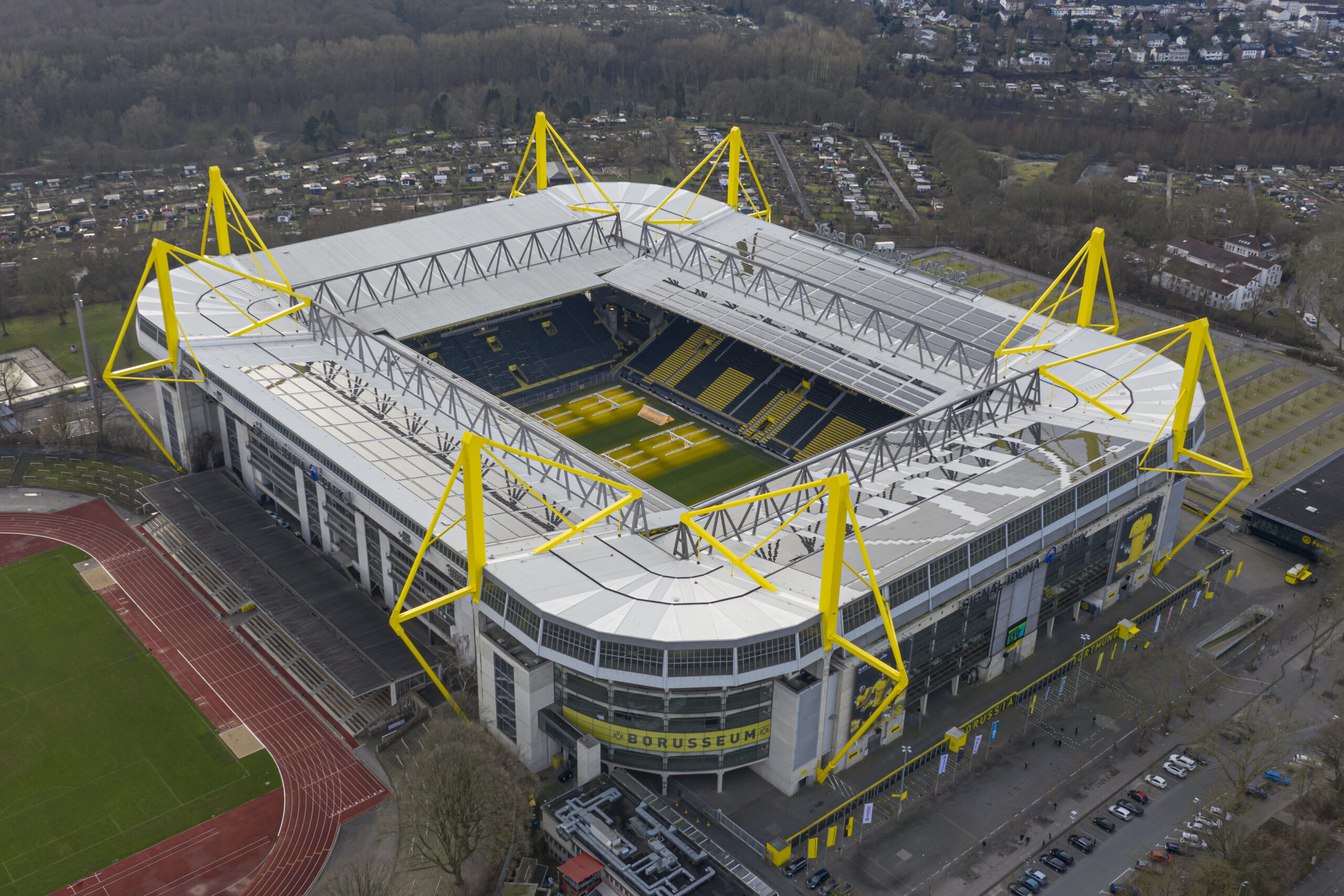
Signal Iduna Park is one of the strongest examples of a stadium whose identity is built around its supporters. Borussia Dortmund lists normal capacity at 81,365, and the South Stand — better known as the Yellow Wall — creates one of the most recognizable supporter backdrops in European football.
The power of the venue comes from repetition. Bundesliga weekends, Champions League nights and derby matches consistently turn the stadium into a coordinated wall of yellow and black. That atmosphere has become part of Dortmund’s global brand and a reason neutral fans put the stadium on travel lists.
Other grounds may have more history or grander architecture, but few deliver supporter culture at this scale so consistently.
9. Anfield — Liverpool, England
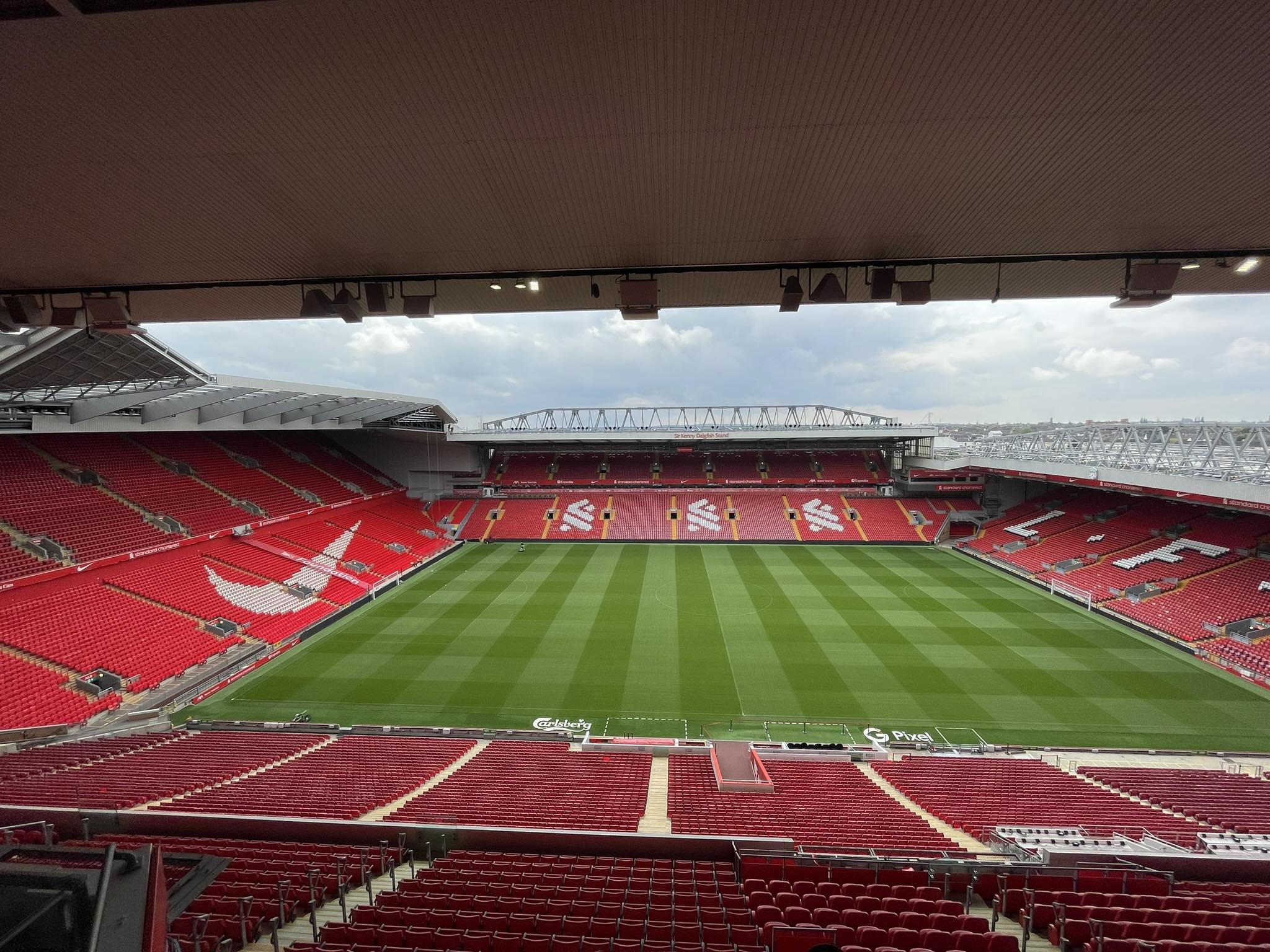
Anfield’s international reputation rests on the combination of Liverpool FC’s history and a match-day culture built around the Kop. The stadium has been Liverpool’s home since the club’s formation in 1892, and the Kop itself has roots stretching back more than a century.
Recent redevelopment pushed capacity above 60,000, with Liverpool confirming 61,276 ahead of the 2024-25 season. Expansion changed the scale without removing the rituals that define the venue: the This Is Anfield sign, the Kop, European-night tension and the pre-match singing of You’ll Never Walk Alone.
Anfield is not the biggest stadium on this list. Its greatness comes from how much meaning is packed into a relatively compact football ground.
10. FNB Stadium / Soccer City — Johannesburg, South Africa
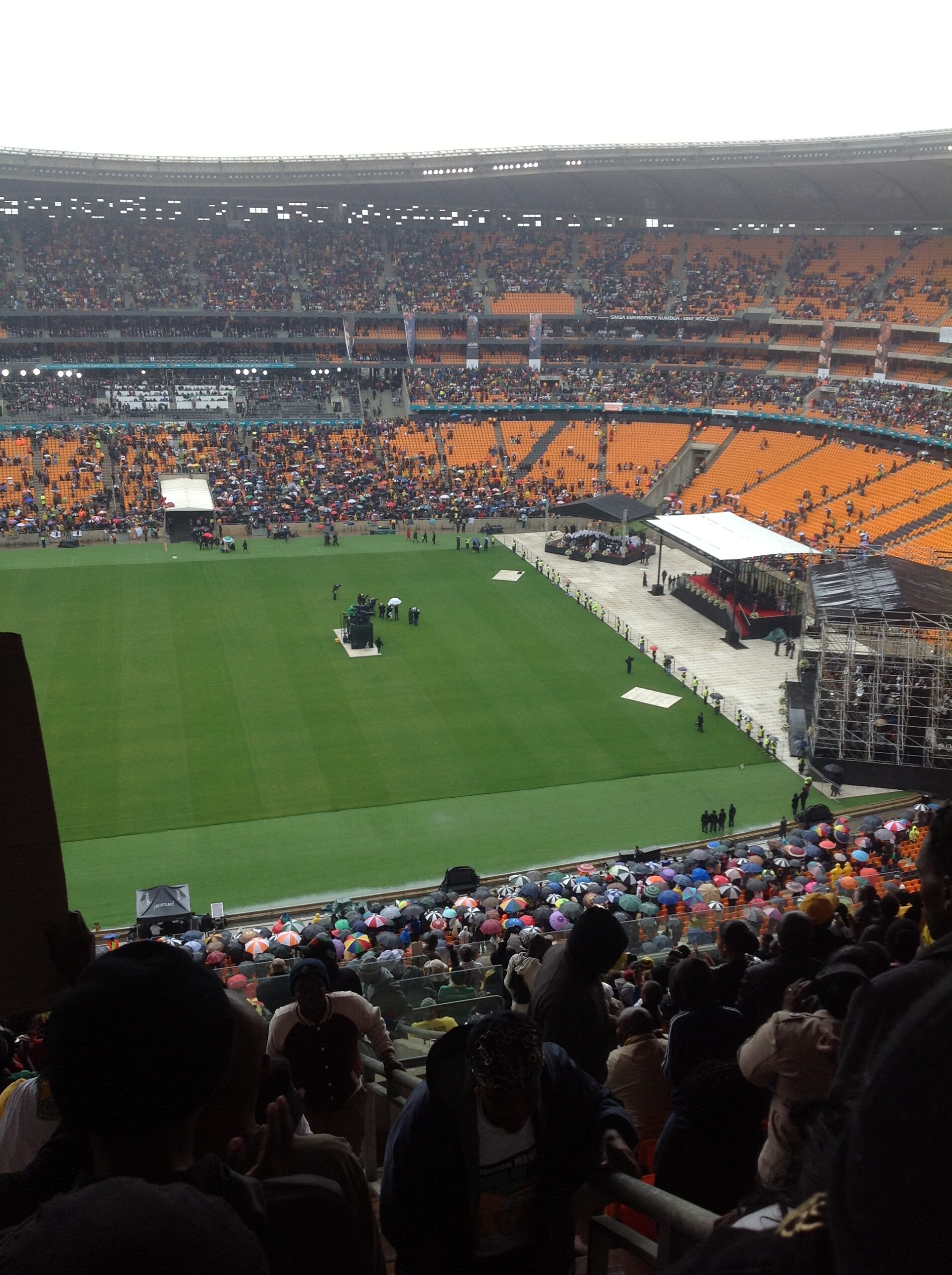
FNB Stadium earns the final spot because few modern football venues are tied to a single tournament as powerfully as Soccer City is tied to the 2010 World Cup. The calabash-inspired exterior became one of the visual symbols of the first men’s World Cup staged in Africa.
The stadium hosted both the opening match and the final, where Spain defeated the Netherlands to win its first World Cup. It has also been a stage for South African football and major national events, giving it meaning that extends beyond one month in 2010.
As a symbol of African football on the world stage, FNB Stadium gives this ranking an essential geographic and cultural dimension.
Which soccer stadium has the best atmosphere?
There is no single objective winner because atmosphere changes by opponent, competition and supporter section. For sustained supporter intensity, La Bombonera and Signal Iduna Park are exceptionally difficult to beat. For major finals and global ceremony, Wembley and the Maracanã carry a different kind of pressure.
FAQ
What is the most famous soccer stadium in the world?
Wembley, the Maracanã, Camp Nou and Estadio Azteca all have credible claims. Wembley ranks first here because of its global recognition, national significance and long history of major finals.
What is the largest stadium on this list?
Capacity depends on configuration and ongoing renovation. Several venues can hold more than 80,000, while Camp Nou is being expanded through the Espai Barça project. This ranking is based on greatness, not raw capacity.
Why is La Bombonera ranked so highly if it is smaller?
Because its steep shape, proximity to the field, neighborhood setting and supporter culture create an experience that is disproportionately powerful for its size.
Why is FNB Stadium included?
Its role in the 2010 World Cup, landmark African architecture and significance as the stage for the tournament’s opening and final give it a place in global football history.
Final ranking
The greatest soccer stadiums are not simply buildings. They are places where football history becomes physical. Wembley carries national ceremony. The Maracanã carries World Cup memory. Camp Nou and the Bernabéu carry club dynasties. La Bombonera, Dortmund and Anfield turn supporter culture into part of the contest itself.
That is why this list favors stadiums whose identities remain unmistakable across generations — and why the debate will always be part of the fun.
Sources
- Wembley Stadium — Our Story
- FC Barcelona — Spotify Camp Nou Phase 1C
- Real Madrid — Santiago Bernabéu history
- FIFA — Mexico City Stadium
- Boca Juniors — La Bombonera
- San Siro — Stadium history
- Borussia Dortmund — Signal Iduna Park visitor information
- Liverpool FC — Anfield capacity
Image credits & licensing
Images are locally hosted from separately licensed Wikimedia Commons files. Wembley inline: Sludge G, CC BY-SA 2.0. Maracanã: Arthur Boppré, Creative Commons via Wikimedia Commons. Camp Nou: Wikimedia Commons licensed image. Santiago Bernabéu: Wikimedia Commons licensed image. Mexico City Stadium: ProtoplasmaKid, Creative Commons. La Bombonera: Wikimedia Commons licensed aerial image. San Siro: Wikimedia Commons licensed image. Signal Iduna Park: Wikimedia Commons licensed image. Anfield: Wikimedia Commons licensed image. FNB Stadium: Wikimedia Commons licensed image. Featured Wembley image: Anthony Foster / Geograph, CC BY-SA 2.0.