
Hey, just so you know, some of the links on this site are affiliate links. That means I may earn a small commission if you buy something through them. It doesn’t cost you anything extra, and it helps me keep this site running. Thanks for your support!
Major League Baseball has something most sports leagues cannot match: a collection of ballparks that feel completely different from one another. Some are more than a century old. Others are modern waterfront showcases. The best parks are not just places to watch nine innings — they are destinations built around neighborhoods, traditions, architecture, food, views and the rhythm of baseball itself.
SportsyVibe ranked these ballparks using five factors: game-day atmosphere, architectural character, setting and views, baseball history, and overall fan-trip value. This is not a ranking of the newest stadiums or the largest capacities. It is a list of places where the ballpark experience itself is worth the trip.
For more venue coverage, visit the SportsyVibe Stadiums & Arenas hub, our guide to the largest college football stadiums in America, and the most iconic sports stadiums in the world.
| Rank | Ballpark | City | Opened | Why fans should visit |
|---|---|---|---|---|
| 1 | PNC Park | Pittsburgh | 2001 | Skyline, riverfront setting and intimate sightlines. |
| 2 | Wrigley Field | Chicago | 1914 | Ivy, neighborhood baseball and more than a century of history. |
| 3 | Fenway Park | Boston | 1912 | The Green Monster, quirks and the oldest MLB ballpark. |
| 4 | Oracle Park | San Francisco | 2000 | Bay views, splash hits and waterfront baseball. |
| 5 | Petco Park | San Diego | 2004 | Downtown location, weather, food and indoor-outdoor design. |
| 6 | Oriole Park at Camden Yards | Baltimore | 1992 | The warehouse and the modern retro-ballpark blueprint. |
| 7 | Dodger Stadium | Los Angeles | 1962 | Mid-century character, mountain views and Dodgers history. |
| 8 | T-Mobile Park | Seattle | 1999 | Retractable roof, Northwest character and city views. |
| 9 | Coors Field | Denver | 1995 | Rocky Mountain views and a lively LoDo setting. |
| 10 | Busch Stadium | St. Louis | 2006 | Cardinals tradition and the Gateway Arch skyline. |
1. PNC Park — Pittsburgh, Pennsylvania
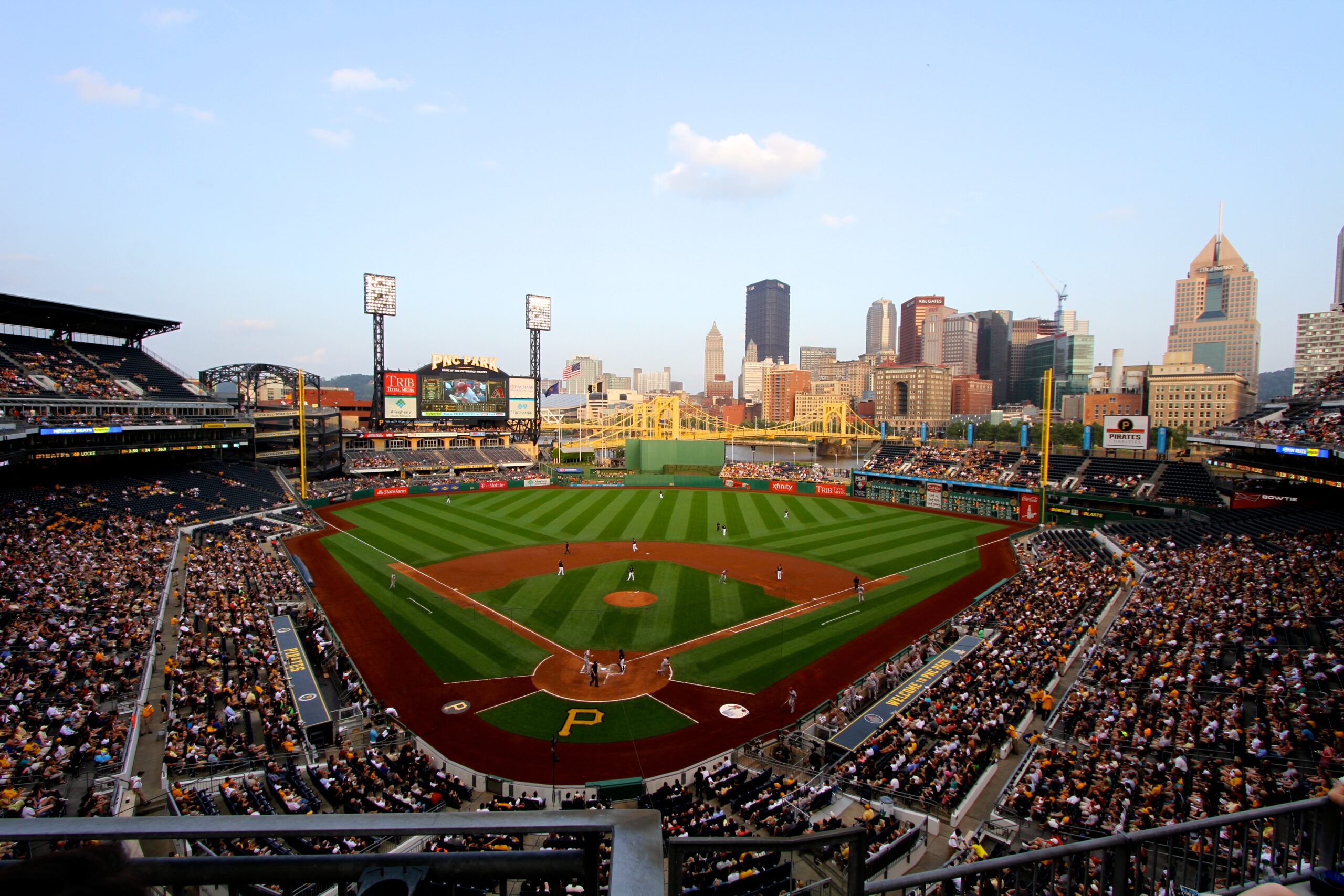
PNC Park is the ballpark where the view can compete with the game. Opened in 2001 on Pittsburgh’s North Shore, it places the Allegheny River, Roberto Clemente Bridge and downtown skyline directly into the outfield sightline. The Pirates list an intimate capacity of roughly 38,000, which helps the building feel close to the field instead of oversized.
The trip is strongest when fans approach from downtown and cross the Clemente Bridge on foot. That walk turns the stadium into part of the city rather than an isolated facility. Inside, the two-deck design keeps the upper level lower than many modern parks, and the riverfront location gives even ordinary regular-season games a destination feel.
Best reason to go: the complete city-plus-ballpark setting. If a baseball fan has time for only one scenic MLB trip, PNC Park is difficult to beat.
2. Wrigley Field — Chicago, Illinois
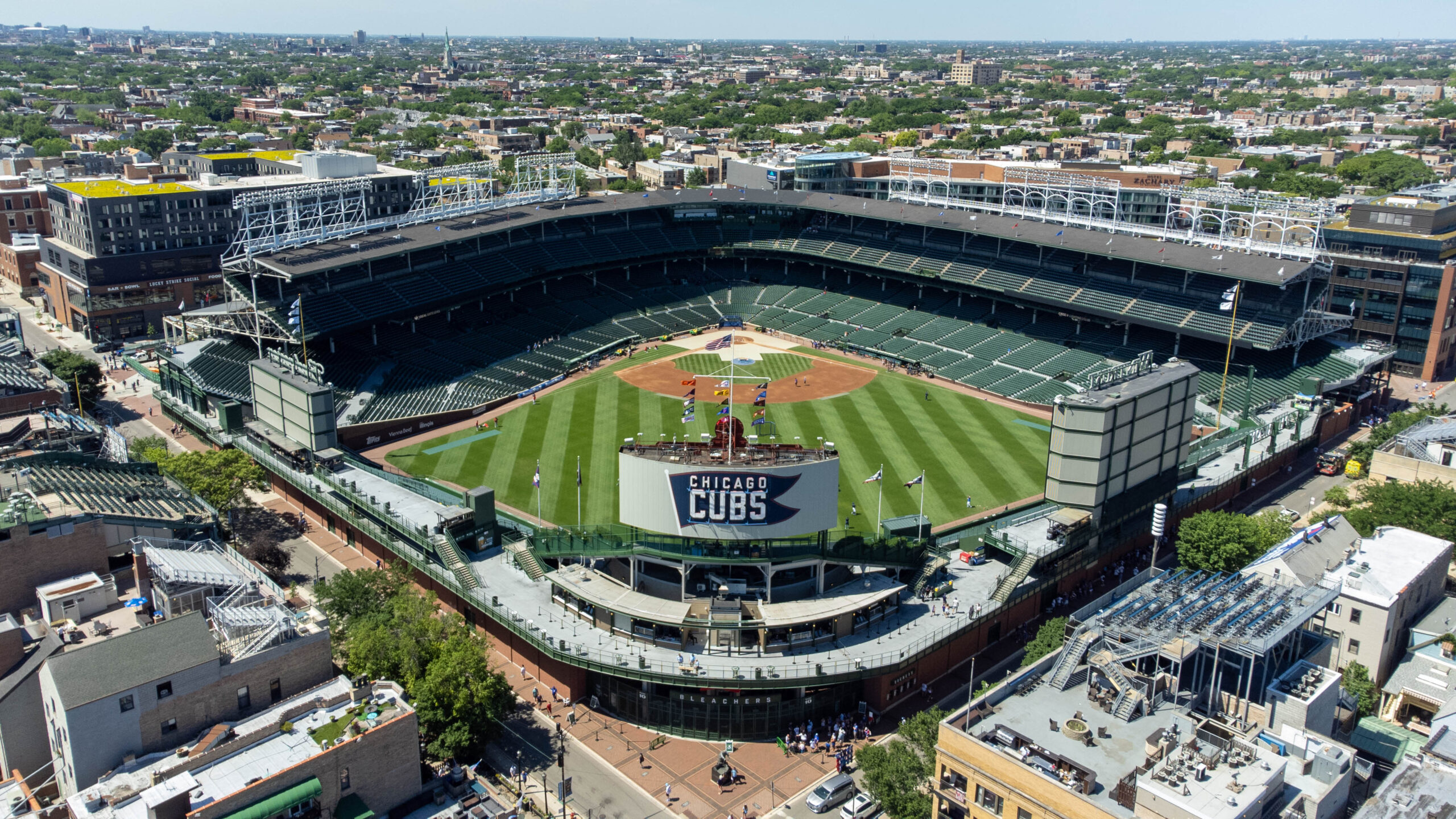
Wrigley Field opened in 1914 and remains one of baseball’s most recognizable places. The ivy-covered outfield walls, hand-operated center-field scoreboard, rooftop culture and surrounding Wrigleyville streets make the experience feel connected to baseball’s past without turning the stadium into a museum.
The Cubs’ multi-year restoration modernized the park while preserving its defining identity. That balance matters. Fans can still experience the tight neighborhood footprint, bleachers and old-school geometry, but with infrastructure capable of handling modern crowds.
Best reason to go: neighborhood baseball. Wrigley is one of the few major-league parks where the atmosphere begins several blocks before the gate.
3. Fenway Park — Boston, Massachusetts
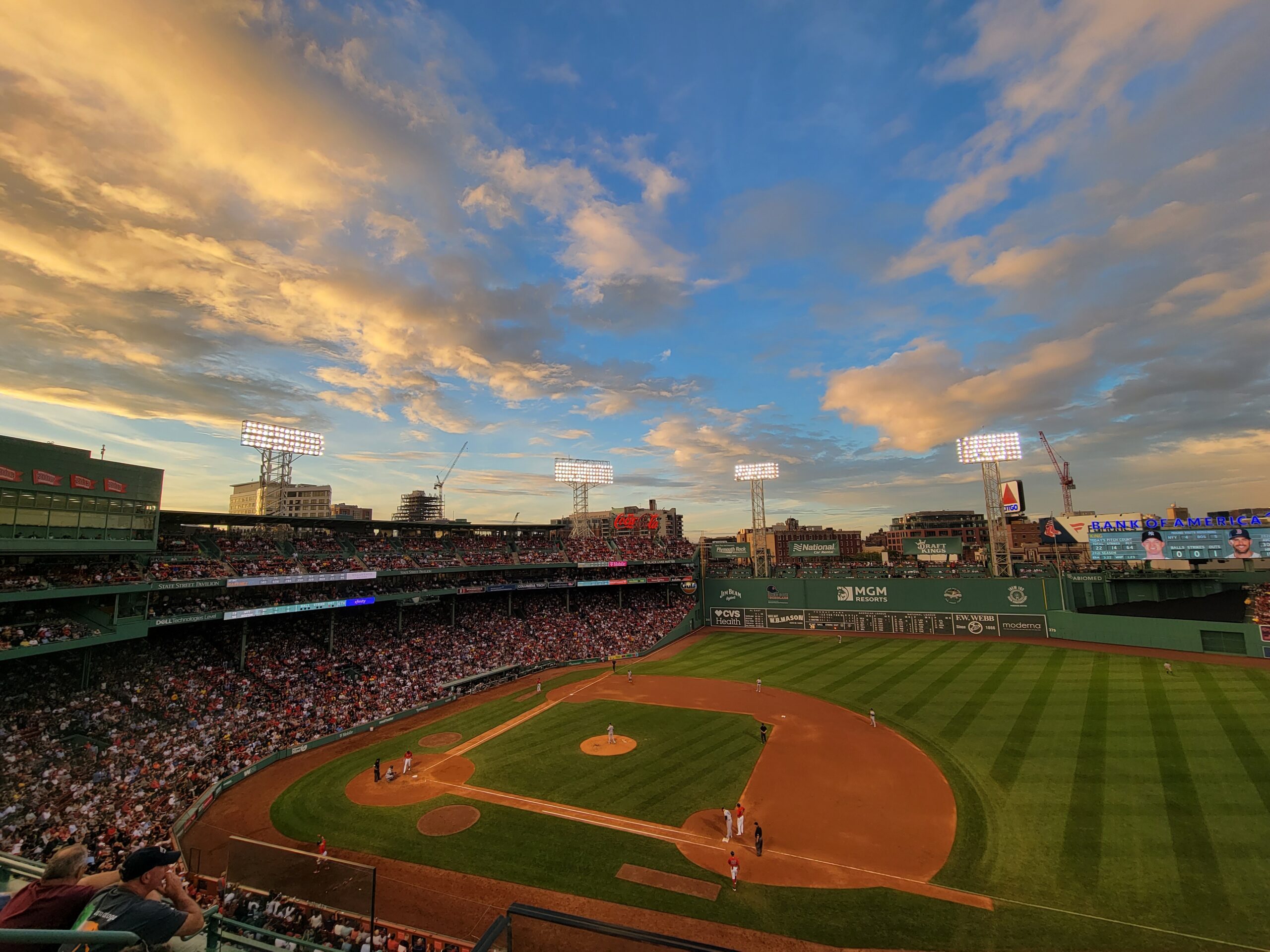
Fenway Park is the oldest ballpark still used in Major League Baseball, and almost every famous quirk is a product of its age and urban footprint. The Green Monster towers over left field, Pesky’s Pole compresses the right-field line, and the seating bowl contains angles that no modern designer would intentionally copy.
Those imperfections are the attraction. A game at Fenway is partly about seeing how baseball adapted to a constrained city block for more than a century. The Red Sox also operate year-round tours, making it possible to see the Green Monster and historic areas even when the team is away.
Best reason to go: living baseball history. Fenway does not recreate old baseball; it is old baseball that never stopped functioning.
Browse current Sports & Outdoors best sellers for stadium-day and travel essentials.
4. Oracle Park — San Francisco, California
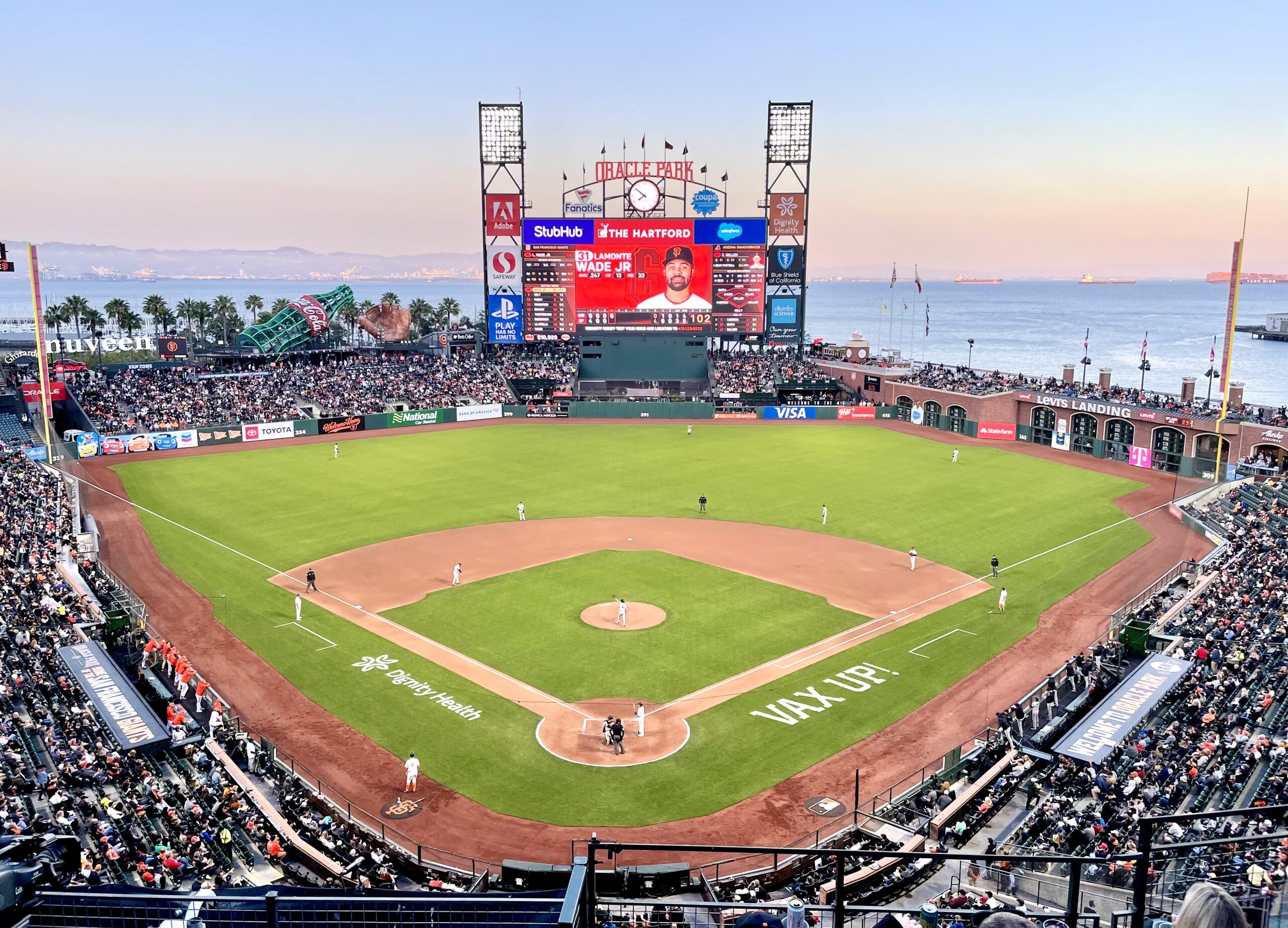
Oracle Park opened in 2000 and immediately established one of baseball’s most dramatic outfield settings. Right field backs up to McCovey Cove, where long home runs can become splash hits, while the upper decks reveal broad views of the bay and surrounding city.
The location is not just visual. Fans can arrive by transit, on foot, by bike or even by ferry, giving the ballpark a distinctly San Francisco identity. The Giants also offer behind-the-scenes tours that include field-level areas, dugouts and historical displays.
Best reason to go: waterfront baseball with a sense of place. Oracle Park could not simply be moved to another city and feel the same.
5. Petco Park — San Diego, California
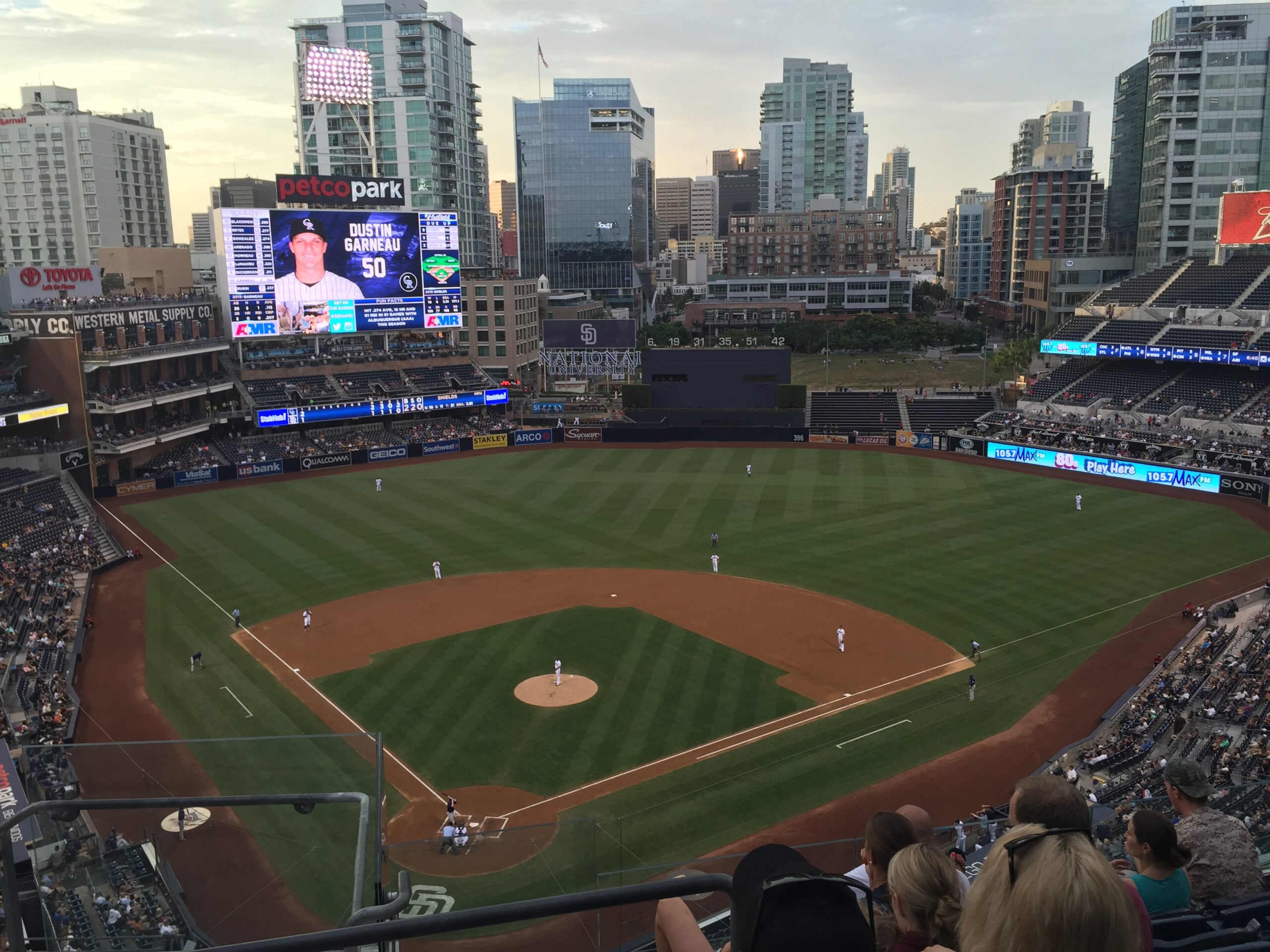
Petco Park combines modern comfort with one of the strongest downtown locations in baseball. Opened in 2004, it sits next to the Gaslamp Quarter and incorporates the historic Western Metal Supply Co. Building into the left-field corner instead of treating the surrounding city as something to hide.
San Diego’s climate helps the park function as an outdoor gathering place rather than just a stadium. The Padres actively market daily and pregame tours, and the surrounding restaurants, hotels and nightlife make it easy to build an entire weekend around a game.
Best reason to go: overall trip quality. Petco is a strong choice for fans who want baseball, food, downtown walkability and Southern California weather in one package.
Explore Audible best sellers in Sports & Outdoors for biographies, baseball history and long-form sports listening.
6. Oriole Park at Camden Yards — Baltimore, Maryland
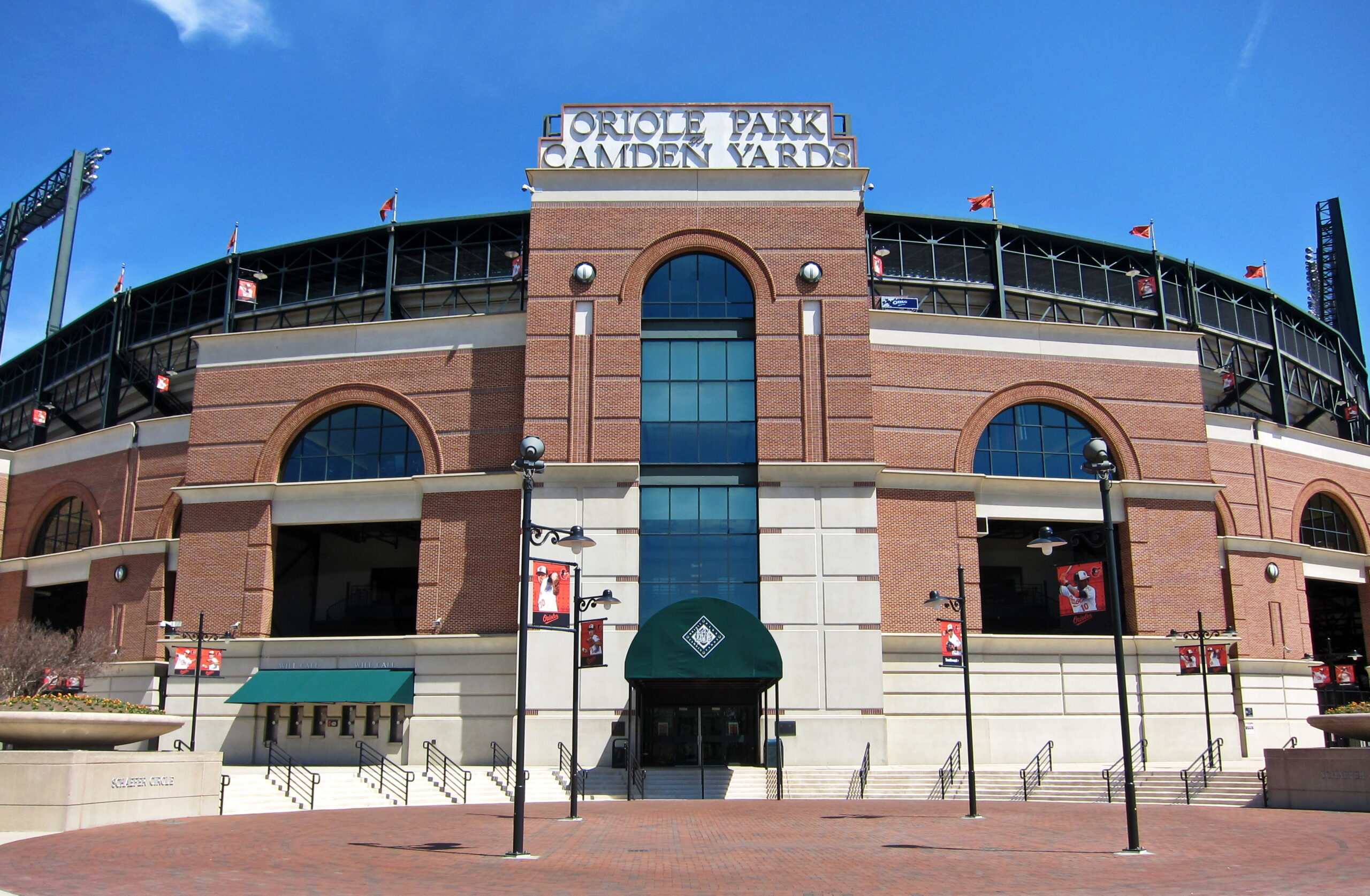
When Camden Yards opened in 1992, it changed the direction of stadium design. Instead of another symmetrical multipurpose bowl, Baltimore built a baseball-specific park around the existing B&O Warehouse and downtown street grid. The result became the template for the retro-classic wave that followed across Major League Baseball.
The park’s Eutaw Street promenade, brick architecture and warehouse backdrop remain its defining features. Recent renovations have updated social spaces and amenities without abandoning the look that made the building influential.
Best reason to go: architectural importance. Fans can see the ballpark that helped convince an entire generation of MLB teams that stadiums should feel connected to their cities again.
7. Dodger Stadium — Los Angeles, California
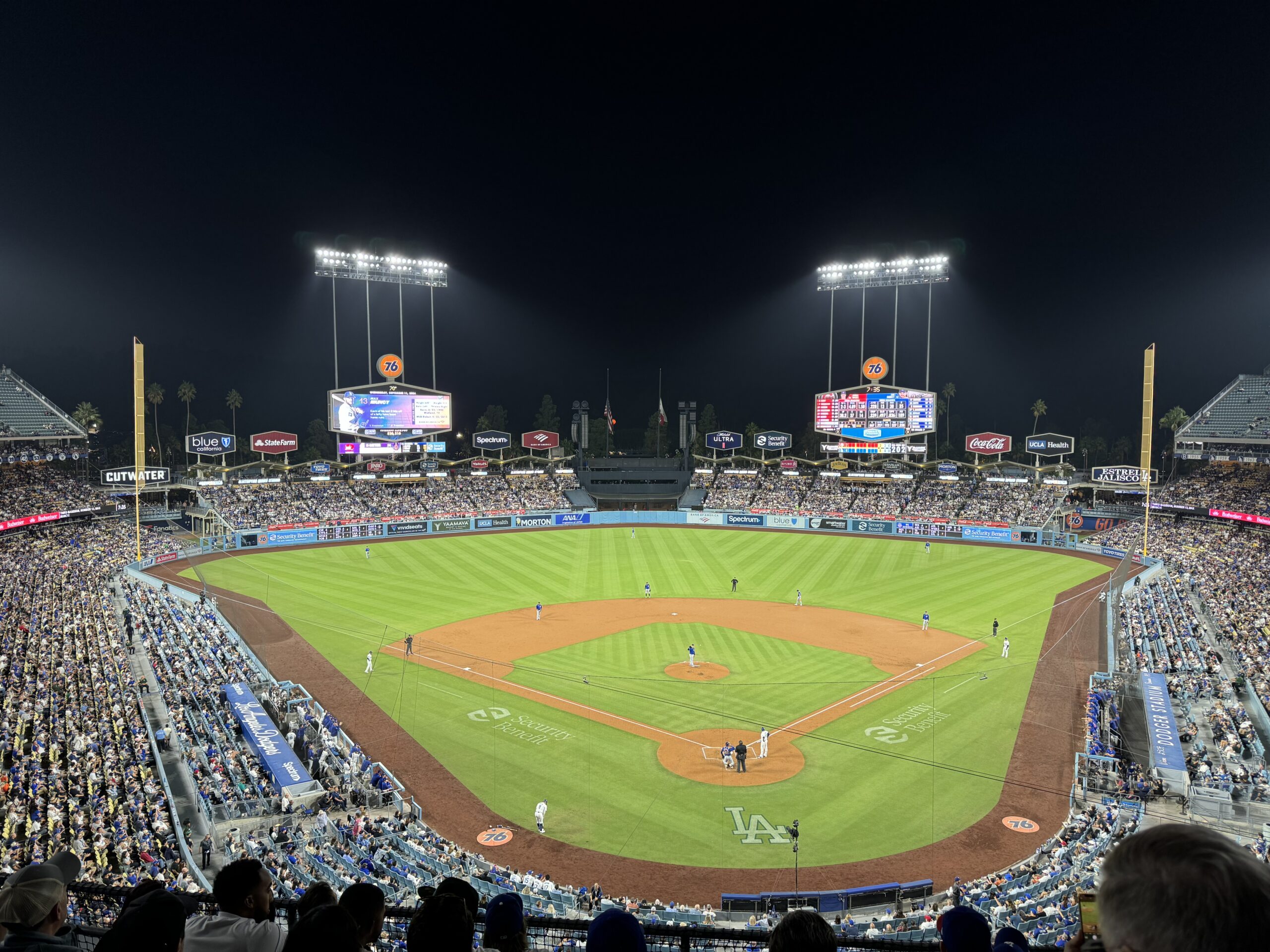
Dodger Stadium opened in 1962 and remains one of the few mid-century baseball parks still operating at the highest level. Built into Chavez Ravine, the stadium uses terraced entrances and hillside geometry to create a visual identity unlike the urban retro parks that came decades later.
The Dodgers have continued modernizing the park while protecting its core look. Centerfield Plaza, upgraded concourses and fan spaces make the venue easier to navigate, but the pastel seating, mountain backdrop and long history still define the experience.
Best reason to go: classic West Coast baseball. Sunset over the San Gabriel Mountains followed by a night game is one of MLB’s signature visual experiences.
8. T-Mobile Park — Seattle, Washington
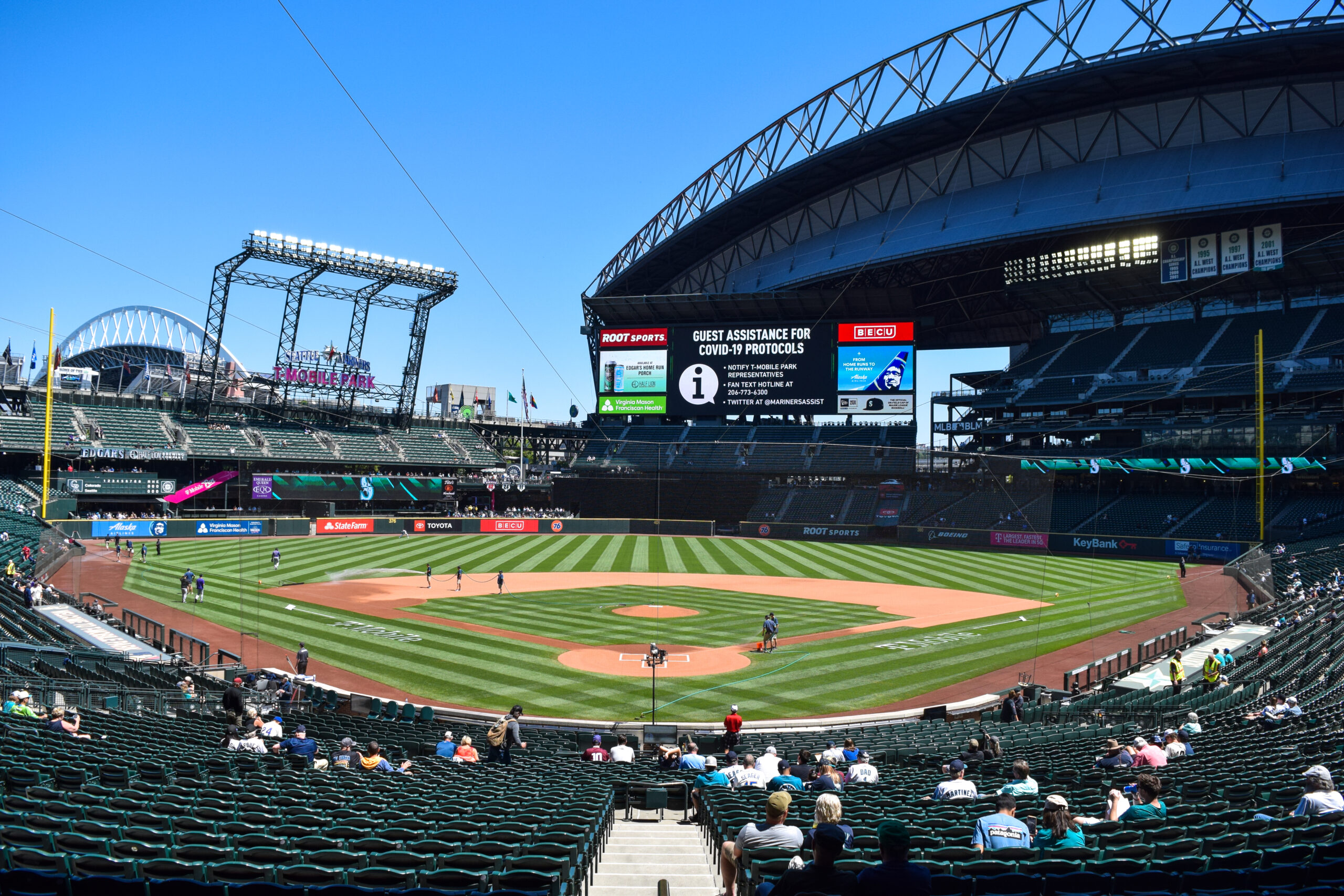
T-Mobile Park gives Seattle the best of both worlds: outdoor baseball when the weather cooperates and a retractable roof when Pacific Northwest rain arrives. Unlike fully enclosed domes, the roof acts more like an umbrella sliding over the park, preserving the connection to the city.
The surrounding SoDo location, views toward downtown and distinctive roof structure give the ballpark a strong identity. Mariners tours also take fans into areas normally restricted on game days, including the warning track and club spaces when available.
Best reason to go: engineering and atmosphere. It is one of the best examples of weather protection that does not sacrifice the feeling of an outdoor ballpark.
9. Coors Field — Denver, Colorado
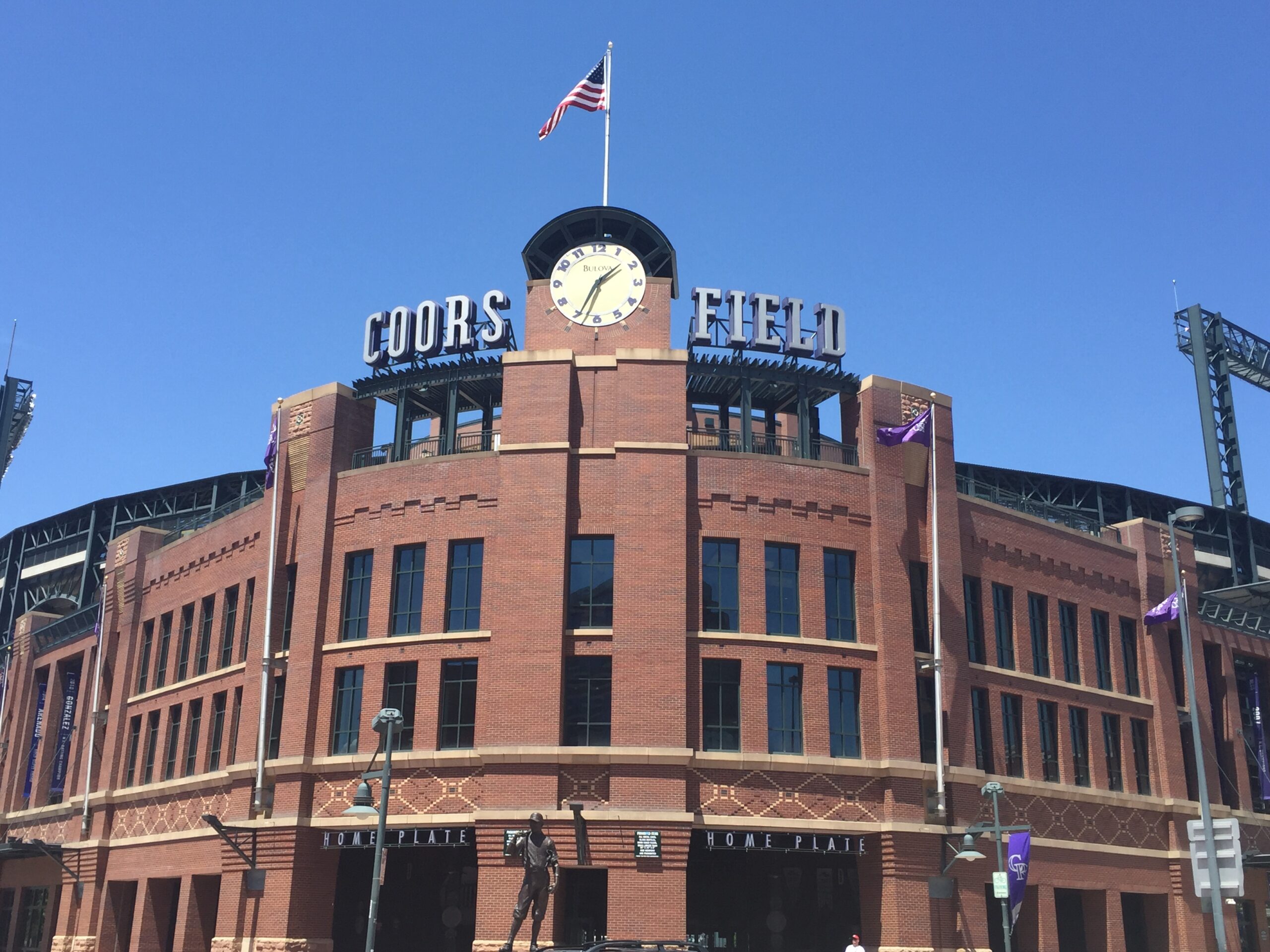
Coors Field opened in 1995 in Denver’s Lower Downtown district and quickly became one of the league’s most recognizable high-altitude parks. The first-base and right-field sides can deliver views toward the Rocky Mountains, while the neighborhood surrounding the stadium makes it easy to walk from restaurants and downtown attractions.
The altitude is part of the mythology: baseball travels differently in Denver’s thin air, shaping both strategy and expectations. But the fan value is broader than home-run talk. The Rooftop social area, downtown setting and tour program make Coors Field a strong destination even for neutral fans.
Best reason to go: a distinctly Colorado baseball experience, from the mountain references to the mile-high purple seat marking the 5,280-foot elevation level.
10. Busch Stadium — St. Louis, Missouri
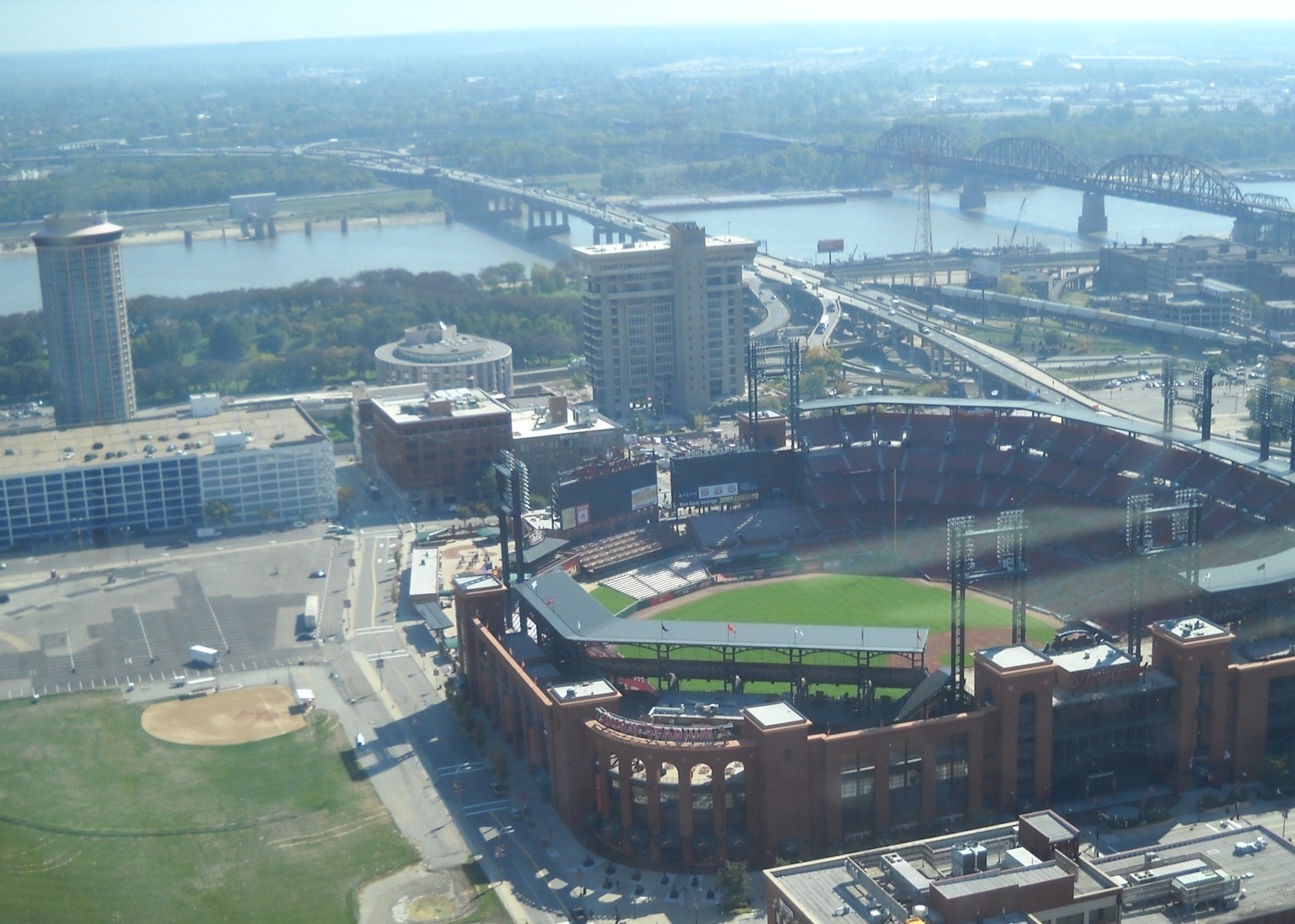
Busch Stadium opened in 2006 and immediately tied itself to one of baseball’s deepest fan cultures. The park faces downtown St. Louis, with the Gateway Arch appearing beyond the outfield from many viewpoints, while Ballpark Village extends the Cardinals experience outside the gates.
The franchise’s history gives even ordinary games a sense of continuity. Tours emphasize Cardinals history, club spaces, the broadcast booth, warning track and the team museum, depending on availability. The current stadium may be modern, but the organization has intentionally built the experience around generations of St. Louis baseball tradition.
Best reason to go: fan culture. Few markets make baseball feel as central to the city’s identity as St. Louis does.
Browse sports and outdoors book best sellers for baseball history, biographies and ballpark stories.
How we ranked the best MLB ballparks to visit
This ranking rewards the full trip, not just the seat. A ballpark gains value when the surrounding neighborhood, arrival experience, architecture, history and in-game atmosphere reinforce one another. That is why several older parks outrank newer facilities with more luxury space, and why scenery-heavy parks such as PNC and Oracle perform so well.
There is also no single correct order. A history-first fan may put Fenway or Wrigley at No. 1, while a traveler focused on weather and nightlife may favor Petco. The ranking is meant to identify the parks that offer the strongest reasons to plan a baseball trip around them.
Frequently Asked Questions
What is the best MLB ballpark to visit?
SportsyVibe ranks PNC Park No. 1 because its intimate seating, Allegheny River location, Roberto Clemente Bridge approach and Pittsburgh skyline create one of the most complete ballpark settings in baseball.
What is the oldest MLB ballpark?
Fenway Park opened in 1912 and is the oldest Major League Baseball ballpark still in use. Wrigley Field opened two years later in 1914.
Which MLB ballpark has the best view?
PNC Park and Oracle Park are the strongest scenic contenders in this ranking. PNC looks toward downtown Pittsburgh across the Allegheny River, while Oracle Park opens toward San Francisco Bay and McCovey Cove.
Which MLB ballpark is best for a full weekend trip?
Petco Park is especially strong for a weekend because it sits downtown next to San Diego’s Gaslamp Quarter, with hotels, restaurants and other attractions within an easy walk.
Why is Camden Yards historically important?
Oriole Park at Camden Yards helped redefine modern baseball stadium design when it opened in 1992. Its baseball-specific geometry, brick architecture and integration with the B&O Warehouse influenced many of the retro-style ballparks built afterward.
Final word
The best MLB ballpark trips work because the stadium is only one part of the experience. Pittsburgh gives fans a bridge and skyline. Chicago and Boston give them neighborhoods and more than a century of baseball memory. San Francisco and San Diego connect the game to waterfront and downtown life. Baltimore, Los Angeles, Seattle, Denver and St. Louis each bring a different regional identity.
That variety is one of baseball’s advantages. Visiting another team’s park does not feel like seeing the same building in a different color scheme. For fans who want to understand the sport beyond television, these ten ballparks are a strong place to start.
Sources
- Pittsburgh Pirates — PNC Park Facts
- Chicago Cubs — Wrigley Field History
- Boston Red Sox — Fenway Park Tours
- San Francisco Giants — Oracle Park
- San Diego Padres — Petco Park Tours
- Baltimore Orioles — Oriole Park at Camden Yards
- Los Angeles Dodgers — Dodger Stadium History
- Seattle Mariners — T-Mobile Park Tours
- Colorado Rockies — Coors Field Information
- St. Louis Cardinals — Busch Stadium
Image credits & licensing
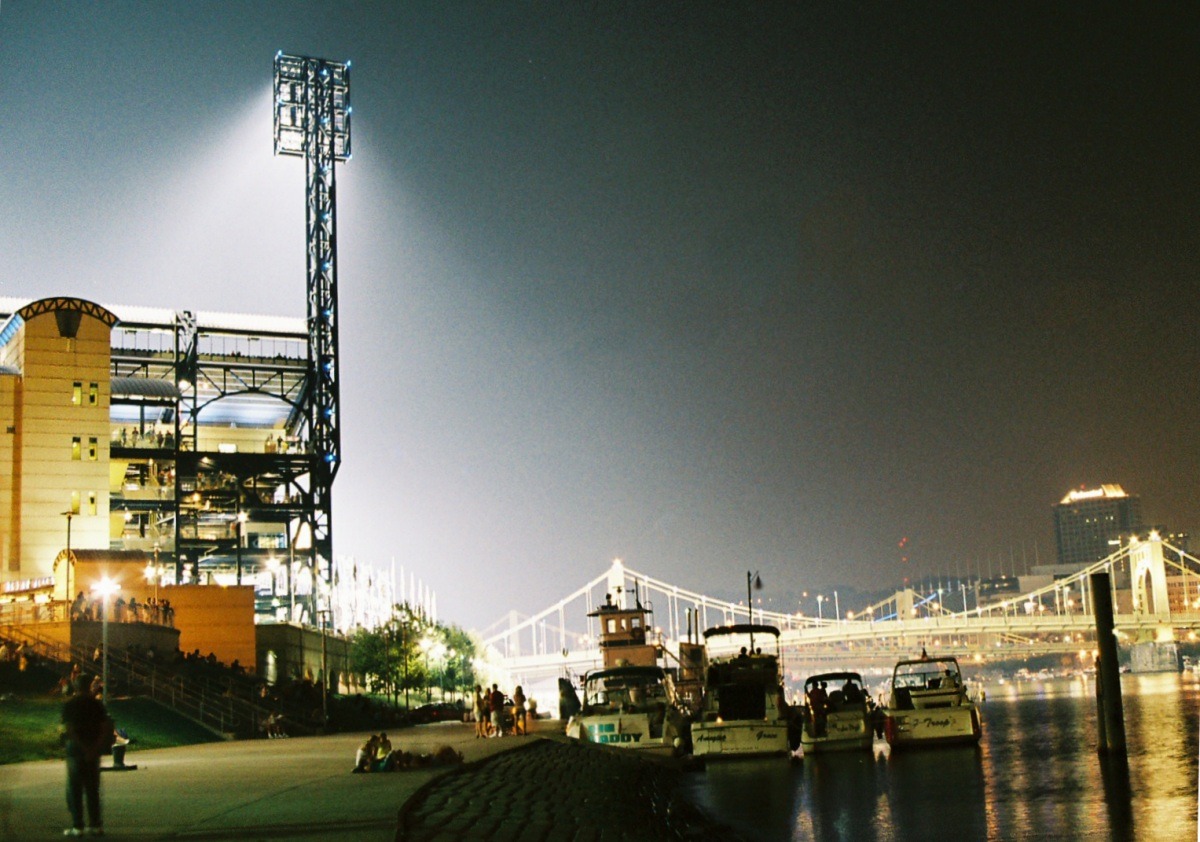
Featured image: crcollins, PNC Park at Night, CC BY-SA 2.0 via Wikimedia Commons. PNC Park: Dan Gaken via Wikimedia Commons. Wrigley Field: Sea Cow via Wikimedia Commons. Fenway Park: Wikimedia Commons. Oracle Park: Wikimedia Commons. Petco Park: Lahti213 via Wikimedia Commons. Camden Yards: Wikimedia Commons. Dodger Stadium: Sammythecat7 via Wikimedia Commons. T-Mobile Park: Ian D’Andrea via Wikimedia Commons. Coors Field: Wikimedia Commons. Busch Stadium: AfricanGeo via Wikimedia Commons. Full file-level licensing and attribution details are retained on the corresponding Wikimedia Commons source pages.