
Hey, just so you know, some of the links on this site are affiliate links. That means I may earn a small commission if you buy something through them. It doesn’t cost you anything extra, and it helps me keep this site running. Thanks for your support!
Sports media rights are the legal agreements that determine who is allowed to show a game or event, on which platforms, in which territories, and under what conditions. They are the reason one league can appear on broadcast television, cable, a paid streaming service and a free FAST channel at the same time — while the actual live-game inventory remains divided among different partners.
Understanding those rights makes modern sports viewing much easier to decode.
Disclosure: SportsyVibe may earn a commission from qualifying purchases made through links in this article, at no extra cost to you. As an Amazon Associate, we earn from qualifying purchases.

What does a sports media-rights deal actually grant?
A league, conference, team or event organizer can license media rights to one or more partners. A deal may cover live games, highlights, shoulder programming, replays, archives, digital clips, radio, international territories or specific devices. Rights can also be exclusive or non-exclusive.
That means a network’s logo appearing next to a league does not automatically mean the network owns every right associated with that league. A partner may control only a defined package.
Broadcast television rights
Broadcast rights place games on over-the-air networks that can be received with an antenna in local markets and are also commonly carried by cable, satellite and streaming-TV bundles. Major sports packages often use broadcast networks for high-reach events.
For example, the NBA’s current national agreements include ABC and NBC alongside streaming partners. The exact games assigned to those networks are governed by the league’s rights agreements and schedule.
Cable and pay-TV rights
Cable rights traditionally place games on national or regional channels available through television packages. Networks such as ESPN, league-owned channels and other sports networks may receive specific game windows, studio rights or postseason inventory.
Even as streaming expands, cable-style rights remain relevant because many agreements still distribute the same event across a linear channel and an authenticated streaming service.
Streaming rights
Streaming rights allow games or related programming to appear on internet-delivered services. These rights can belong to a traditional media company’s streaming product, a technology platform, or a league’s own direct-to-consumer service.
The NBA’s 11-year national agreements, for instance, distribute national games across Disney platforms, NBC/Peacock and Prime Video beginning with the 2025-26 season. MLB’s 2026-28 agreements similarly divide packages among ESPN, NBCUniversal and Netflix, while MLB.TV remains a separate out-of-market product distributed through ESPN under the current arrangement.
This is why fans should verify the specific game rather than assuming one subscription covers an entire league.
What are FAST rights?
FAST means free ad-supported streaming television. FAST channels resemble traditional linear television because programming runs continuously, but they are delivered through internet-connected platforms and are free to viewers with advertising support.
A league can operate a FAST channel without giving that channel live rights to its main games. The NFL Channel is a clear example: the NFL describes it as a free 24/7 channel with replays, original shows and live game-day coverage, while explicitly stating that it does not carry live NFL games.
Other leagues may place selected live events on their free channels. The key point is that FAST distribution and live-game rights are separate questions.
National vs local rights
National rights usually cover games distributed across a country through league-level partners. Local or regional rights cover a team’s games in its home territory. Those systems can overlap, with national exclusivity sometimes taking priority over a local telecast.
MLB’s current landscape illustrates this complexity. Some clubs use league-produced local distribution, while national packages sit with separate partners. Fans may therefore need a local product for most regular-season games and a national service for selected exclusive games.
Out-of-market rights and blackouts
Out-of-market products are designed for viewers outside a team’s home territory. They can be subject to national or local restrictions depending on the sport and current agreement. A direct-to-consumer service should never be assumed to override every territorial rule.
Because blackout and exclusivity policies can change, SportsyVibe treats them as current facts that require fresh verification rather than evergreen assumptions.
Why one game may appear on several services
A single event can be simulcast across multiple outlets when the rights agreement permits it. A broadcast network may show the game over the air while its companion streaming service carries the same telecast. In other cases, one platform may have exclusive rights and no parallel feed is permitted.
The important distinction is between distribution and ownership of the licensed package. A service may carry a feed because it has contractual distribution rights, not because it owns every underlying league right.
How fans should verify where a game is airing
- Start with the official league or team schedule.
- Look for the listed national and local media partners for that specific game.
- Confirm whether the streaming service requires a paid subscription, authentication or is free.
- Check geographic restrictions if the game is local or out-of-market.
- For FAST channels, verify whether the listing is a live game, live studio coverage, replay or highlights package.
SportsyVibe’s FAST sports channel explainer provides more detail on the free-streaming side of the ecosystem.

Bottom line
Sports media rights are a package of permissions, not a single all-or-nothing ownership label. Broadcast, cable, streaming, local, out-of-market and FAST rights can all coexist, and each can cover different content. The safest rule for fans is simple: verify the specific game and current official rights information rather than relying on a network name or an old channel guide.

Related sports media guides
- NFL Network vs NFL Channel: What’s the Difference?
- NBA TV vs The NBA Channel: What’s the Difference?
Sources
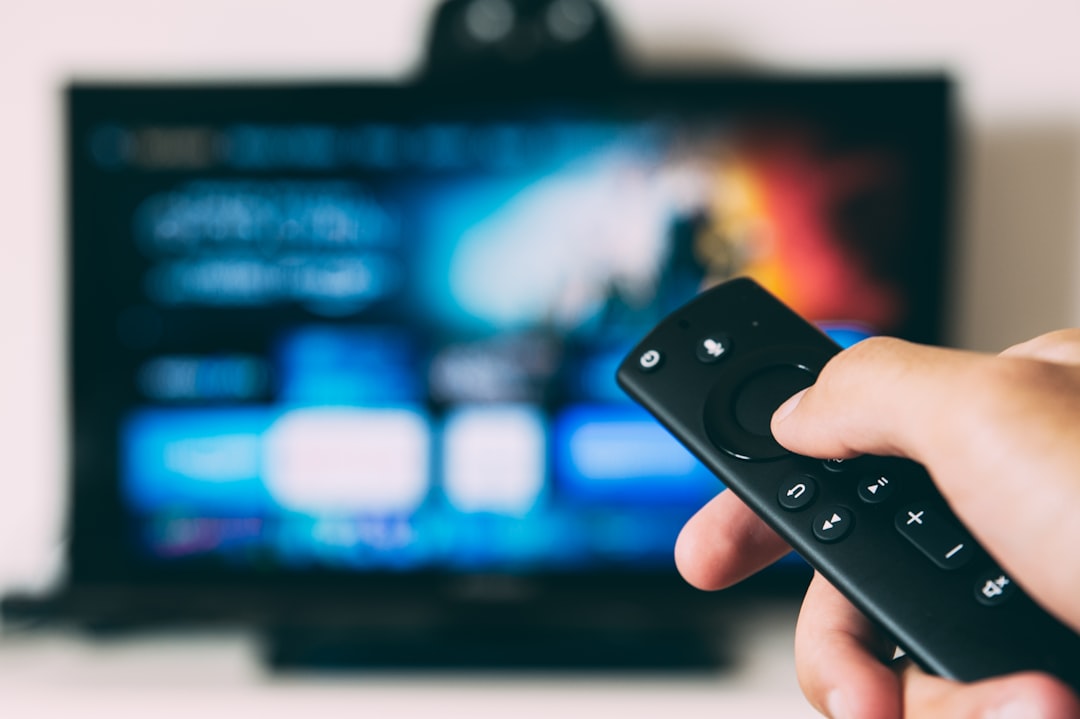
Image: generic television and streaming setup illustrating sports-media distribution. Photo by Glenn Carstens-Peters via Unsplash.