
Hey, just so you know, some of the links on this site are affiliate links. That means I may earn a small commission if you buy something through them. It doesn’t cost you anything extra, and it helps me keep this site running. Thanks for your support!
Sports video games are easier to understand when you stop treating them as one category. A football simulation, a soccer live-service game, a basketball career title and a racing simulator may all sit under the ‘sports games’ label, but they deliver very different experiences.
This guide organizes the major franchise types by sport and gives fans a practical way to compare them without relying on review scores, hype cycles or outdated edition-by-edition assumptions.

American football: Madden NFL and EA Sports College Football
The modern American-football landscape is anchored by EA’s two major franchises. Madden NFL focuses on the NFL, professional franchises, Franchise mode, Superstar and Ultimate Team. EA Sports College Football focuses on college programs, recruiting, Dynasty, Road to Glory and campus football culture.
The core mechanics overlap, but the long-term fantasy is different. Madden is about operating in the professional league. College Football is about building and developing a program.
SportsyVibe compares them directly in Madden NFL vs EA Sports College Football.
Soccer: EA Sports FC and eFootball
Soccer gaming has two very different flagship models. EA Sports FC is a premium annual release with broad modes and a large licensed-football presentation. eFootball is Konami’s free-to-play live-service platform, updated through seasonal versions, events and gameplay changes.
That business-model difference is as important as any gameplay debate. Fans who want a broad yearly package may lean toward FC, while players who prefer free entry and a continuously updated online ecosystem may prefer eFootball.
Our full comparison is available in EA Sports FC vs eFootball.
Basketball: NBA 2K and arcade alternatives
Basketball gaming typically divides into simulation-style products and more arcade-oriented experiences. The NBA 2K series is the dominant licensed simulation ecosystem, combining NBA presentation with modes built around career progression, franchise management and online competition.
Players should separate three questions when evaluating a basketball game: how the on-court simulation feels, how deep the offline modes are, and how aggressively the online progression system is monetized. Those are different criteria and should not be collapsed into one score.
Baseball: MLB The Show and baseball-specific simulations
Baseball games have a different rhythm from football or basketball because the sport itself is built around discrete pitcher-batter matchups, roster depth and statistical context. MLB The Show is the best-known modern licensed baseball simulation franchise in North America.
Baseball fans should consider hitting and pitching interfaces, franchise depth, player-development systems, roster updates and online card-team modes. Someone who wants a deep season simulation may value very different features from someone who only wants fast online games.
Hockey: NHL series and team-based ice-hockey play
EA’s NHL franchise remains the major console hockey simulation. Hockey games have to translate a fast continuous sport with line changes, positioning, checking, puck control and goaltending into responsive controls.
For new hockey fans, understanding the real positions can also make the games easier to read. SportsyVibe’s hockey positions explainer is a useful companion.
Motorsports: simulation is a spectrum
Racing games vary more than almost any other sports-game category. Some aim for accessible controller-friendly competition; others emphasize detailed vehicle setup, tire behavior, fuel strategy and realistic track physics.
Formula 1 games, NASCAR titles, rally games and broader circuit-racing simulators serve overlapping but distinct audiences. Before buying, fans should ask whether they want an officially licensed championship experience, a broad car-and-track collection, or a demanding simulation.
Combat sports: boxing, MMA and wrestling are not the same genre
Combat-sports games are often grouped together even though their rules and pacing differ dramatically. MMA games must account for striking, clinch work, takedowns, grappling and submissions. Boxing games can focus more deeply on footwork, punch selection, defense and stamina. Professional wrestling games add performance, character creation and entertainment-driven match types.
Fans should judge each game by how well it represents its own sport rather than expecting one control philosophy to work equally well across boxing, MMA and wrestling.
Golf and tennis: individual-sport games reward timing and feel
Golf and tennis games usually depend heavily on control feel. Golf titles may emphasize swing systems, shot shaping, course management and career progression. Tennis games live or die on movement, timing, court positioning and the distinction between different surfaces and play styles.
Because these sports are individual rather than team-based, career design and player progression often carry more weight than roster management.
Arcade sports games still matter
Not every sports fan wants a simulation. Arcade sports games simplify rules, exaggerate movement and prioritize quick competition. That can be a feature, not a flaw. A family or party game should not be judged by the same standards as a franchise-management simulation.
How to compare sports games intelligently
Start with the sport you actually follow, then compare the following:
- Simulation depth: How closely does the game try to model the real sport?
- Offline modes: Is there a meaningful career, franchise, season or tournament structure?
- Online model: Is the game centered on ranked competition, squad building or cooperative play?
- Business model: Premium annual release, free-to-play live service, subscription access or a hybrid?
- Licensing: Are the leagues, teams, athletes and venues you care about actually included?
- Platform support: Does the current edition run on the hardware you own?
- Update cadence: Does the title receive live roster, rules and seasonal updates?
Avoid outdated comparisons
Sports games change quickly. Annual franchises add or remove platforms and modes. Live-service games can change substantially without changing their core name. Licensing agreements expire. Online servers eventually close.
That is why SportsyVibe treats edition-specific platform lists, release dates and mode details as buyer-current information that should be reverified, while broader franchise comparisons remain evergreen.

Bottom line
There is no single ‘best sports game’ because sports games serve different fans. The useful question is which franchise best represents the sport, play style and level of commitment you want. Use franchise-level comparisons first, then verify the current edition before spending money or committing to a long online progression path.
Current official reference points
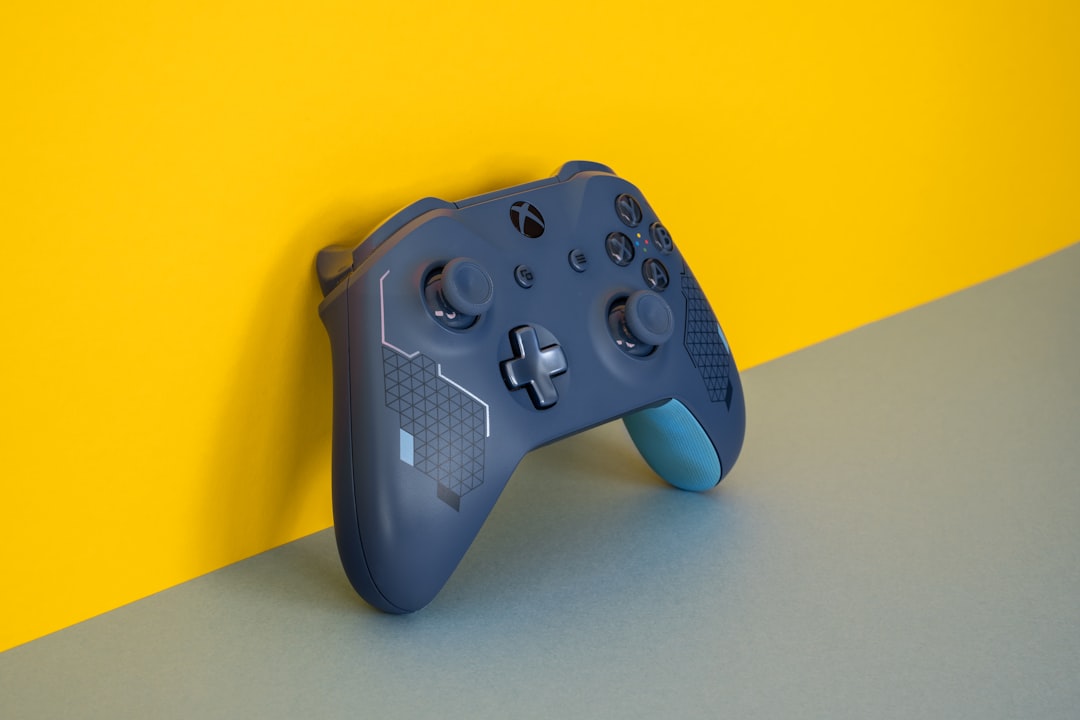
Featured image: generic lawful controller photography by Pasqualino Capobianco via Unsplash. It is not a screenshot from any specific sports game.