Hey, just so you know, some of the links on this site are affiliate links. That means I may earn a small commission if you buy something through them. It doesn’t cost you anything extra, and it helps me keep this site running. Thanks for your support!
Home-field advantage is the tendency for teams or athletes to perform better at their own venue than they do away from home. It is real enough to influence playoff seeding, scheduling and fan expectations, but it is not one single force. Crowd behavior, travel, familiarity, officiating, rest and sport-specific rules can all contribute.
The size of the advantage also varies by sport, era, venue and opponent. It is better to think of home advantage as a bundle of small edges rather than a guaranteed result.
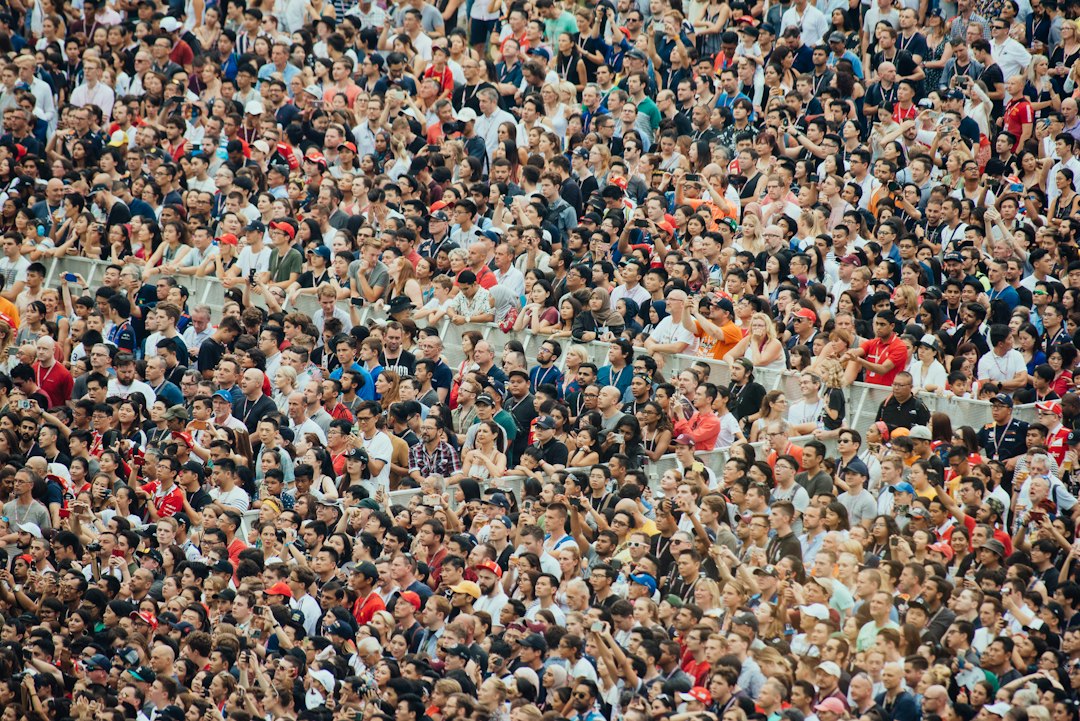
The crowd can change the competitive environment
A loud home crowd can make communication harder for visiting teams, create emotional energy for the home side and increase pressure around key moments. In football, crowd noise can directly complicate offensive communication. In basketball or hockey, the crowd can amplify runs and momentum. In soccer, supporter culture can make the home environment feel dramatically different from a neutral site.
Research reviews have historically grouped home advantage into factors including crowd, travel, familiarity and rules. A widely cited review indexed by PubMed found crowd-related effects to be among the strongest recurring explanations, while also noting that no single mechanism explains every sport.
Travel and routine matter
A road team may have to fly, change time zones, sleep in a hotel and prepare in unfamiliar facilities. That can affect recovery and routine even when the trip is professionally managed.
Travel does not automatically create a huge disadvantage. Short domestic trips can be less disruptive, and modern teams invest heavily in sleep, nutrition and travel planning. But over a long season, small recovery differences can accumulate.
Familiarity can help
Home teams know the sightlines, locker rooms, playing surface and building quirks. Baseball parks have different dimensions. Soccer pitches can vary within competition rules. Hockey boards and ice quality can feel different. Motorsport competitors know some circuits better than others, although “home” works differently there.
Familiarity is usually a supporting factor rather than a magic advantage, but it can matter at the margins.
Officiating is part of the discussion
Researchers have long studied whether crowd pressure can subtly influence officiating. The safest conclusion is not that officials intentionally favor home teams. It is that human decision-making can be affected by context, pressure and incomplete information.
Modern replay systems, centralized review and officiating technology may reduce some venue-driven effects, but they do not erase the broader home environment.
Home-field advantage is built into playoff systems
Many leagues reward regular-season performance with home games or home-ice priority. The NHL, for example, awards home-ice advantage through the first two playoff rounds based on regular-season placement within its bracket structure, with later rounds determined by better regular-season record.
That makes home advantage more than a psychological talking point. It can be an actual competitive reward for finishing higher in the standings.
Why some venues feel stronger than others
Not every home venue creates the same environment. Factors include:
- crowd size and proximity to the playing surface;
- acoustics and stadium design;
- supporter traditions;
- altitude or climate;
- travel distance for visitors;
- surface or field characteristics;
- how difficult communication becomes under noise.
SportsyVibe’s guide to loud stadiums and arenas explores the atmosphere side in more detail.
Can home-field advantage disappear?
It can shrink. Neutral-site games remove most venue familiarity. Reduced crowds can change the acoustic and emotional environment. A dominant road team can also overwhelm whatever advantage exists.
Home advantage should therefore be treated as a probability-shifter, not a prediction. A weaker team does not become stronger simply because it is at home.
Home field vs. home court vs. home ice
The phrase changes by sport, but the concept is similar:
| Sport | Common phrase | Typical advantages |
|---|---|---|
| Football / baseball / soccer | Home-field advantage | Crowd, travel, venue familiarity |
| Basketball | Home-court advantage | Crowd proximity, routine, travel |
| Hockey | Home-ice advantage | Crowd, last-change rules in some contexts, routine |
Source note
For a research overview, see the PubMed-indexed review Home advantage in sport: an overview of studies on the advantage of playing at home.
Bottom line
Home-field advantage matters because sports are not played in a vacuum. Crowd, travel, routine, venue familiarity and competitive rules can all change the environment. The effect is real, but it is never a substitute for team quality, matchup or performance.