Hey, just so you know, some of the links on this site are affiliate links. That means I may earn a small commission if you buy something through them. It doesn’t cost you anything extra, and it helps me keep this site running. Thanks for your support!
INDIANAPOLIS — Nickeil Alexander-Walker scored 34 points and the Atlanta Hawks held off the Indiana Pacers 108–104 on Monday, November 2, 2026. Atlanta’s guard made nine of 15 attempts from three-point range, according to the NBA’s official game account, giving the Hawks an outside scoring advantage in a game Indiana kept close until the final seconds.
This was not a simple story of one player running away with the contest. Indiana repeatedly challenged the margin, including a late fourth-quarter push that brought the score to 106–104. Atlanta still needed a final composed possession, and Onyeka Okongwu delivered with a hook shot to settle the final margin.
Hawks–Pacers: final score and the numbers that matter
| Measure | Atlanta Hawks | Indiana Pacers |
|---|---|---|
| Final score | 108 | 104 |
| Leading scorer | Nickeil Alexander-Walker: 34 | Jay Huff: 22 |
| Alexander-Walker 3-point shooting | 9 of 15 | — |
| Late decisive basket | Onyeka Okongwu hook shot | — |
Alexander-Walker’s volume from beyond the arc is the centerpiece. Nine made threes produce 27 points by themselves, accounting for most of his 34-point total. That shooting performance mattered because it stretched Indiana’s defense and gave Atlanta a way to generate offense even when the Pacers had success inside.
Alexander-Walker’s perimeter scoring changed the matchup
The NBA’s game breakdown credits Alexander-Walker with 12 made field goals in 25 attempts, four rebounds and four assists, in addition to nine triples. The 12-for-25 overall line shows that the threes were not an isolated hot streak detached from the rest of his offensive workload. He was repeatedly involved in attempts and decisions as Atlanta looked for enough points to resist Indiana’s runs.
He also drew unusual defensive attention in the NBA’s tracking analysis. The Pacers had to decide how aggressively to guard him away from the basket while still protecting against other Atlanta actions. That is the pressure a high-volume three-point performance can create: it affects not just the shots that go in, but also where defenders position themselves before the next pass.
It is important not to confuse one great shooting night with a guaranteed season-long rate. Nine-for-15 is exceptional, yet the more durable basketball question is whether Atlanta can keep creating clean perimeter attempts while opponents adjust.
Indiana’s six-player lineup changed the meaning of this win
One of the most important facts behind the close score was Indiana’s depth crisis. The Pacers were down to just six available players because of injuries and rest, yet they nearly upset Atlanta. That context is essential to a fair assessment of the Hawks: a four-point win against such a depleted opponent shows resilience at the finish, but it also raises questions about how effectively Atlanta protected its advantages. The NBA’s published game recap confirms the extreme shortage.
Jay Huff led Indiana with 22 points, Quenton Jackson added 20, and Braden Smith supplied 19 points and 10 assists. Atlanta was missing Jalen Johnson with a left ankle sprain, but the Pacers’ roster problem was substantially more severe. Against a short bench, early lead protection and second-half shot selection should have been advantages for the Hawks. Instead, Indiana stayed close enough to create a final-minute possession that could have reversed the result.
The matchup was especially unusual because Indiana generated enough inside scoring to remain competitive despite Atlanta’s superior perimeter shooting. NBA game statistics show Atlanta finished 23-for-51 from three-point range while Indiana was 8-for-34; the Pacers outscored the Hawks 54–26 in the paint. That contrast helps explain why a hot shooting night still produced an unexpectedly close outcome.
Indiana’s late push tested Atlanta’s composure
The Pacers generated a nine-point unanswered run in the fourth quarter, according to the league’s game analysis. That rally moved the contest away from the comfortable finish Atlanta might have wanted. With 1:23 remaining, Quenton Jackson’s dunk cut the Hawks’ lead to 106–104 and put the next possession under pressure.
Instead of treating the lead as safe, Atlanta had to work for a quality look. CJ McCollum found Okongwu, whose hook shot made it 108–104 with 10.2 seconds remaining. It proved to be the final meaningful made basket of the game. Okongwu’s contribution deserves attention because a late two-point finish is just as decisive as a three-pointer when the opponent is one possession away.
Where both teams found an advantage
The NBA’s game report identifies a contrast in how the points were created. Indiana held the stronger edge in paint scoring, while Atlanta was more productive in second-chance opportunities. That suggests different routes to pressure: the Pacers found ways inside, but the Hawks countered with perimeter production and work after missed shots.
Jay Huff led Indiana with 22 points and eight rebounds, while Jackson added 20 points and seven rebounds. Those performances help explain why the Pacers remained in the game despite Alexander-Walker’s shooting. Indiana found points from more than one place and kept attacking after Atlanta’s early advantages.
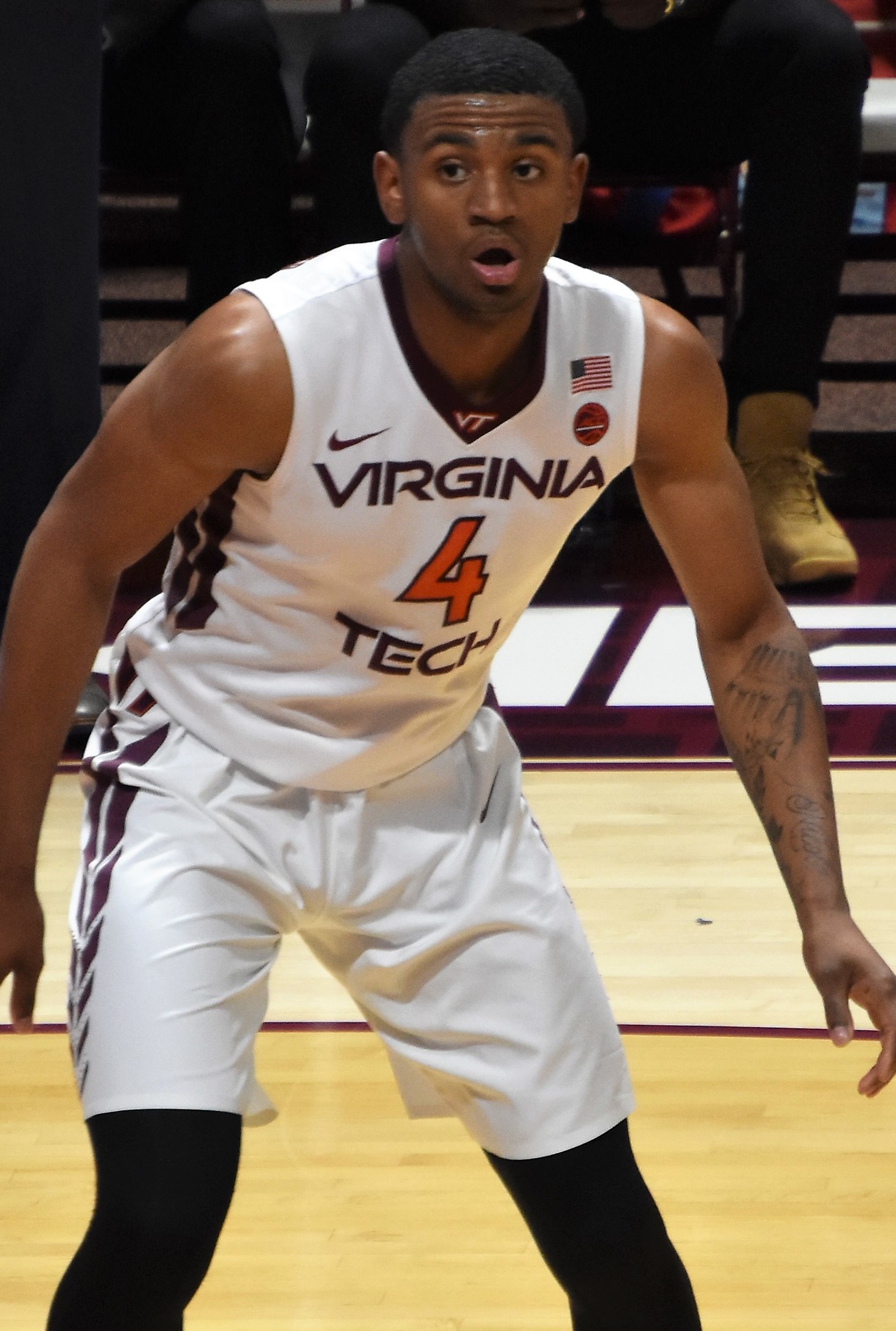
What Atlanta should carry forward
The Hawks can take encouragement from the combination of an explosive perimeter scorer and a different player finishing an essential late possession. A team that relies only on one hot shooter is vulnerable when its opponent adjusts; Atlanta’s closing sequence demonstrated at least one additional way to get a good shot under pressure.
The question ahead is whether the Hawks can protect leads earlier, so they are not forced to survive late challenges. For Indiana, the counterpoint is encouraging paint production and a competitive fourth-quarter response, but the Pacers still need to limit the damage caused by an opposing guard catching fire from deep.
SportsyVibe’s NBA Buzz hub tracks the latest basketball developments. For a broader perspective on how the league works, read our NBA salary cap guide.
Sources and image credit
- NBA: Hawks at Pacers, November 2 official game analysis.
- NBA official box score and team stats.
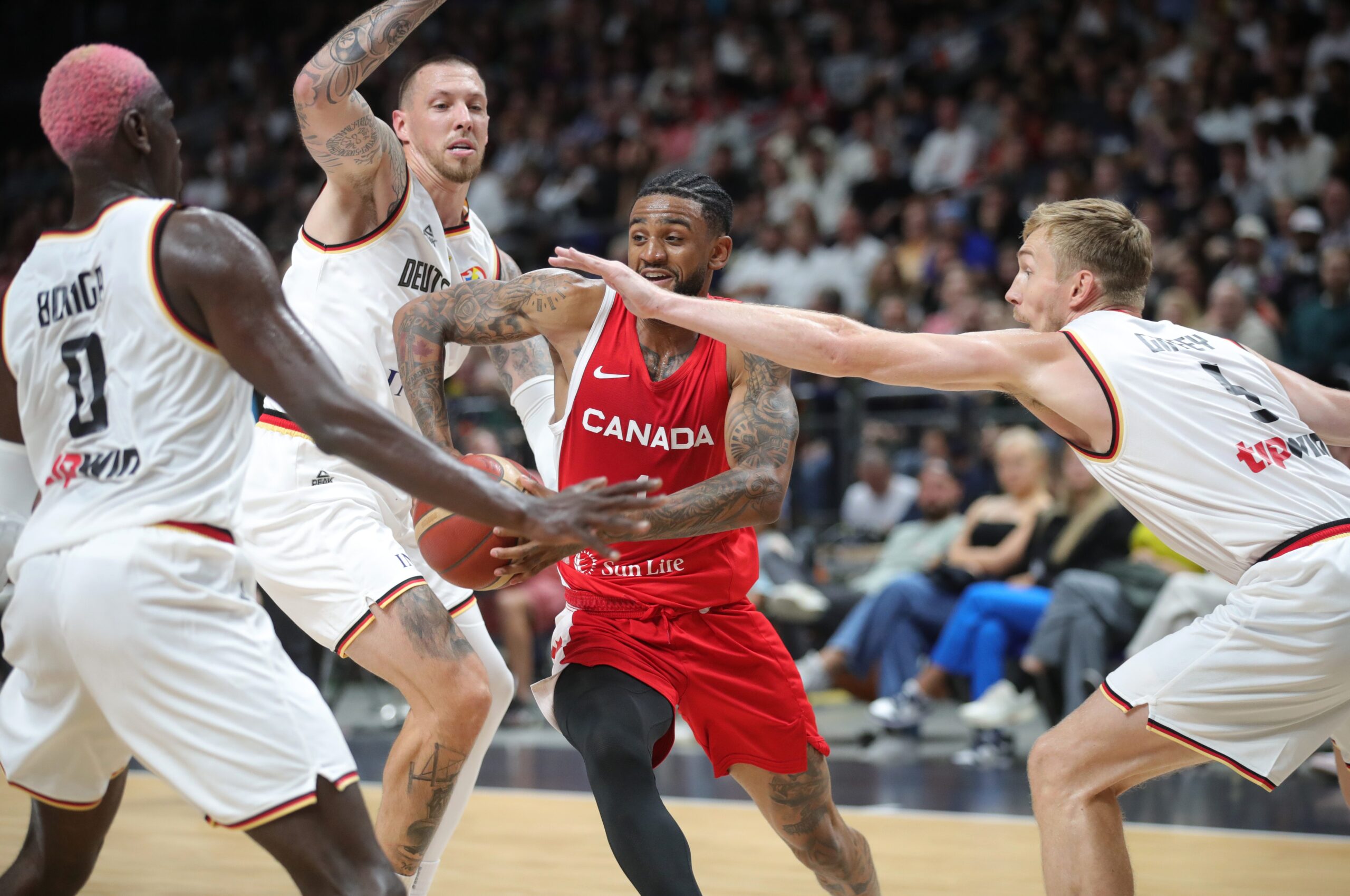
- Featured photograph: Alexander-Walker during an August 2023 Canada–Germany international game (not as an Atlanta Hawk). Sandro Halank, Wikimedia Commons, CC BY-SA 4.0.