
Hey, just so you know, some of the links on this site are affiliate links. That means I may earn a small commission if you buy something through them. It doesn’t cost you anything extra, and it helps me keep this site running. Thanks for your support!
The Daytona 500 and the Indianapolis 500 are two of the biggest races in American motorsports. Their names sound similar, and the headline distance is identical: both are scheduled for 500 miles. But once you look beyond the number, they are very different events built around different cars, series, racing styles and traditions.
This guide explains the major differences without treating either event as a substitute for the other.
The quickest comparison
The Daytona 500 is a NASCAR Cup Series stock-car race held at Daytona International Speedway in Florida. The Indianapolis 500 is an INDYCAR SERIES open-wheel race held at Indianapolis Motor Speedway in Indiana.
Official NASCAR information lists Daytona International Speedway at 2.5 miles and the Daytona 500 at 200 laps for 500 miles. INDYCAR likewise lists Indianapolis Motor Speedway at 2.5 miles and the Indianapolis 500 at 200 laps for 500 miles.
That matching math is where many of the similarities end.
Daytona 500: stock cars and pack racing
The Daytona 500 is the marquee event of the NASCAR Cup Series and is traditionally positioned at the front of the Cup calendar. Drivers compete in closed-wheel stock cars designed around NASCAR’s current Cup regulations.
Daytona’s high-speed superspeedway racing often produces large drafting groups. Drivers use the aerodynamic pull from nearby cars to gain or preserve speed, which makes lane choice, cooperation and timing important. A move that looks strong with ten laps left can disappear if the drafting help behind it breaks apart.
The race is divided into NASCAR stages, but the overall winner is still the driver who reaches the finish first after the full race distance or the officially determined ending.
Indianapolis 500: open-wheel precision
The Indianapolis 500 is INDYCAR’s signature event and one of the world’s most historically important open-wheel races. The cars are purpose-built single-seaters with exposed wheels rather than NASCAR-style stock cars.
Indianapolis Motor Speedway also measures 2.5 miles, but its geometry and driving demands are very different from Daytona. INDYCAR’s own event material notes the four corners and long straightaways, and the race rewards precision over a long run: aerodynamic balance, tire management, pit execution, fuel strategy and traffic management all matter.
If you want a broader comparison of the machinery and racing culture, SportsyVibe’s IndyCar vs Formula 1 guide explains where modern INDYCAR fits within the open-wheel world.
Why the cars create such different racing
Daytona: enclosed stock cars
NASCAR Cup cars have enclosed bodywork and covered wheels. At Daytona, the aerodynamic wake from one car strongly affects the cars around it. This is why drafting and multi-car packs are such a visible part of the race.
Indianapolis: exposed-wheel single-seaters
INDYCAR machines are open-cockpit race cars with exposed wheels. They are designed for a different rulebook and generate a different kind of aerodynamic behavior. Following another car through Indianapolis can help on the straights but can also complicate cornering balance.
The result is that both races are high-speed oval events, yet the techniques used to win them are not identical.
Qualifying and starting-grid culture
Both events make qualifying important, but Indianapolis has a particularly distinctive multi-session qualifying tradition built around earning one of the starting positions in the field. The process has become part of the identity of the event itself.
Daytona also has a unique race-week structure. Qualifying establishes key front-row positions, while additional Daytona qualifying races help shape the starting lineup for the 500. That means race-week performance can matter before the main event even begins.
Strategy: drafting versus fuel and track position
Strategy matters at both events, but the emphasis can feel different.
At Daytona, a driver may need to survive the pack, choose the right drafting lane, protect the car from trouble and time a final run. Because so many cars can run closely together, the race can change dramatically after a caution or late restart.
At Indianapolis, pit windows, fuel mileage, clean-air opportunities, tire condition and track position can shape the race over long stretches. A team may trade short-term track position for a later strategic advantage.
Neither approach is simple. They reward different combinations of patience, engineering and racecraft.
Prestige and tradition
Winning either race can define a driver’s career.
The Daytona 500 is NASCAR’s flagship race and carries enormous weight inside stock-car racing. The Indianapolis 500 is deeply tied to the history of American open-wheel competition and Indianapolis Motor Speedway itself.
Fans often debate which event is bigger, but the more useful answer is that they occupy different cultural lanes. Daytona is the crown-jewel stock-car race; Indianapolis is the crown-jewel American open-wheel race.
Which race is faster?
That question sounds simple, but it depends on what you mean by faster. Average race speed, qualifying speed, top speed in a draft and speed through a corner are not the same measurement. The two events also use very different cars and technical rules.
For that reason, a single headline speed number does not tell you which race is more demanding or more competitive.
Which race should a new fan watch?
If you enjoy large packs, drafting, stock-car tactics and the atmosphere of a NASCAR season opener, start with the Daytona 500.
If you are drawn to open-wheel machinery, long-run strategy, pit sequencing and the history of Indianapolis Motor Speedway, start with the Indianapolis 500.
Better yet, watch both. Seeing them close together makes the differences between NASCAR and INDYCAR much easier to understand.
Bottom line
The Daytona 500 and Indianapolis 500 share a famous number, a 500-mile distance and a place near the top of American motorsports. But they are not equivalent races. Daytona is a NASCAR Cup stock-car event shaped heavily by superspeedway drafting, while Indianapolis is an INDYCAR open-wheel classic built around precision, strategy and a very different technical platform.
That contrast is exactly why both races matter.
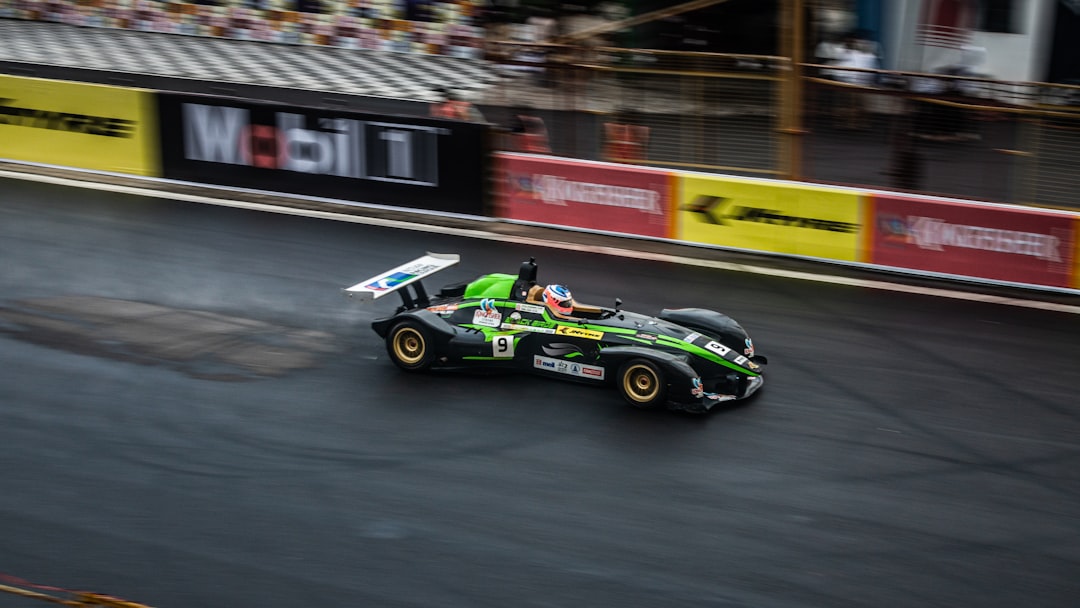
Featured image: generic open-wheel motorsport photograph by Johann Noby via Unsplash. It is illustrative and does not depict the Daytona 500 or Indianapolis 500.