Hey, just so you know, some of the links on this site are affiliate links. That means I may earn a small commission if you buy something through them. It doesn’t cost you anything extra, and it helps me keep this site running. Thanks for your support!
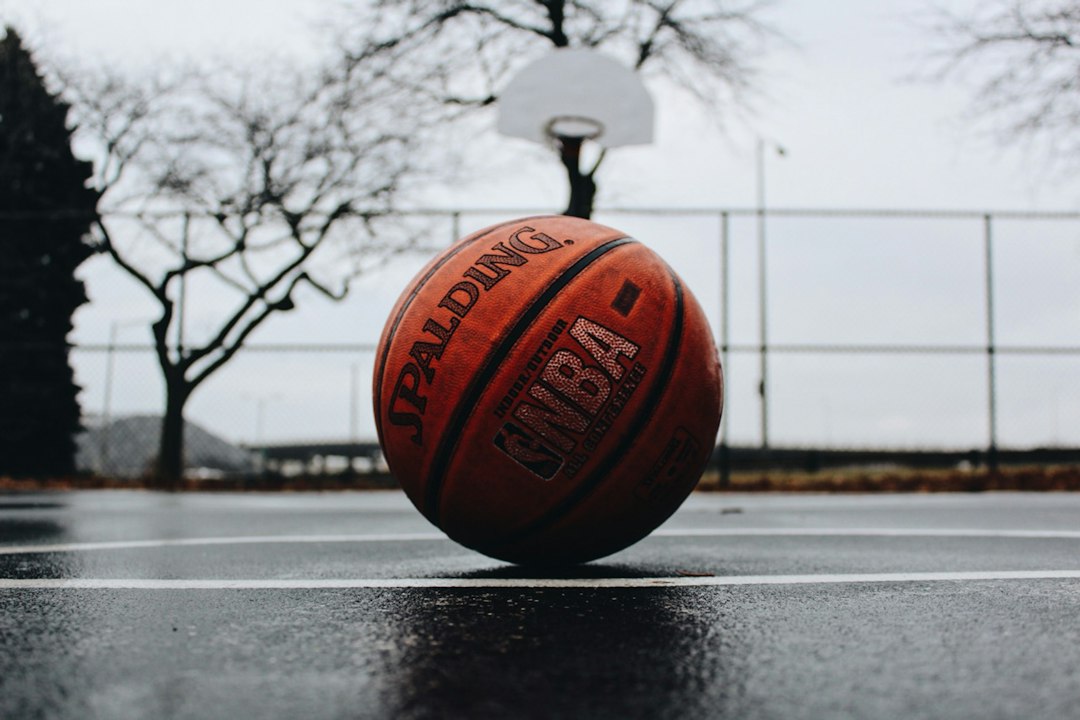
The best basketball is the one built for the surface you actually play on. Indoor hardwood rewards feel and control. Outdoor blacktop punishes soft covers. All-surface balls trade some premium indoor feel for the ability to survive more places.
That sounds simple, but the labels can be confusing. “Leather,” “composite,” “rubber,” “indoor,” “indoor/outdoor” and “all-surface” do not mean the same thing. Here is how to choose without buying more ball than you need—or wearing out an indoor ball on concrete.
Quick answer: which basketball should you choose?
| Your main court | Best starting point | Why |
|---|---|---|
| Indoor hardwood | Indoor leather or premium composite | Best feel and control; not designed for abrasive pavement. |
| Outdoor asphalt/concrete | Rubber or durable outdoor composite | Built to tolerate rough surfaces and weather exposure better. |
| Mix of gym and driveway | Indoor/outdoor composite | Versatile compromise when one ball must cover both surfaces. |
| Youth/recreation | Correct size first, then material | A premium wrong-size ball is still the wrong ball. |
Leather: the traditional premium indoor choice
Spalding’s current buying guide describes full-grain leather basketballs as indoor-only products. New leather can feel slick before it breaks in, then develops a softer, more familiar feel through play. The tradeoff is that rough outdoor courts can damage the surface quickly.
If nearly all of your serious runs are on clean hardwood and you value touch over versatility, leather makes sense. If the ball will live in a driveway, it usually does not.
Composite: the middle ground
Composite covers can be tuned for indoor use, indoor/outdoor use or both. They are generally easier to use out of the box than full-grain leather and can offer a strong balance of grip, feel and durability.
The important part is the actual product rating. “Composite” by itself does not guarantee outdoor durability. Look for the manufacturer’s indoor/outdoor or all-surface designation.
Rubber: built for rougher outdoor use
Rubber basketballs are usually the durability-first choice for blacktop, concrete and playground courts. Spalding describes its outdoor rubber models as abrasion-resistant for rough surfaces. They often feel firmer or less plush than premium indoor balls, but they are built for conditions that would chew through a softer cover.
Why court surface matters so much
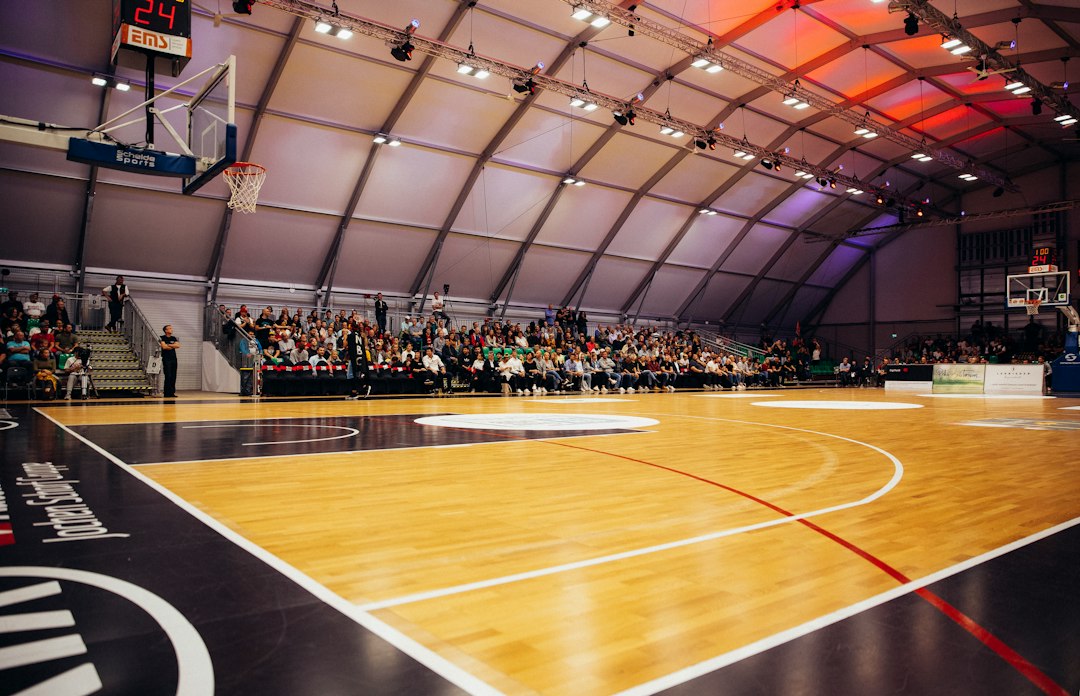
Hardwood is relatively smooth. Asphalt and concrete are abrasive. Every dribble pushes the cover against the floor, so outdoor play acts like repeated sanding. That changes the buying logic: an expensive indoor ball is not automatically “better” if the surface destroys the feature you paid for.
Ball size matters before cover material
Spalding’s current guide lists Size 7 at 29.5 inches for men’s leagues age 13+, Size 6 at 28.5 inches for women’s leagues and ages 9–12, and Size 5 at 27.5 inches for younger players. Always verify the rules of the league or program you actually play in.
For youth development, a correctly sized ball can be more important than buying the most premium cover. A ball that is too large or heavy can alter shooting and handling mechanics.
Watch the original Spalding Basketball Buying Guide on YouTube
Should you use one ball for everything?
If convenience matters most, a good indoor/outdoor composite is the practical answer. If you play serious indoor basketball several times a week and also play outdoors, two balls are better: protect the indoor ball and let the outdoor ball absorb the wear.
Simple buying checklist
- Surface: hardwood, concrete/asphalt, or both?
- Size: what does your league or age group use?
- Material: leather, composite or rubber?
- Grip: does it feel controllable when your hands get sweaty?
- Durability: will it be exposed to rough pavement?
- Use: game ball, practice ball, driveway ball or one-ball solution?
Bottom line
Choose the surface first, then the material and size. Leather is a specialist indoor choice. Rubber is a durability-first outdoor choice. Indoor/outdoor composite is the most flexible compromise.
Continue through Gear & Collectibles or the basketball archive.
Sources
Product guidance verified September 29, 2026. Always verify current league rules and the manufacturer’s surface rating before buying.