
Hey, just so you know, some of the links on this site are affiliate links. That means I may earn a small commission if you buy something through them. It doesn’t cost you anything extra, and it helps me keep this site running. Thanks for your support!
Some stadiums are famous because they are big. Others become landmarks because generations of fans, athletes and entire countries attach memories to them. This ranking is about that second category: venues whose names, silhouettes and defining moments have escaped the boundaries of a single team or sport and become part of global sports culture.
SportsyVibe ranked these stadiums using five factors: global recognition, historic sporting moments, cultural significance, architectural identity, and long-term influence on fan experience. Capacity matters only when it contributes to the venue’s story; this is not a list of the world’s largest stadiums.
For more venue coverage, visit the SportsyVibe Stadiums & Arenas hub. You can also see our guide to the 10 largest college football stadiums in America.
| Rank | Stadium | Location | Primary identity | Why it is iconic |
|---|---|---|---|---|
| 1 | Wembley Stadium | London, England | Football | The symbolic home of English football and a century-old global sports name. |
| 2 | Maracanã | Rio de Janeiro, Brazil | Football | World Cup history, Brazilian football culture and unmatched emotional resonance. |
| 3 | Melbourne Cricket Ground | Melbourne, Australia | Cricket / Australian football | A multi-sport cathedral whose history reaches back to 1853. |
| 4 | Camp Nou | Barcelona, Spain | Football | The global stage of FC Barcelona and a symbol of Catalan sporting identity. |
| 5 | Estadio Azteca / Mexico City Stadium | Mexico City, Mexico | Football | Pelé, Maradona and the first stadium to stage matches in three men’s World Cups. |
| 6 | Rose Bowl Stadium | Pasadena, California | College football / global football | College football tradition plus Olympic, World Cup and Super Bowl history. |
| 7 | Santiago Bernabéu | Madrid, Spain | Football | Real Madrid’s historic stage, now transformed into a modern multi-event landmark. |
| 8 | Beijing National Stadium | Beijing, China | Olympic stadium | The Bird’s Nest became one of the most recognizable sports buildings of the 21st century. |
| 9 | FNB Stadium / Soccer City | Johannesburg, South Africa | Football / rugby | The stage for the 2010 World Cup final and major moments in South African history. |
| 10 | Lambeau Field | Green Bay, Wisconsin | American football | A small-city NFL shrine defined by tradition, championships and frozen-weather mythology. |
1. Wembley Stadium — London, England
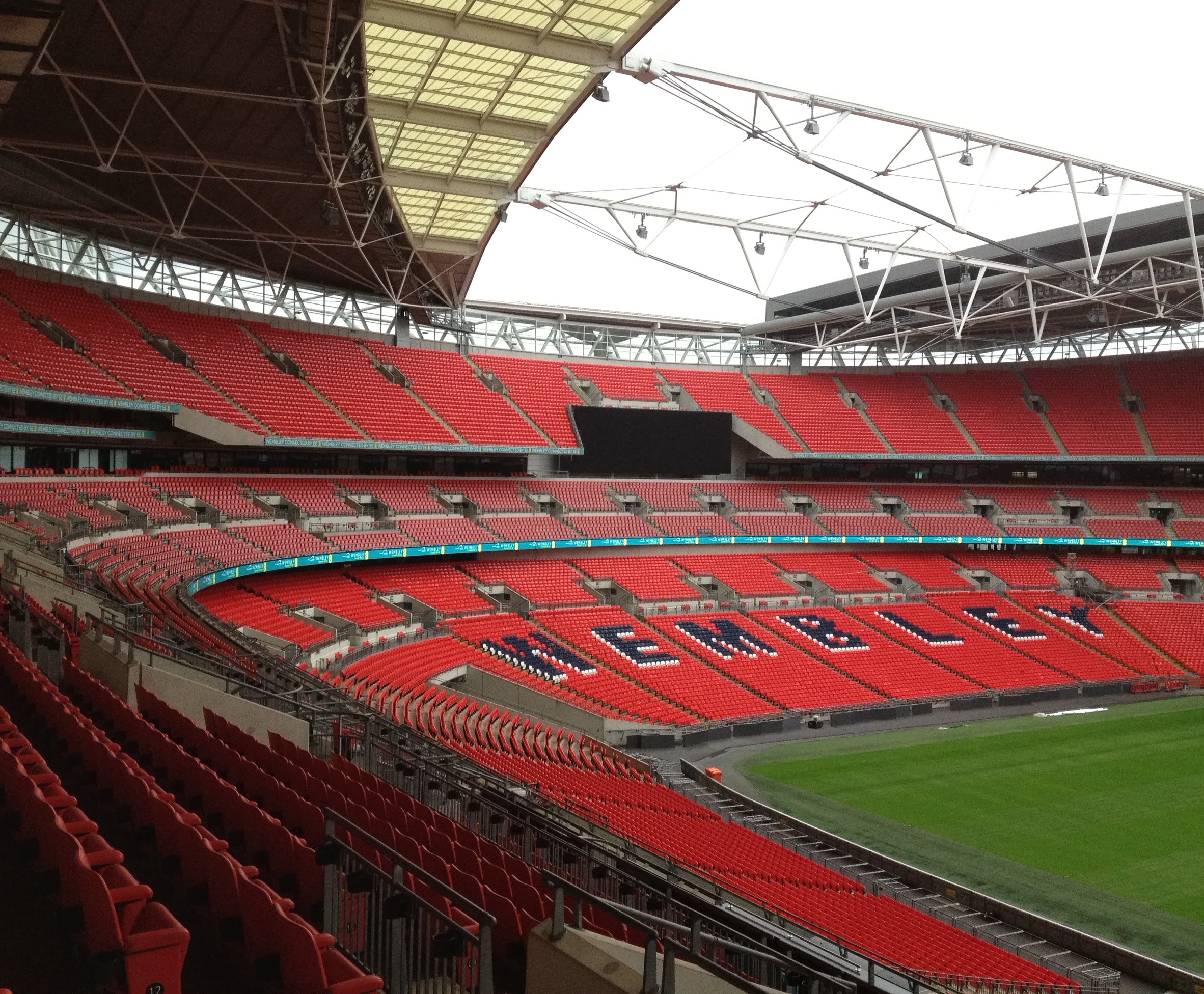
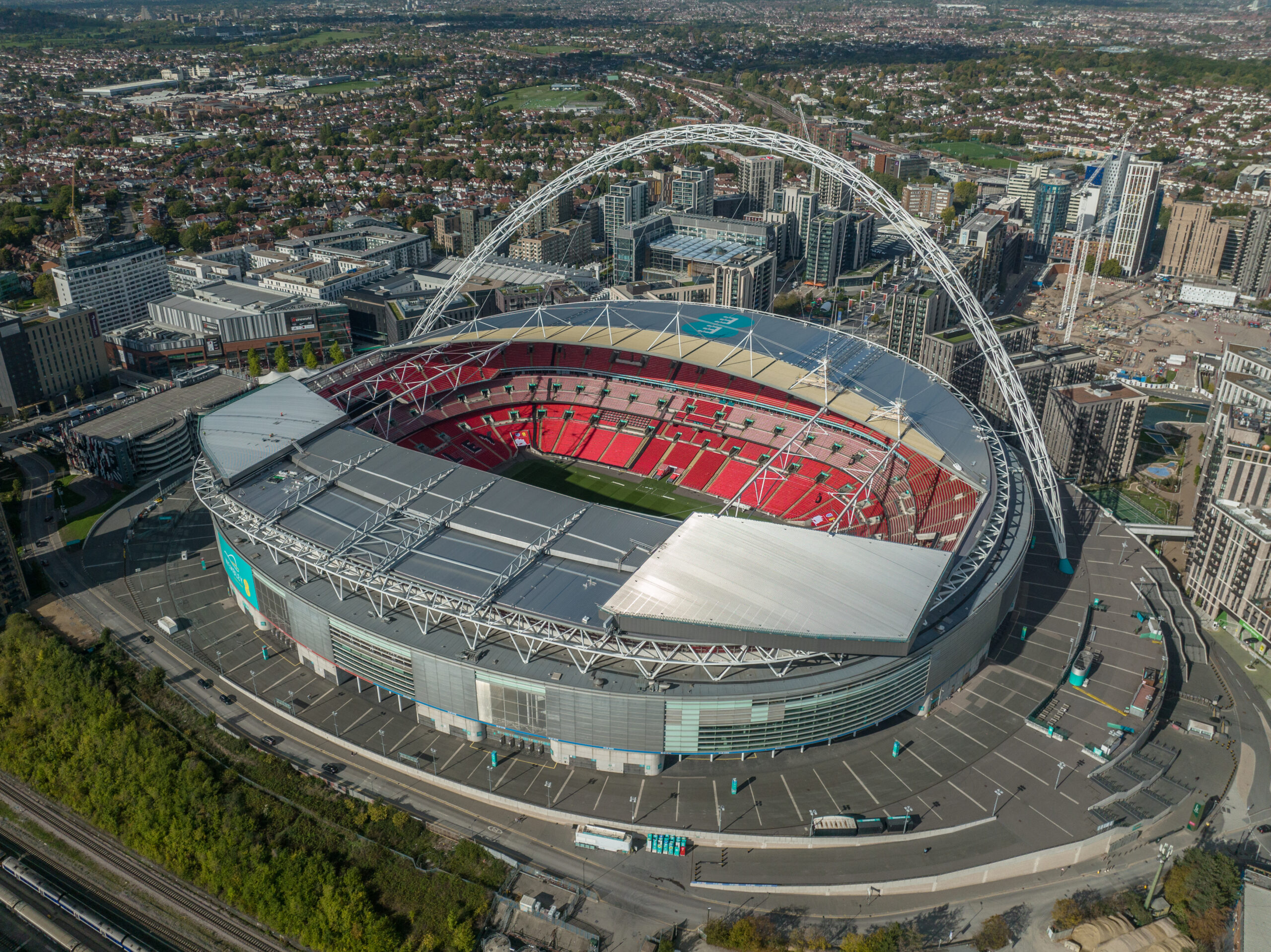
Few venue names carry the instant global meaning of Wembley. The current 90,000-seat stadium opened in 2007, but its identity is inseparable from the original Wembley that opened on the same site in 1923. Across both eras, Wembley has functioned as the symbolic home of English football and one of the world’s most important championship stages.
The old Twin Towers gave the first Wembley its unmistakable silhouette. The rebuilt venue created a new visual signature with the huge Wembley Arch, preserving the name while completely reinventing the architecture. FA Cup finals, England internationals, European finals, NFL games, rugby and major concerts have made Wembley larger than any single competition.
What puts Wembley at No. 1 is continuity. Players change, tournaments change and even the physical stadium changed, but playing at Wembley still carries a meaning understood far beyond England. It is both a destination and an achievement.
2. Maracanã — Rio de Janeiro, Brazil
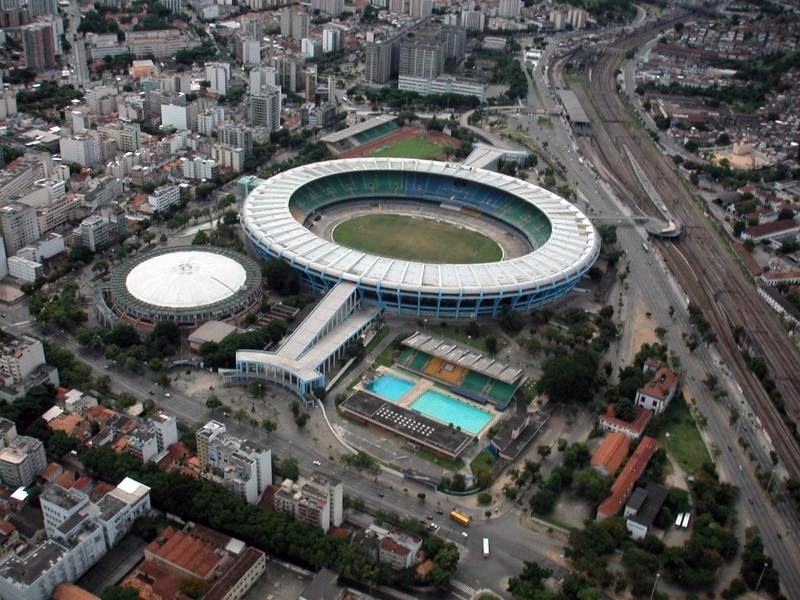
The Maracanã was built for the 1950 World Cup and quickly became one of football’s defining arenas. Its fame is not just a matter of size or trophies. It is tied to Brazil’s relationship with football itself: joy, pressure, national identity and some of the sport’s most emotionally charged memories.
The stadium has hosted two men’s World Cup finals, the 2016 Olympic opening and closing ceremonies and generations of major Brazilian club matches. Its place in football history includes both celebration and heartbreak, which is part of why the venue’s mythology has remained so powerful.
Modern renovations changed the interior from the vast terraces of the 20th century, but the Maracanã name still evokes an era when stadiums could feel almost impossibly large. For football fans around the world, it remains one of the essential places on the sport’s map.
3. Melbourne Cricket Ground — Melbourne, Australia
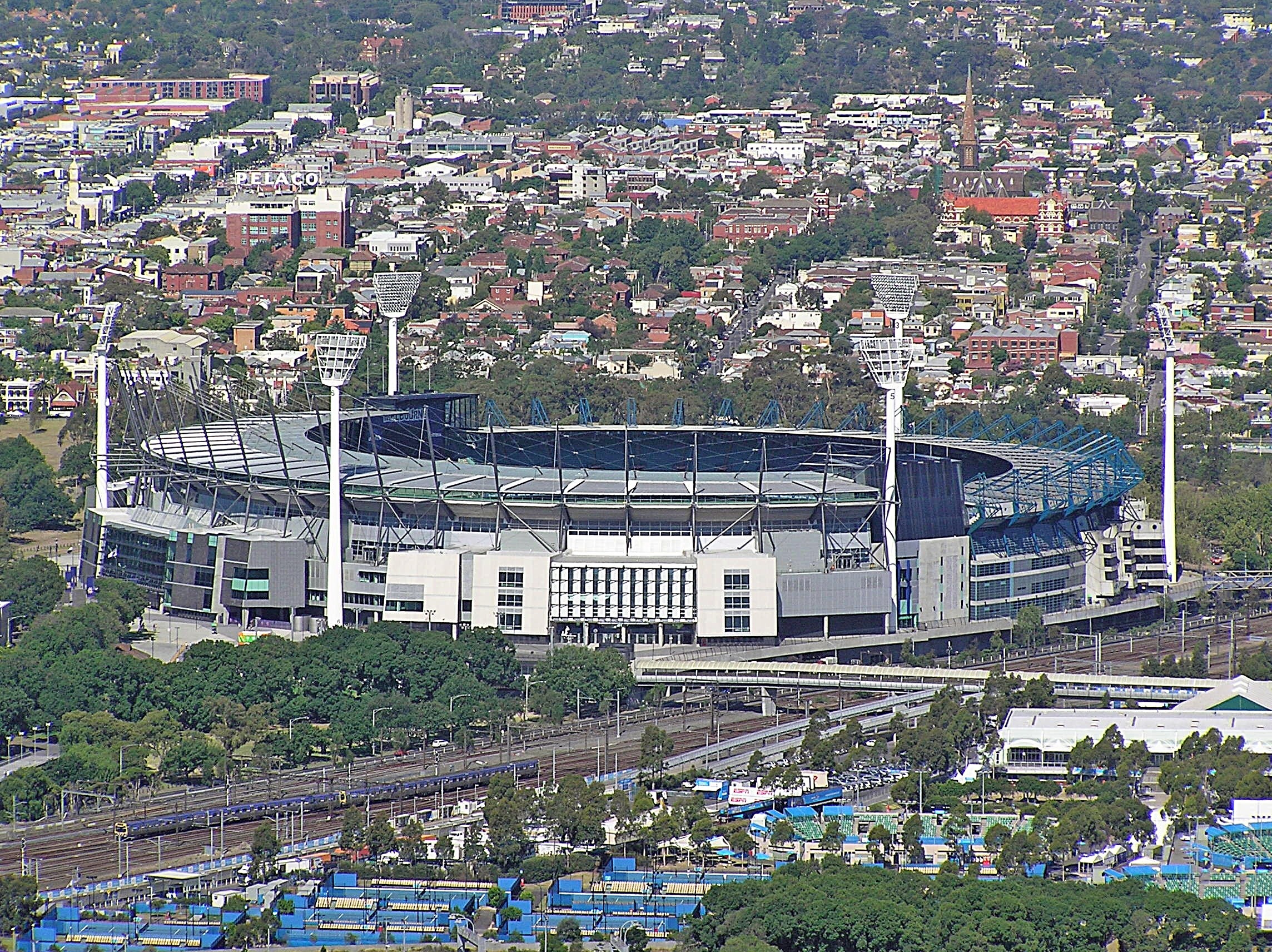
The Melbourne Cricket Ground has something few modern stadiums can match: more than 170 years of living sports history. Established in 1853, the MCG became the birthplace of Test cricket in 1877 and has remained central to both cricket and Australian rules football.
Its calendar explains its cultural power. The Boxing Day Test and AFL Grand Final are not simply games at the MCG; they are national sporting rituals. The stadium also served as the main venue for the 1956 Olympics and 2006 Commonwealth Games, and its current capacity sits just above 100,000.
The MCG ranks this high because it is simultaneously historic, enormous and still essential. It is not a preserved monument living on nostalgia. It remains one of the busiest and most important large stadiums on Earth.
Browse current Sports & Outdoors best sellers for fan-day, travel and outdoor essentials.
4. Camp Nou — Barcelona, Spain
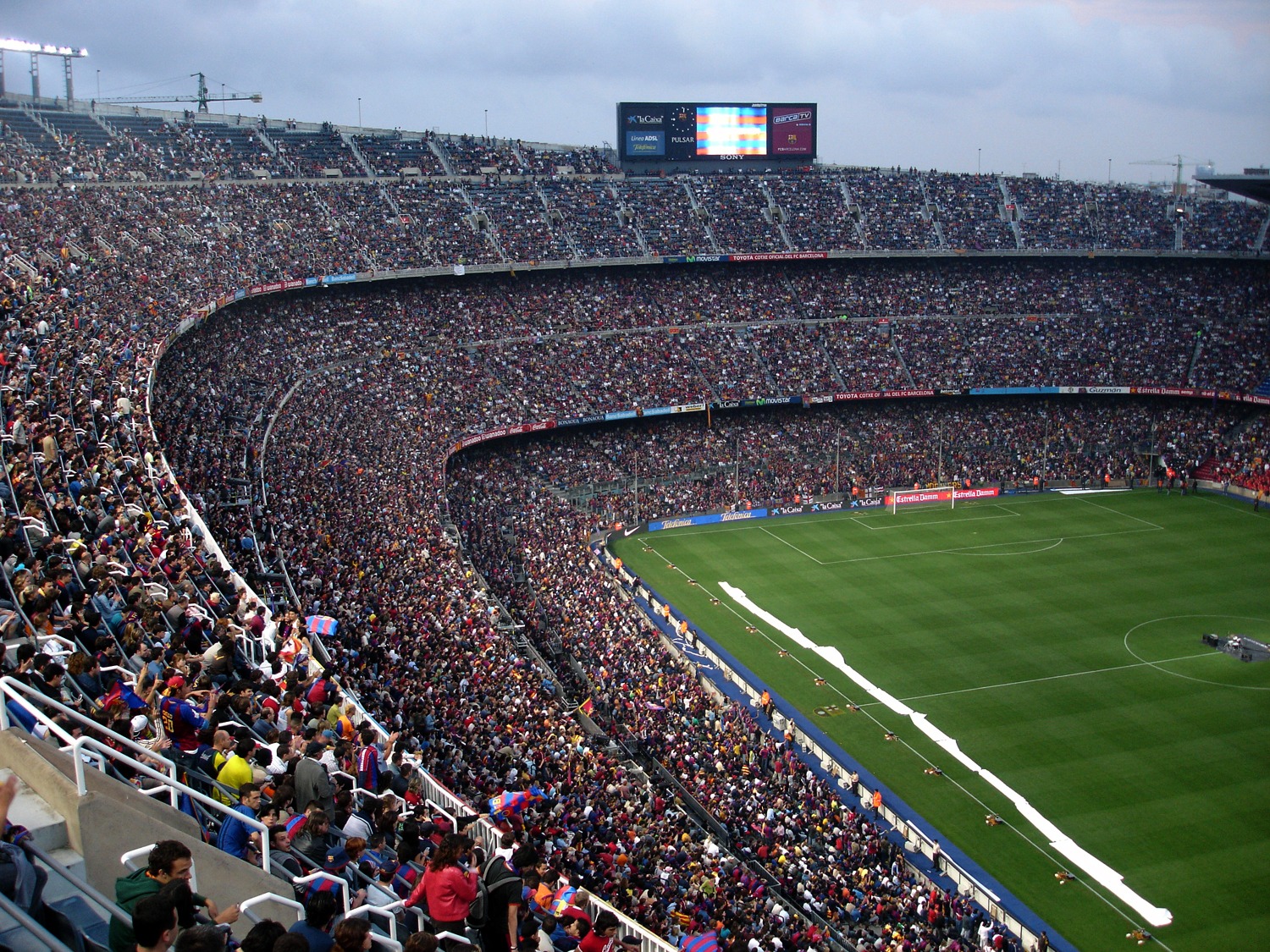
Camp Nou opened in 1957 and grew into far more than FC Barcelona’s home ground. For decades, it was Europe’s largest football stadium and one of the defining stages of club football, hosting generations of stars while embodying the club’s Més que un club identity.
The ground’s three-tiered bowl, massive crowds and relationship with Catalan culture gave it a character that was impossible to separate from Barcelona itself. It also hosted major international matches, including games during the 1982 World Cup.
Spotify Camp Nou is now back hosting FC Barcelona matches while its Espai Barça transformation continues in stages. The stadium reopened before the 2026/27 season, and FC Barcelona said Phase 1C increased available capacity to 62,652 in March 2026; the completed project is designed for nearly 105,000 spectators. That mix of active matchdays and ongoing reinvention strengthens its iconic status: Barcelona is modernizing the same historic home rather than abandoning it.
5. Estadio Azteca / Mexico City Stadium — Mexico City, Mexico
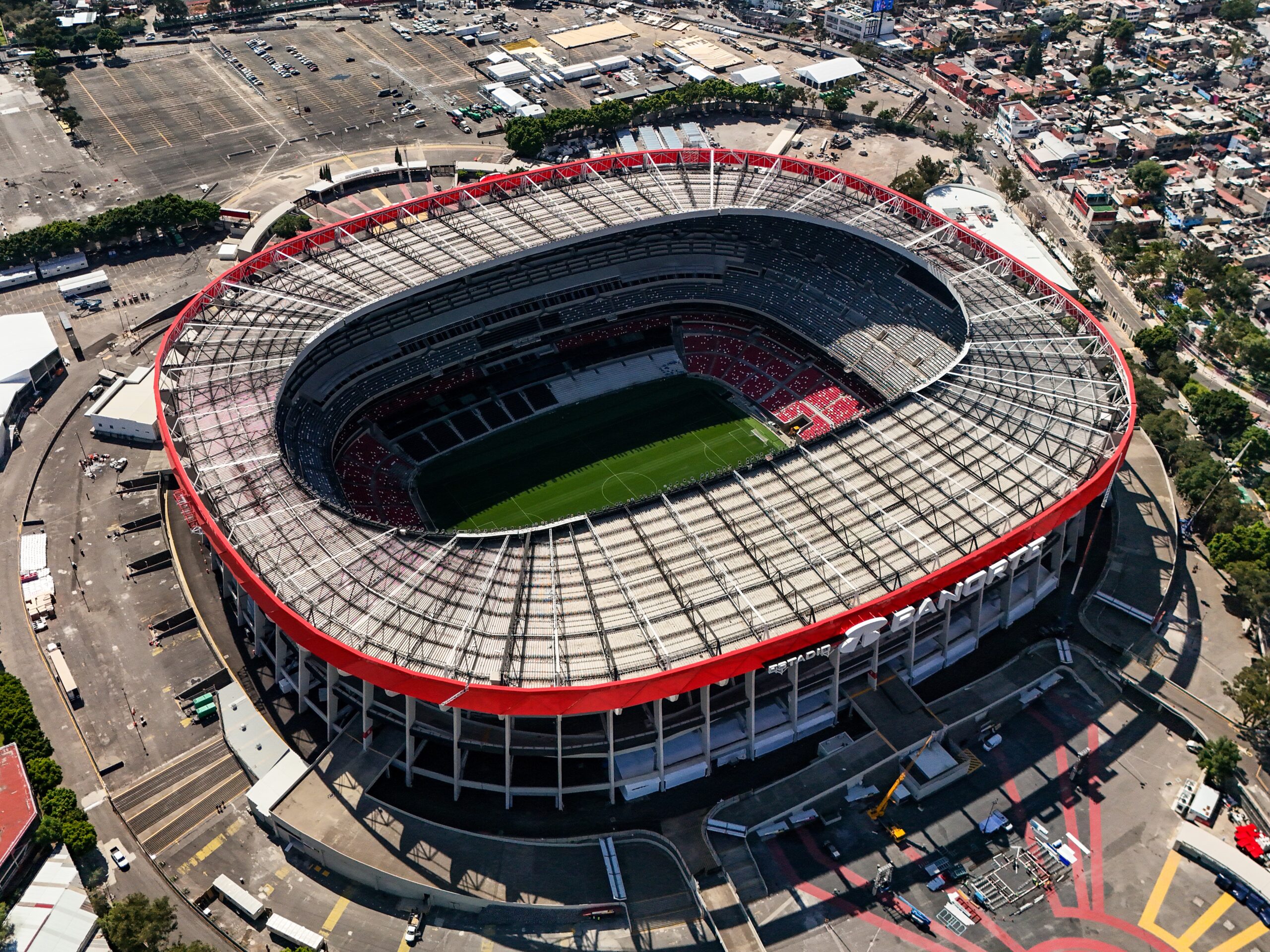
Few stadiums can point to a résumé like the venue the world long knew as Estadio Azteca. Opened in 1966, it hosted the 1970 and 1986 World Cup finals — meaning Pelé and Diego Maradona both lifted the trophy there — and in 2026 it became the first stadium to stage matches in three men’s FIFA World Cups.
The building has been modernized for a new era and was branded Mexico City Stadium for the 2026 World Cup; the venue also carries the Estadio Banorte commercial name. Whatever name appears on the signage, fans still recognize the same football temple by its steep bowl and its history.
The Azteca’s iconic status comes from the concentration of unforgettable moments in one place. Maradona’s Goal of the Century, Pelé’s third World Cup and decades of Mexico national-team matches have made the stadium part of the sport’s shared global memory.
Explore Audible best sellers in Sports & Outdoors for sports history, biographies and long-form listening.
6. Rose Bowl Stadium — Pasadena, California
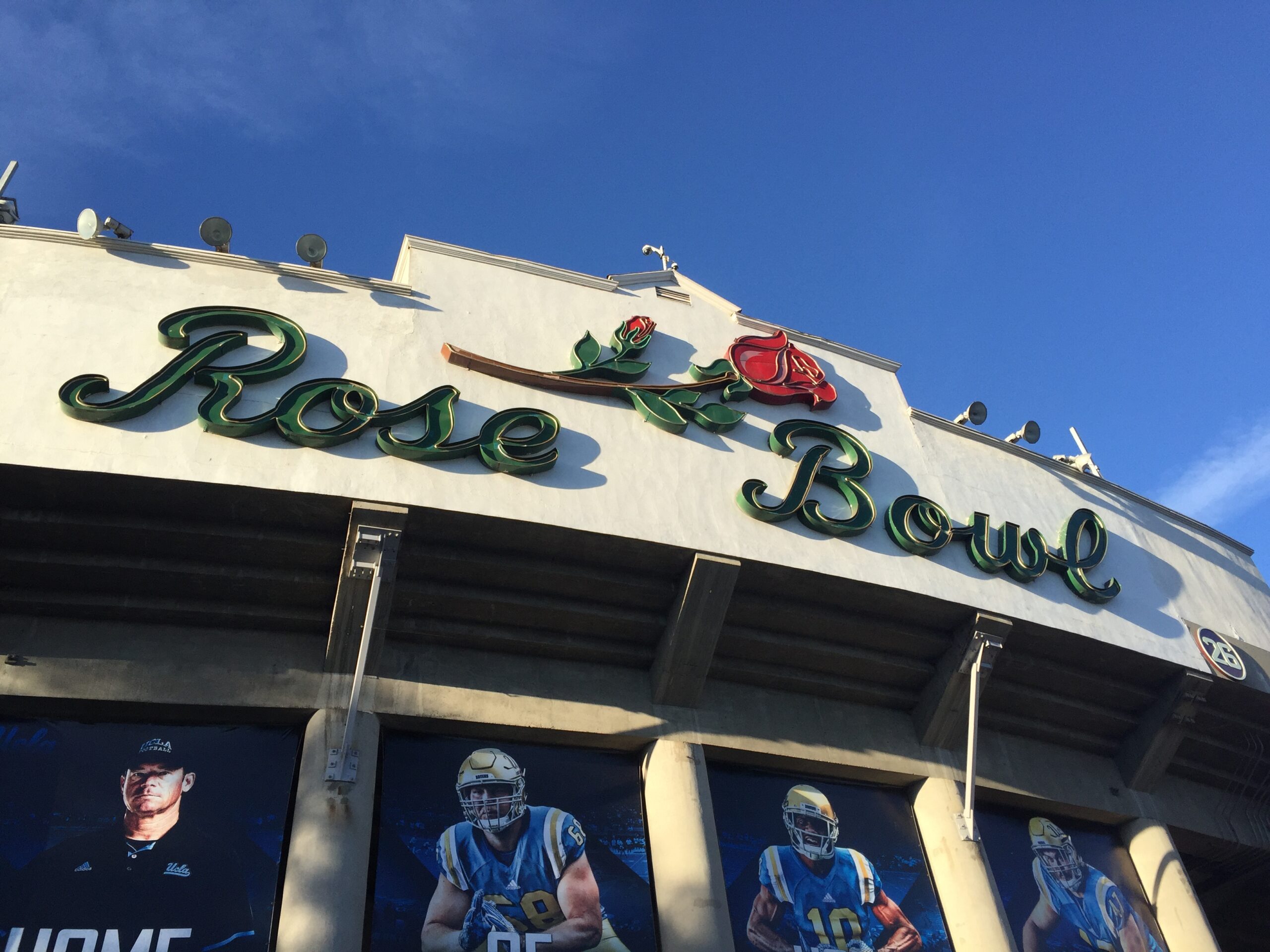
The Rose Bowl opened in 1922 and helped define what a major American stadium could look and feel like. Its place in college football is obvious — the annual Rose Bowl Game became a national New Year’s tradition — but the venue’s history stretches far beyond one sport.
The stadium has hosted multiple Super Bowls, Olympic competition and the 1994 men’s World Cup final, when Brazil defeated Italy. It also hosted major matches at the 1999 Women’s World Cup. That combination gives the Rose Bowl an unusually broad sporting résumé.
Its setting adds to the mystique. The San Gabriel Mountains, the Arroyo Seco and the simple bowl geometry create a visual identity that feels different from most modern enclosed stadiums. Even as newer venues surpass it technologically, the Rose Bowl remains a destination because history itself is part of the experience.
7. Santiago Bernabéu — Madrid, Spain
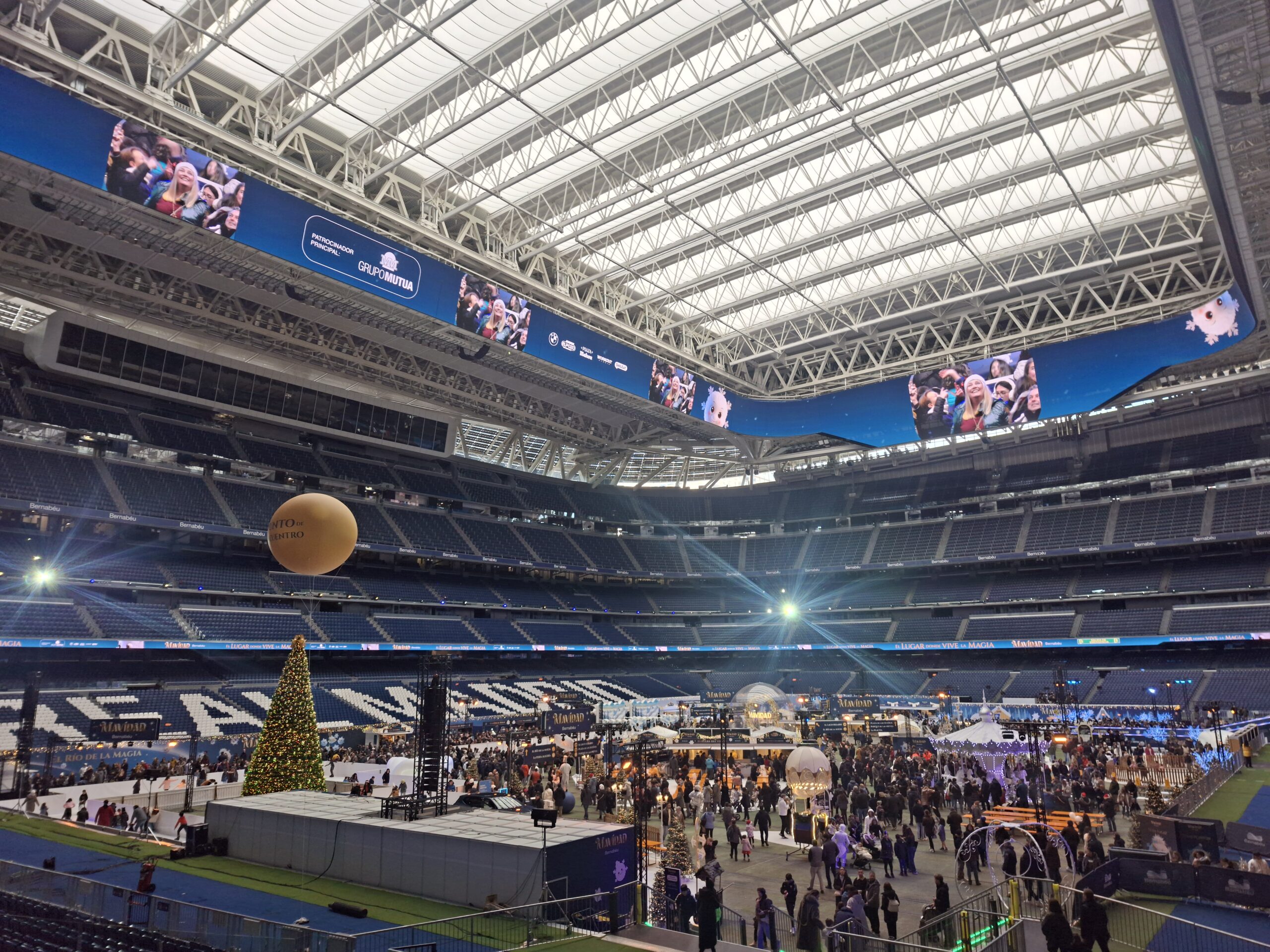
The Santiago Bernabéu opened in 1947 and became inseparable from Real Madrid’s rise into the world’s most decorated European club. European Cup and Champions League nights turned the stadium into one of football’s most intimidating and prestigious stages.
The venue’s current identity is especially interesting because it combines that history with one of the sport’s most ambitious stadium transformations. The modern Bernabéu features a dramatic metallic exterior, retractable roof and retractable playing surface, allowing the building to operate as a year-round entertainment venue without abandoning its football core.
That reinvention matters to this ranking. Iconic stadiums do not have to remain frozen in the era that made them famous. The Bernabéu shows how a historic venue can rebuild itself around modern economics and technology while keeping the name, location and emotional continuity that made it important in the first place.
8. Beijing National Stadium — Beijing, China
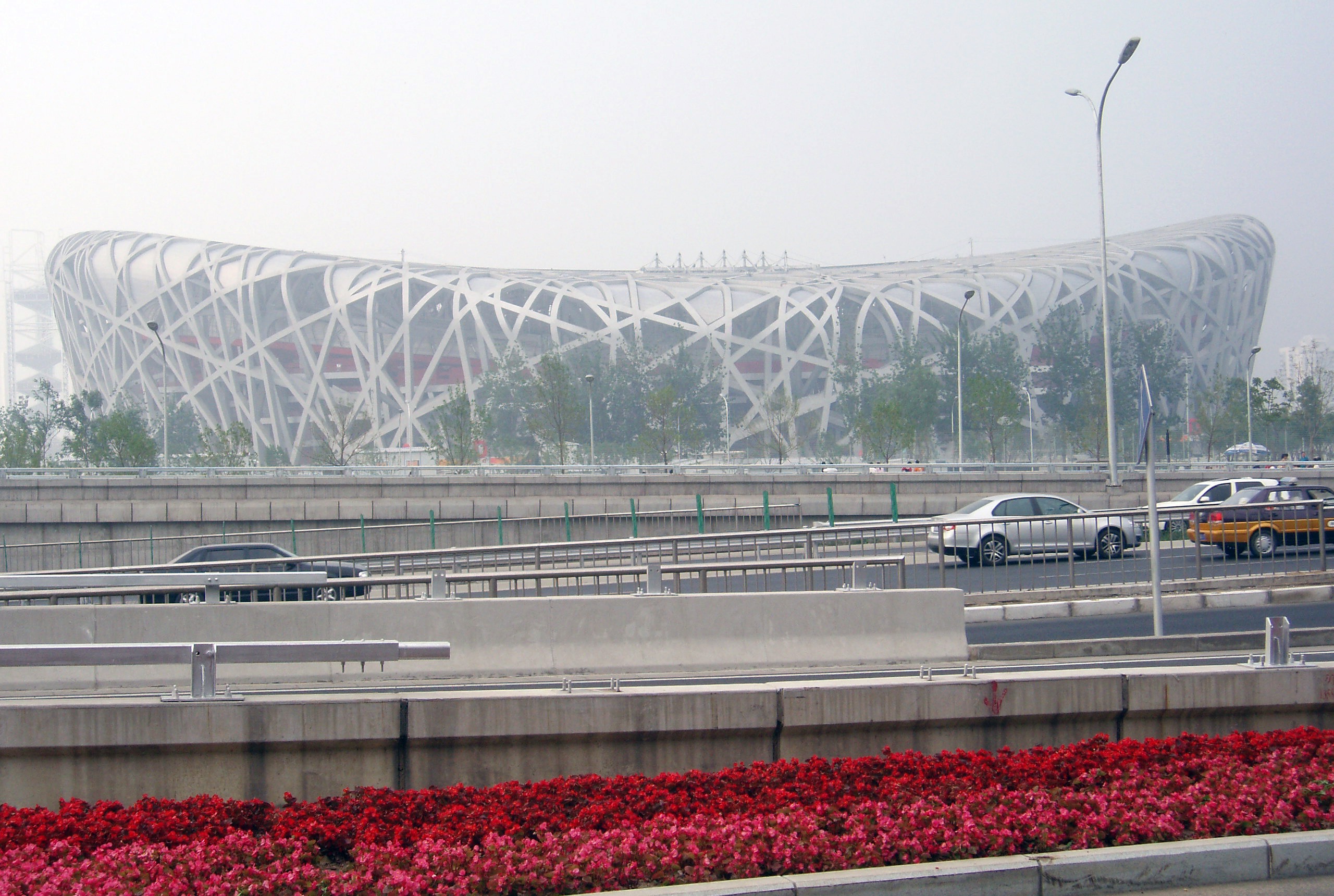
The Beijing National Stadium became iconic almost immediately. Designed for the 2008 Summer Olympics, the Bird’s Nest turned its exposed lattice of structural steel into one of the most recognizable silhouettes ever created for a sports venue.
Its importance grew again when Beijing hosted the 2022 Winter Olympics. The stadium became the only venue to stage opening and closing ceremonies for both a Summer and Winter Olympic Games, giving the building a place in Olympic history that goes beyond architecture alone.
The Bird’s Nest is a reminder that iconic status can arrive quickly when design and global event exposure converge. Many historic stadiums needed decades to build their mythology; Beijing’s National Stadium became a worldwide symbol in a matter of weeks.
9. FNB Stadium / Soccer City — Johannesburg, South Africa
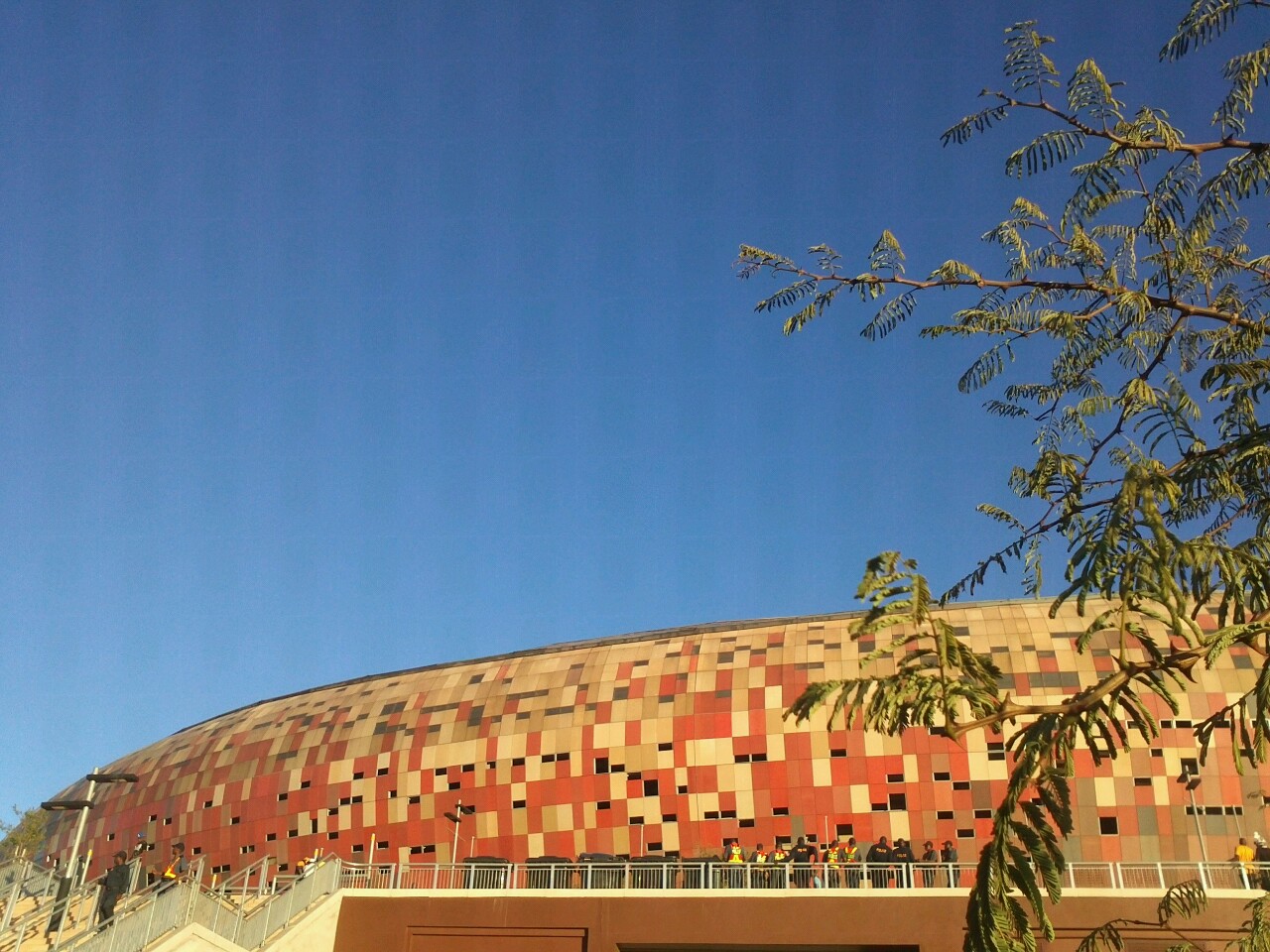
FNB Stadium’s place on this list is about sport, architecture and national history at the same time. The stadium’s calabash-inspired exterior became one of the defining images of the 2010 World Cup, the first men’s World Cup held in Africa.
It hosted both the opening match and the final of that tournament, including Spain’s extra-time victory over the Netherlands. But the venue’s importance extends beyond football. Nelson Mandela delivered his first major Johannesburg speech there after his release from prison in 1990, and his memorial service was held at the stadium in 2013.
That convergence of sport and history gives FNB Stadium a significance that raw attendance numbers cannot explain. It is one of the clearest examples of a stadium functioning as a civic and national gathering place as well as a sports arena.
10. Lambeau Field — Green Bay, Wisconsin
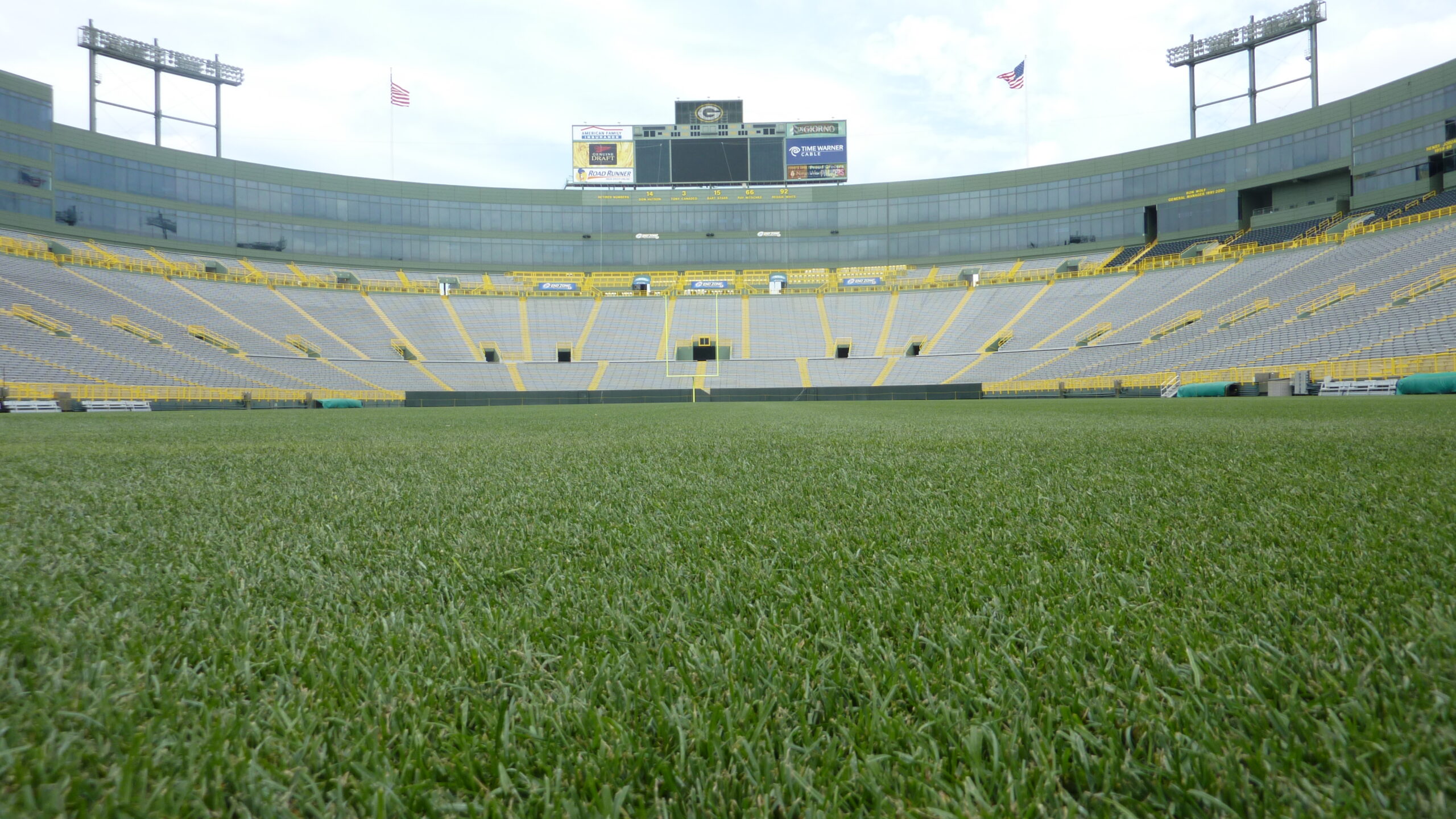
Lambeau Field does not have the international tournament résumé of Wembley or the Maracanã, but few stadiums anywhere are more tightly connected to a team’s identity. The Packers’ home opened in 1957 and was renamed for franchise co-founder Curly Lambeau in 1965.
Its most famous moments are wrapped in NFL mythology: Vince Lombardi’s championship teams, the Ice Bowl, frozen playoff games and the sight of more than 80,000 people filling a major-league stadium in a city of roughly 100,000 residents. The scale of the fan relationship is part of the architecture of the place.
Lambeau also represents continuity in an era when North American teams frequently abandon old stadiums for new ones. Instead, Green Bay has repeatedly expanded and modernized the same site. That makes Lambeau less like a disposable facility and more like a living shrine to professional football.
What makes a stadium truly iconic?
Iconic stadiums usually have at least three things working together. They host moments people remember, they possess a visual or cultural identity that fans can recognize instantly, and they remain relevant long enough for multiple generations to build stories around them.
That is why this ranking does not simply reward the biggest or newest buildings. A technologically advanced stadium can be spectacular without yet being iconic. Time, memory and meaningful events are what convert concrete and steel into a landmark.
Browse sports and outdoors book best sellers for histories, biographies, stadium stories and fan culture.
Frequently Asked Questions
What is the most iconic stadium in the world?
There is no objective answer, but SportsyVibe ranks Wembley Stadium No. 1 because the Wembley name has represented elite football for more than a century, surviving the demolition of the original building and the opening of the current stadium in 2007.
Is the world’s largest stadium automatically the most iconic?
No. Capacity is only one characteristic. Historic events, architecture, fan culture and worldwide recognition are more important for this ranking.
Why is the Maracanã so famous?
The Maracanã was built for the 1950 World Cup and became one of Brazil’s defining football stages. It has hosted two men’s World Cup finals, Olympic ceremonies, major club matches and many of the country’s most emotionally significant sporting moments.
Why is Estadio Azteca now called Mexico City Stadium in World Cup coverage?
FIFA used the neutral tournament name Mexico City Stadium during the 2026 World Cup. The historic venue is globally known as Estadio Azteca and also carries the Estadio Banorte commercial name following a naming-rights agreement.
Which stadium on this list is the oldest?
The Melbourne Cricket Ground has the deepest roots on this list, with the ground established in 1853. The modern stadium has been rebuilt and expanded many times, but the site has remained central to Australian sport for more than 170 years.
Final word
The greatest stadiums are not just containers for crowds. They become shorthand for entire eras: Wembley for English football, the Maracanã for Brazil, the MCG for Australian sport, Camp Nou and the Bernabéu for club football at its grandest, and the Rose Bowl and Lambeau Field for American sporting tradition.
The list will keep evolving. New stadiums will host major events, old venues will be rebuilt, and naming rights will change. But true iconic status is difficult to manufacture. It has to be earned through moments people remember.
Sources
- Wembley Stadium — Our Story
- Maracanã — History
- Melbourne Cricket Ground — About the MCG
- FC Barcelona — Spotify Camp Nou Phase 1C capacity update
- Espai Barça — future Spotify Camp Nou
- FIFA — Mexico City Stadium / Estadio Azteca history
- Rose Bowl Stadium — History
- Real Madrid — Santiago Bernabéu history
- Beijing government — National Stadium
- FNB — FNB Stadium
- Green Bay Packers — Lambeau Field history
Image credits & licensing
Featured image: Arne Müseler, London Wembley, CC BY-SA 3.0 via Wikimedia Commons. Wembley interior: EasternFront78, CC BY 4.0. Maracanã: Peter & Jackie Main, public domain. Melbourne Cricket Ground: Donaldytong, public domain. Camp Nou: Mutari, public domain. Estadio Azteca: ProtoplasmaKid, CC BY 4.0. Rose Bowl: Sydney.lorraine5, CC BY-SA 4.0. Santiago Bernabéu 2025 image: Badefa, CC0. Beijing National Stadium: Fanghong, CC BY-SA 3.0. FNB Stadium: Kabelo Serutle, CC BY-SA 4.0. Lambeau Field: JL1Row, CC BY-SA 3.0. Full license/source details are available on the corresponding Wikimedia Commons file pages.