Hey, just so you know, some of the links on this site are affiliate links. That means I may earn a small commission if you buy something through them. It doesn’t cost you anything extra, and it helps me keep this site running. Thanks for your support!
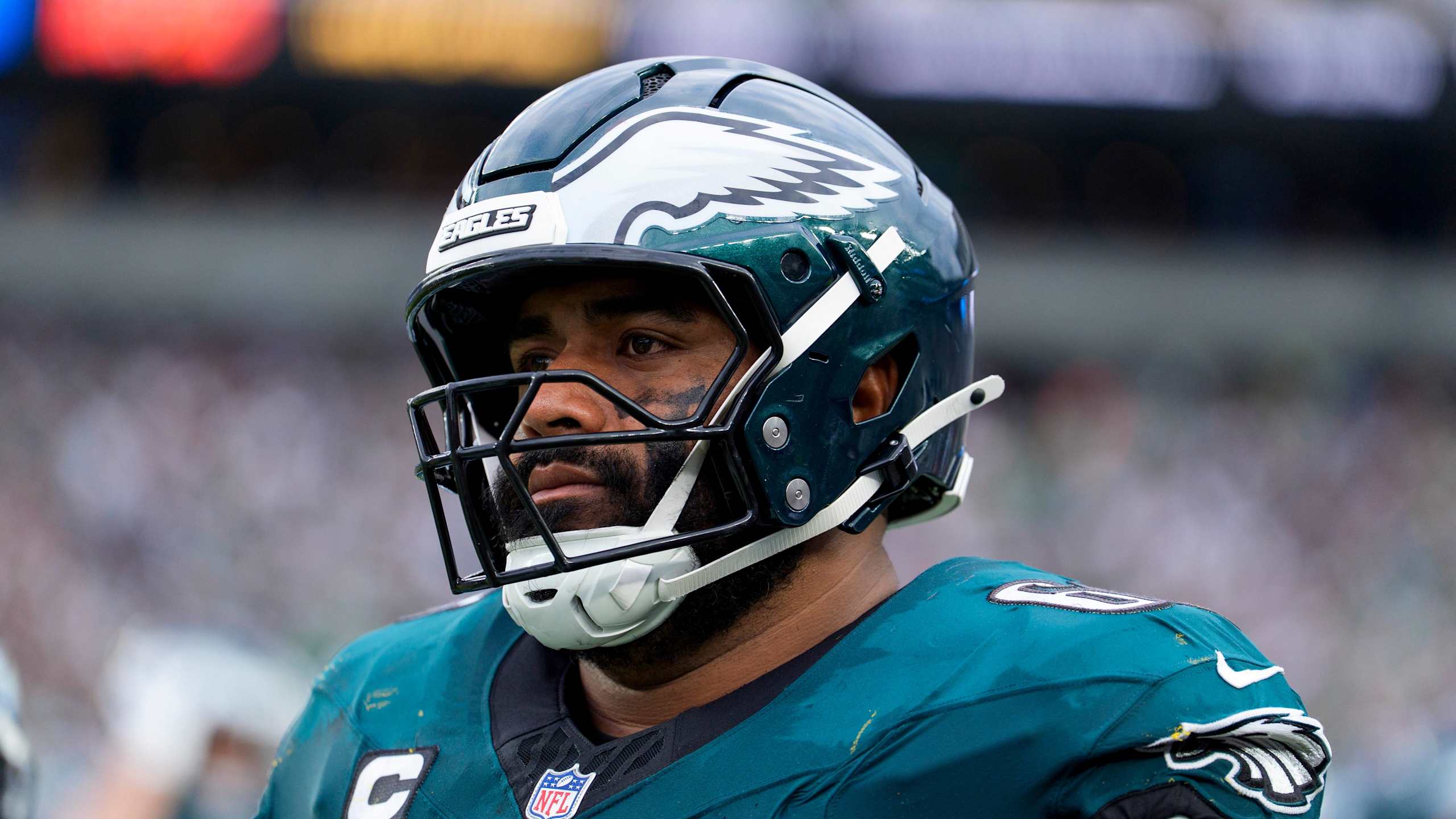
The Philadelphia Eagles left London with more than a last-second loss to Jacksonville: Jordan Mailata was the only Week 1 offensive-line starter still playing after Tyler Steen left with a shoulder injury. The rapidly rebuilt unit helped keep the game competitive, but Philadelphia managed only 22 rushing yards in the defeat.
How the line changed in one week
- Right tackle Lane Johnson retired on October 6.
- Philadelphia traded center/guard Cam Jurgens to Baltimore the next day.
- Landon Dickerson was already on injured reserve.
- Tyler Steen left the Jaguars game with a shoulder injury.
- Willie Lampkin and Jake Majors made their first NFL starts.
Why Mailata called it a “week from hell”
Mailata’s description captured the speed of the upheaval rather than a single bad result. The Eagles lost two accomplished linemen before traveling overseas, adjusted positions across the unit and then suffered another injury during the game.
Philadelphia still had a chance to win. Jacksonville prevailed on Cam Little’s 57-yard field goal as time expired, but the Eagles’ offensive limitations were visible well before the final kick. Running for only 22 yards made every passing situation more predictable.
The new line had almost no shared starting experience
Willie Lampkin and Jake Majors made their first career starts, while Markel Bell made only his second. Backup tackle Fred Johnson played out of position after Steen’s injury. Mailata became the stabilizing veteran on a group assembled under unusual time pressure.
| Player | Change affecting Week 5 |
|---|---|
| Lane Johnson | Retired October 6 |
| Cam Jurgens | Traded to Baltimore |
| Landon Dickerson | Already on injured reserve |
| Tyler Steen | Exited with shoulder injury |
| Willie Lampkin | First career start |
| Jake Majors | First career start |
| Markel Bell | Second career start |
The 22 rushing yards are the clearest warning
According to NFL Research, Philadelphia’s 22 rushing yards were its fewest since Week 7 of the 2015 season. The performance ended a 124-game streak in which the Eagles had gained at least 40 rushing yards.
Injuries at running back, including Saquon Barkley’s absence, are part of the explanation. They do not erase the line’s role. A replacement group has to coordinate combination blocks, protection calls and timing with little practice together. That burden grows when the offense cannot threaten a defense consistently on the ground.
What Philadelphia can reasonably fix first
The Eagles cannot recreate years of chemistry in one practice week. The immediate goal should be reducing the number of decisions the replacement unit has to make at full speed.
- Simplify protection: Fewer late adjustments can help inexperienced starters play faster.
- Create easier runs: Motion and formation variation can change defensive leverage without asking every blocker to win alone.
- Use quicker throws: The ball leaving earlier reduces exposure to long-developing pressure.
- Protect continuity: If Steen is available, keeping positions stable matters more than chasing the perfect five-man combination every series.
Why moral victories are not enough
Mailata praised the replacement linemen for continuing to compete through adversity, but he rejected the idea that effort alone made the result acceptable. That distinction is important. Philadelphia can recognize that first-time starters held up better than expected while still confronting an offense that failed to create balance.
The standard changes quickly in the NFL. Opponents now have game film showing how Jacksonville attacked the new lineup. Philadelphia’s next opponent can test communication with pressure packages and crowd the line until the Eagles prove they can run effectively.
The larger roster decision is still unfolding
Johnson’s retirement closed an era at right tackle, while the Jurgens trade exchanged present-day experience for future draft assets. Those were organizational choices, not random injuries. Philadelphia now has to develop a new line while trying to remain competitive.
For context on how teams balance current roster needs and future flexibility, read SportsyVibe’s salary-cap explainer. The London loss also illustrates why travel and venue context can affect preparation without deciding a game by itself.
Sources
- NFL.com, October 13, 2026 — Mailata remarks, rushing total and lineup changes.
- Philadelphia Eagles, October 11, 2026 — official pregame line context.
- Philadelphia Eagles game observations — official result and last-second field goal.
- Philadelphia Eagles, October 6, 2026 — official retirement announcement.
Quick questions
How many rushing yards did Philadelphia have?
The Eagles finished with 22 rushing yards.
Who was the remaining Week 1 line starter?
Left tackle Jordan Mailata.
Why was the offensive line so different?
Retirement, a trade and multiple injuries forced Philadelphia to use first-time and inexperienced starters across the unit.