Hey, just so you know, some of the links on this site are affiliate links. That means I may earn a small commission if you buy something through them. It doesn’t cost you anything extra, and it helps me keep this site running. Thanks for your support!
NASCAR and Formula 1 are both elite motorsports, but they solve racing in very different ways. NASCAR’s top Cup Series uses closed-wheel stock cars and a schedule built heavily around U.S. ovals, while Formula 1 uses open-wheel, purpose-built cars on road courses and street circuits around the world.
The better series depends on what kind of racing you enjoy, not which one is “more advanced.” Their cars and rules are designed for different competitions.
The cars look different because the jobs are different
NASCAR’s Next Gen Cup car is a closed-wheel race car with a standardized platform designed to support close competition among manufacturer-branded bodies. NASCAR introduced the Next Gen platform in 2022.
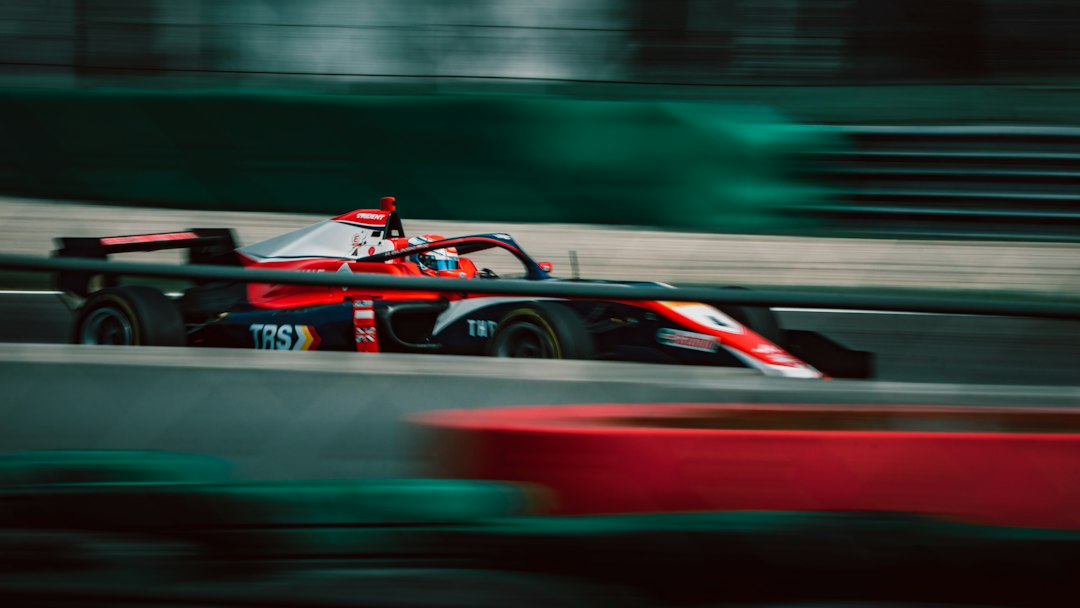
Formula 1 cars are open-wheel single-seaters built under detailed technical regulations. For 2026, F1 introduced a major rules reset with smaller cars, new aerodynamics, more electrical power in the hybrid system and advanced sustainable fuels.
2026 Formula 1 changed significantly
Formula1.com’s 2026 regulations guide explains several major changes:
- cars are shorter and narrower than the previous generation;
- minimum weight is lower;
- active aerodynamics use different straight and corner configurations;
- the power-unit formula puts much more emphasis on electrical energy;
- Overtake Mode replaces the old DRS-style passing aid.
That means older F1-vs-NASCAR comparisons can become stale quickly if they rely on pre-2026 technical descriptions.
NASCAR Cup cars emphasize robustness and close traffic
NASCAR’s Next Gen platform uses features including independent rear suspension, a flat underbody and a sequential five-speed transaxle. NASCAR’s own 2026 development coverage notes how different that platform is from older Cup cars.
The cars are built to race closely, absorb contact better than open-wheel cars and operate on a wide variety of circuits.
Track types
NASCAR’s schedule includes short ovals, intermediate ovals, superspeedways, road courses and other layouts. Oval racing puts enormous emphasis on drafting, tire management, traffic and restarts.
Formula 1 races on permanent road circuits and temporary street circuits. Corner sequences, braking zones, aerodynamic efficiency and tire strategy dominate the challenge.
Contact is treated differently
NASCAR cars are closed-wheel and some body contact is common, although deliberate or dangerous contact can still bring penalties.
F1 cars have exposed wheels and delicate aerodynamic surfaces. Wheel-to-wheel contact can immediately damage suspension, wings or tires, so drivers generally need much more precision around contact.
Passing and drafting
Drafting matters in both series, but the effect is especially central at NASCAR superspeedways where cars can race in large packs.
In F1, aerodynamic wake has historically made following difficult. The 2026 rules specifically changed aerodynamics to improve close racing and added new overtaking tools.
Pit stops
NASCAR pit crews change tires and add fuel during races. Track position, caution timing and fuel windows can completely reshape strategy.
F1 pit stops focus heavily on tires because mid-race refueling is not part of the standard modern race format. Tire compounds, undercuts, overcuts and safety-car timing are central strategic variables.
Championship structure
NASCAR Cup uses a playoff-based championship format after the regular season. Formula 1 awards season-long championship points across Grands Prix, with separate Drivers’ and Constructors’ Championships.
Quick comparison
| Feature | NASCAR Cup | Formula 1 |
|---|---|---|
| Car type | Closed-wheel stock-car platform | Open-wheel single-seater |
| Primary geography | United States | Global |
| Track mix | Ovals + road/street courses | Road + street circuits |
| Contact tolerance | Higher | Lower |
| Fuel during race | Yes | No standard race refueling |
Official references
Related: IndyCar vs Formula 1.
Bottom line
NASCAR rewards mastery of traffic, drafting, restarts and a diverse oval-heavy schedule. Formula 1 rewards extreme precision, aerodynamics, energy management and road-course speed. They are different engineering and sporting answers to the same basic question: who can complete the race distance fastest?