Hey, just so you know, some of the links on this site are affiliate links. That means I may earn a small commission if you buy something through them. It doesn’t cost you anything extra, and it helps me keep this site running. Thanks for your support!
MLB ballparks do not all play the same because baseball allows meaningful variation in outfield dimensions, wall geometry and local environment. Those differences can influence home runs, doubles, triples and overall run scoring.
The effect is real, but it should not be reduced to “small park equals hitter’s park.” Wall height, altitude, air density, foul territory, weather and field shape all interact.
Baseball is unusual because parks are not identical
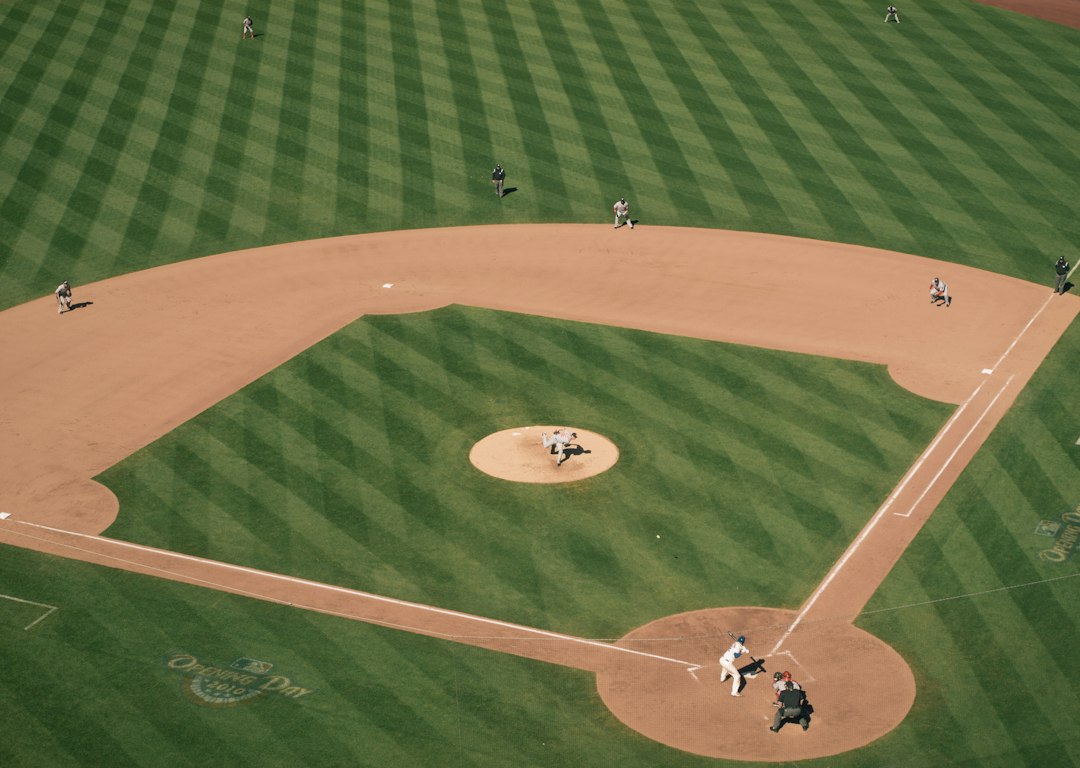
Basketball courts and hockey rinks are highly standardized. Baseball fields have standard base paths and mound distance, but outfield dimensions vary by venue.
That variation is part of the sport’s identity. A fly ball can be an out in one park and a home run in another.
Distance to the wall matters
Shorter fences can create more home-run opportunities in specific directions. But distance alone does not determine difficulty.
A deep alley can turn hard-hit balls into extra-base hits, while a shallow corner can reward pull power.
Wall height matters too
A short distance with a high wall can play differently from the same distance with a low wall. Fenway Park’s Green Monster is the classic example: the left-field wall is close compared with many parks but extremely tall, changing the shape of hits rather than simply making every fly ball a homer.
Altitude changes the flight of the ball
Coors Field is the most obvious example. Thinner air at altitude reduces drag, helping batted balls carry farther. The large outfield also creates room for balls to fall for hits.
Because environmental effects can be substantial, raw offensive numbers require park context.
Weather can matter
Temperature, wind and humidity can affect how the ball travels. Retractable roofs add another variable because some games occur in controlled conditions while others are exposed to weather.
One game’s weather should not be confused with the long-term identity of a park, but over a season these factors can contribute to run environment.
Foul territory and wall shape matter
Large foul territory can create more opportunities for defenders to record outs on popups. Unusual angles can create caroms that experienced home outfielders learn to play more efficiently.
That is part of what makes stadium familiarity useful without turning it into a guaranteed home advantage.
What is park factor?
MLB defines ballpark factor as a comparison between scoring in a team’s home park and scoring in that team’s road games, with adjustments sometimes used for opponent imbalance.
A park factor above neutral suggests the venue increased the statistic being measured; below neutral suggests suppression.
Park factor can apply to more than runs
Analysts can calculate factors for:
- runs;
- home runs;
- doubles;
- triples;
- other offensive outcomes.
That helps distinguish a park that boosts home runs from one that simply increases total scoring in a different way.
Why player statistics need park context
A hitter who spends half his games in a favorable offensive environment can post stronger raw totals than a similar hitter in a difficult park. Adjusted statistics such as OPS+ attempt to account for league and park context.
That does not mean the raw numbers are fake. It means environment is part of interpretation.
Do teams build rosters for their parks?
Yes, teams can consider park fit when evaluating defense and offense. A large outfield may reward range. A short porch may make certain swing profiles more attractive.
But roster decisions have to work on the road too, so ballpark fit is one factor among many.
MLB reference
See MLB’s Ballpark Factor glossary for the league’s explanation of the concept.
For venue-focused reading, visit SportsyVibe’s Stadiums & Arenas coverage.
Bottom line
MLB ballparks play differently because baseball combines variable dimensions with local environmental conditions. The right way to evaluate the effect is with long-term park data, not one memorable home run or one unusually windy game.