Hey, just so you know, some of the links on this site are affiliate links. That means I may earn a small commission if you buy something through them. It doesn’t cost you anything extra, and it helps me keep this site running. Thanks for your support!
Milwaukee is one win from the World Series because a game that seemed to be bending back toward Los Angeles turned on one stubborn plate appearance. The Brewers beat the Dodgers 6-2 in NLCS Game 3 on Wednesday night, taking a 3-0 lead in the best-of-seven series. The score matters. The way Milwaukee produced it matters more.
Jake Bauers saw 11 pitches from Blake Snell in the seventh inning, fouled off three straight with two strikes, then drove the final fastball into the right-field pavilion for a two-run homer. Garrett Mitchell followed with another home run. In two batters, a 2-1 Dodgers lead became a 4-2 Brewers advantage, and the shape of the series changed with it.
| Final | Brewers 6, Dodgers 2 |
|---|---|
| Series | Milwaukee leads 3-0 |
| Turning point | Jake Bauers’ 11-pitch, two-run homer in the seventh |
| Early tone-setter | Jackson Chourio homered on the first pitch |
| Milwaukee starter | Robert Gasser: 5 scoreless innings, 3 hits |
The at-bat was more than the home run
Bauers’ homer will live in the highlight package, but the leverage was built pitch by pitch. Los Angeles had just taken its first lead in the bottom of the sixth on Will Smith’s two-run double. Snell had recovered from Chourio’s first-pitch homer and, according to MLB’s official recap, retired 14 consecutive hitters at one point. The Dodgers finally had momentum, a one-run lead and their ace still working.
That is why an 11-pitch plate appearance carried more weight than a routine go-ahead swing. Bauers forced Snell to keep showing him pitches after the left-hander had spent most of the night dictating the terms. Each foul ball extended the confrontation and narrowed the margin for error. When the fastball finally leaked over too much of the plate, Bauers was ready to turn the accumulated information into damage.
The sequence also echoed Bauers’ 12-pitch battle with Yoshinobu Yamamoto in Game 2. That does not make long at-bats automatically predictive, but it does reveal the Brewers’ best version of postseason offense: refuse the easy out, lengthen the inning and make elite pitching execute one more time than it wants to.
Chourio’s first pitch and Gasser’s five innings created the platform
The seventh-inning eruption was possible because Milwaukee had kept the game within one swing. Chourio attacked Snell’s first pitch for a solo homer, becoming the sixth hitter since pitch tracking became complete in 1988 to homer on the opening pitch of a postseason game. It was not empty aggression. It gave a road team an immediate lead and kept Dodger Stadium from settling into the night.
Robert Gasser handled the other half of that assignment. He worked five scoreless innings and allowed three hits, denying Los Angeles the kind of early crooked number that could have turned Snell’s middle-inning run into control of the game. When the Dodgers finally broke through, DL Hall stranded the remaining runners and limited the damage to Smith’s double.
Milwaukee’s formula was not domination from first pitch to last. It was containment. The starter supplied clean innings, the bullpen prevented a wobble from becoming a collapse, and the offense answered immediately. That combination has made the Brewers difficult to separate from games even when an opponent’s best pitcher is rolling.
Why Mitchell’s next swing was nearly as important
Back-to-back postseason home runs do two jobs at once. Bauers’ blast flipped the score; Mitchell’s removed the Dodgers’ ability to treat it as a single mistake. Instead of trailing by one with six outs to work with, Los Angeles was suddenly down two and staring at a bullpen that had already survived the sixth.
That second swing also changed Milwaukee’s late-inning decisions. A two-run cushion permits a manager to attack matchups instead of managing every base runner as the tying run. The Brewers added two more runs later, but Mitchell’s homer was the moment the rally became structural rather than temporary.
What a 3-0 lead actually means
The Dodgers are not mathematically finished, but history gives them almost no room. MLB notes that 42 teams have trailed 3-0 in a best-of-seven postseason series. Only the 2004 Red Sox completed the comeback; the 2020 Astros were the only other club to force a Game 7. Thirty-two of those 42 teams were swept.
Milwaukee still has to close. A year after being swept by Los Angeles in the same round, the Brewers know better than to treat a commanding lead as a trophy. Game 4 is expected to be a bullpen game for Milwaukee, which introduces uncertainty and makes the first trip through the Dodgers’ order especially important.
For Los Angeles, the path is brutally simple: win one game before thinking about four. The Dodgers need traffic against Milwaukee’s first wave of relievers, cleaner execution at the bottom of the order and a way to prevent the Brewers from extending plate appearances into the bullpen’s soft spots.
The SportsyVibe read
This was not merely another example of “timely hitting.” Bauers changed the game by refusing to let Snell end the at-bat on the pitcher’s terms. Chourio supplied immediate pressure, Gasser protected it, and Mitchell converted a one-swing lead into breathing room. Milwaukee’s October identity is now visible: keep the score close, make every plate appearance expensive, then punish the first mistake.
For more postseason context, revisit our Rays–Guardians ALCS Game 2 analysis or browse the MLB and baseball desk.
Sources and image credit
- MLB.com official Game 3 recap, accessed October 15, 2026.
- Reuters game report, October 15, 2026.
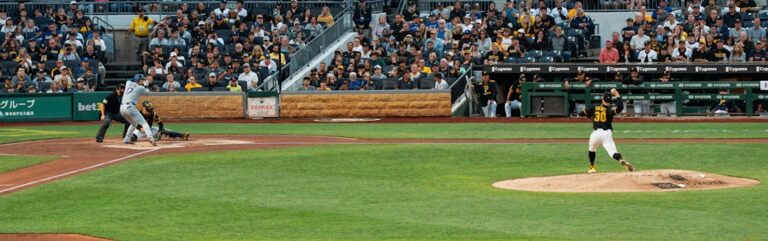
- Featured archive photo: Jake Bauers in 2021, Erik Drost/Wikimedia Commons, CC BY 2.0. It does not depict NLCS Game 3.
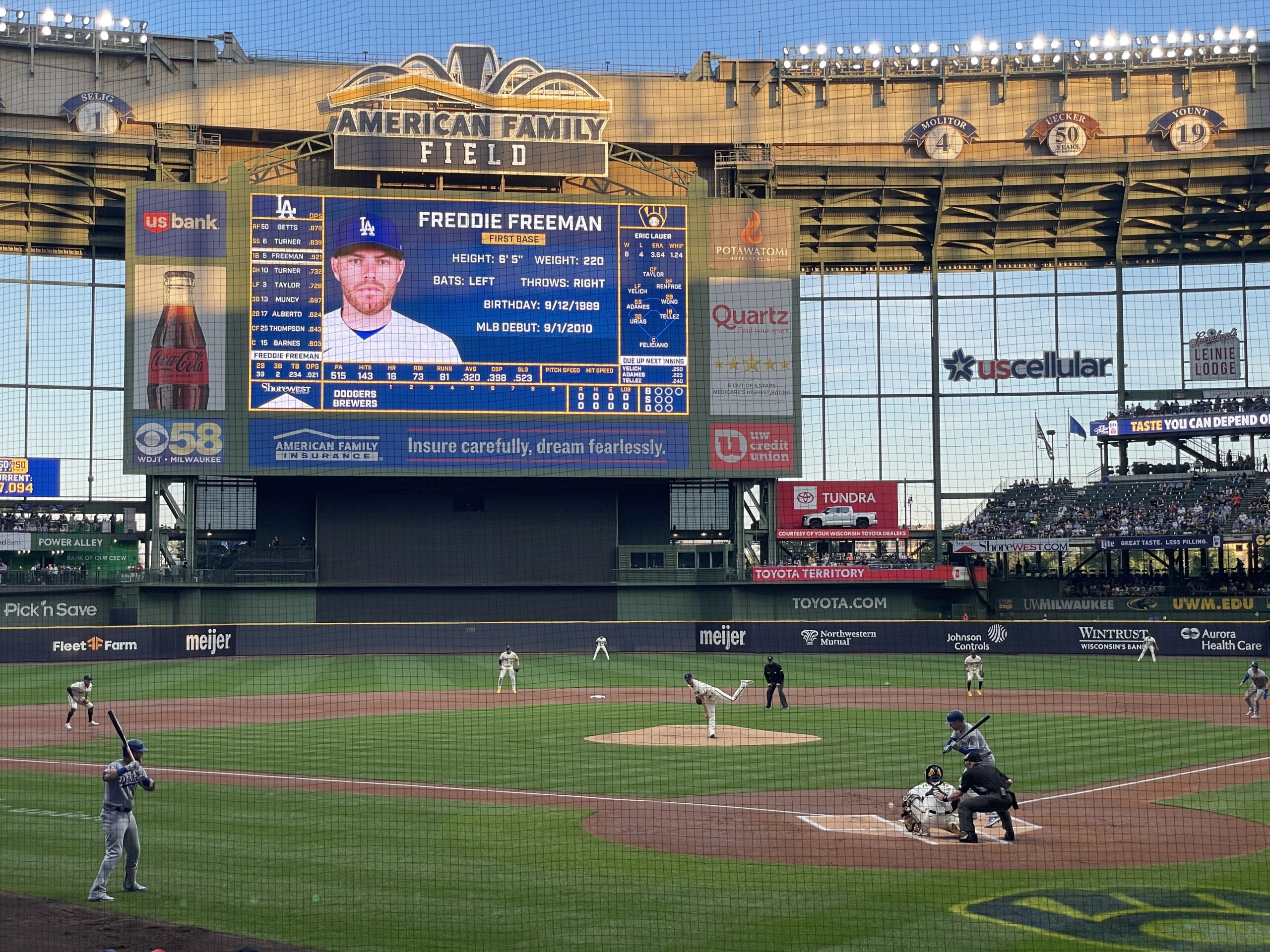
- In-body archive photo: SidewalkMD/Wikimedia Commons, CC BY-SA 4.0.